
Xpeng Sets Sights On Outselling Ford In Europe By 2030
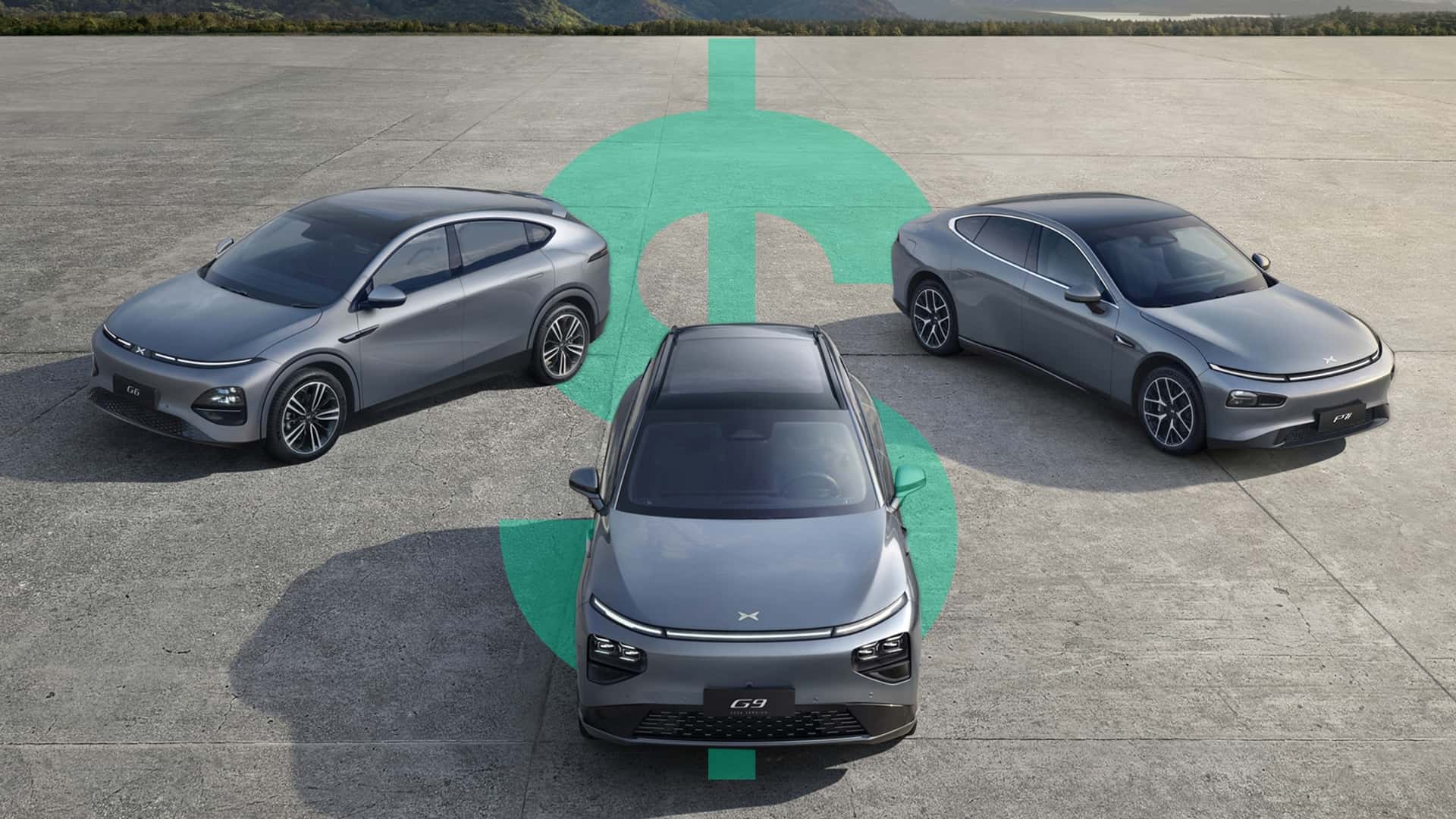
Xpeng has laid out an ambitious long-term vision for Europe, and if the plan works, the Chinese automaker could find itself ahead of a century-old American rival on the continent. CEO He Xiaopeng told Bloomberg this week that the company intends to reach one million global deliveries by 2030, with roughly half of that volume expected to come from European buyers. That would mean around 500,000 cars sold in Europe alone — a target that, for context, sits just above the 426,000 vehicles Ford moved across the region last year.
The scale of the challenge is hard to overstate. Xpeng has delivered roughly 60,000 cars in Europe since 2020, so hitting half a million would require a dramatic acceleration in a relatively short window. Ford, by contrast, has been building and selling cars in Europe for more than 115 years, having opened its first European manufacturing site over a century ago. Still, the American brand’s European footprint has been shrinking — it was selling around one million units annually about a decade ago, making it a moving target rather than an immovable one.
Manufacturing is emerging as the central puzzle piece. Xpeng does not yet operate its own European factory, and new EU rules requiring a minimum level of local content in EVs sold across the bloc have pushed Chinese automakers to localize production quickly. Xpeng’s answer has been a contract manufacturing arrangement with Magna to build several of its models in Austria. But according to vice president Yeqing Zheng, who spoke with Reuters, that arrangement will not be enough — Magna’s output “is not even sufficient” to support the company’s sales ambitions, and Xpeng plans to expand its European manufacturing presence further.
Xpeng’s confidence rests partly on the broader momentum of Chinese EVs in Europe, which have gained traction quickly on the back of generous technology features and competitive pricing. The company’s global baseline is also solid: it delivered just under 430,000 vehicles worldwide last year, meaning the 2030 goal represents a little more than a doubling of total volume. Whether European buyers will embrace an unfamiliar badge at the pace Xpeng envisions remains the open question — but the automaker is clearly betting that local production and aggressive pricing can close the gap.
What do you think?