
Tesla Revives Cold-Gas Thruster Concept for Next-Gen Roadster
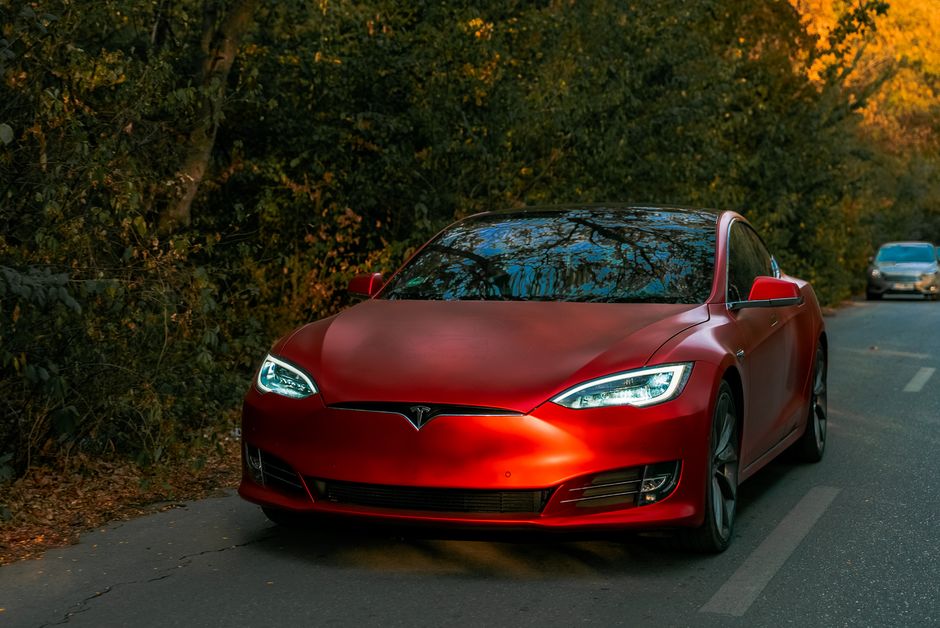
Tesla is reportedly dusting off a 50-year-old engineering trick to give its long-delayed Roadster a signature party piece. According to a report, the company plans to use cold-gas thrusters — essentially compressed-air jets — to make the sports car perform mid-air maneuvers, including the ability to hover or spin while airborne. The same basic technology was used in the 1970s to help stunt drivers perform mid-air spins in film and television productions, and it has since appeared in niche aerospace and entertainment applications.
Cold-gas thrusters work by releasing pressurized gas through small nozzles to generate a brief, controllable burst of thrust. They are simple, lightweight, and require no combustion, which makes them attractive for short-duration effects. In a car, such a system could theoretically push the nose up or down, rotate the vehicle around its vertical axis, or momentarily lift a wheel or the entire chassis. The approach is less about sustained flight and more about creating a visually striking stunt-like capability that no conventional sports car can match.
The Roadster has been a perennial source of speculation since Tesla first promised a next-generation model years ago. Originally intended to arrive with record-breaking acceleration and a 1,000-kilometer range, the car has repeatedly slipped in timing. Musk has hinted at rockets and thrusters before, and the latest report suggests the idea is still alive, though details remain scarce. Tesla has not announced a production date, pricing, or final specifications for the vehicle.
For Tesla, the Roadster serves as a halo product meant to draw attention to the brand’s engineering ambitions. But adding a cold-gas system raises questions about regulatory approval, safety, and real-world usefulness. Road cars must comply with strict crash and pedestrian-safety standards, and any system that alters a car’s trajectory in the air would face scrutiny. It is also unclear how such a feature would work on public roads, where hovering or spinning mid-air is not a legal or practical driving mode. Observers note that Tesla has a history of announcing features that arrive late or never materialize.
If the Roadster does reach production with thrusters, it would be less a technological necessity than a marketing spectacle — a way to make an electric supercar stand out in an increasingly crowded high-performance EV market. For now, the compressed-gas concept remains an unconfirmed plan attached to a car that has yet to be built. Tesla enthusiasts and skeptics alike will be watching to see whether this 50-year-old stunt trick becomes a modern production reality or stays in the realm of prototype promises.
What do you think?