
Tesla Roadster Debut Lands in a Storm of Musk Controversy
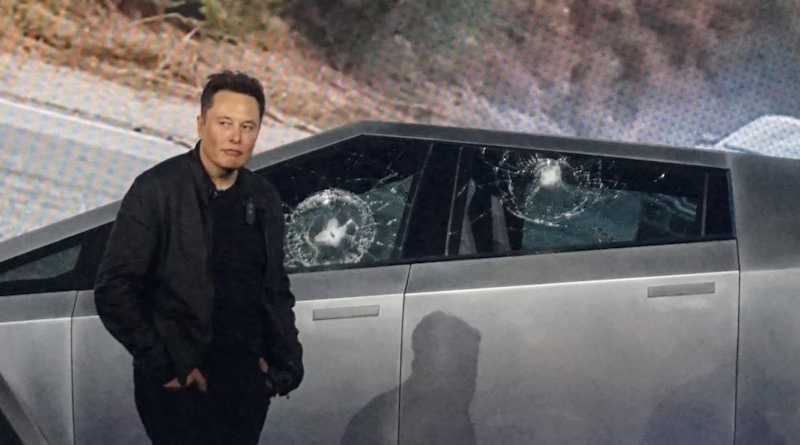
Tesla rolled out a relaunched Roadster on October 15, reviving the two-seater that first put the company on the map two decades ago. According to reporting, the new version carries a price tag around $200,000, positioning it once again as a high-end showcase rather than a mass-market product. Company CEO Elon Musk has long been likened to a real-life version of Marvel’s Tony Stark, and the event was framed as his own “Howard Stark moment” — a reference to the fictional inventor who promised a flying car at a 1943 exposition.
Whether the new Roadster actually flies remains an open question, and observers have been skeptical. The broader flying-car field has moved forward on its own, with VTOL aircraft and the Airspeeder racing series — founded in 2018 by Australian entrepreneur Matt Pearson alongside VTOL developer Alauda Aeronautics — promoting electric flying machines that mimic cars in appearance. Pearson has said the racing format is meant to speed up adoption and development of the technology.
The launch also arrives amid heavy scrutiny of Musk himself. Reporting points to his brief tenure leading the so-called DOGE budget-cutting office, installed by President Donald Trump in early 2025 and reportedly concluded by that May, along with the dismantling of USAID. That agency had funded global health and anti-poverty work; public health professionals cited in coverage estimate that as many as 14 million people could die prematurely by 2030 as a result of its elimination. Coverage has also touched on the Starlink situation in Ukraine, where Reuters reported that the White House gave an order that left Ukrainian citizens exposed to Russian attacks.
Against that backdrop, the question of why Tesla chose this moment to spotlight the Roadster has drawn attention. When the original Roadster appeared in 2006, it served as a $100,000 proof point for battery-powered mobility, aimed at enthusiasts and paving the way for a 2009 US Department of Energy loan guarantee that Tesla later repaid in full. Today, electric mobility is firmly established in most major global markets, and even Saudi Arabia now offers homegrown EVs to affluent buyers.
In the US, affordability and the widening gap between the super-rich and everyone else rank among voters’ top concerns as the 2026 midterm cycle intensifies ahead of Election Day on November 3. With Musk’s personal brand more tightly bound than ever to Trump, the timing of a high-priced flagship debut has raised eyebrows — and left the central question lingering: why the Roadster, and why now?
What do you think?