
Tesla's Robotaxi Rollout Faces Third Federal Inquiry in Five Weeks as School Zone Petition Lands
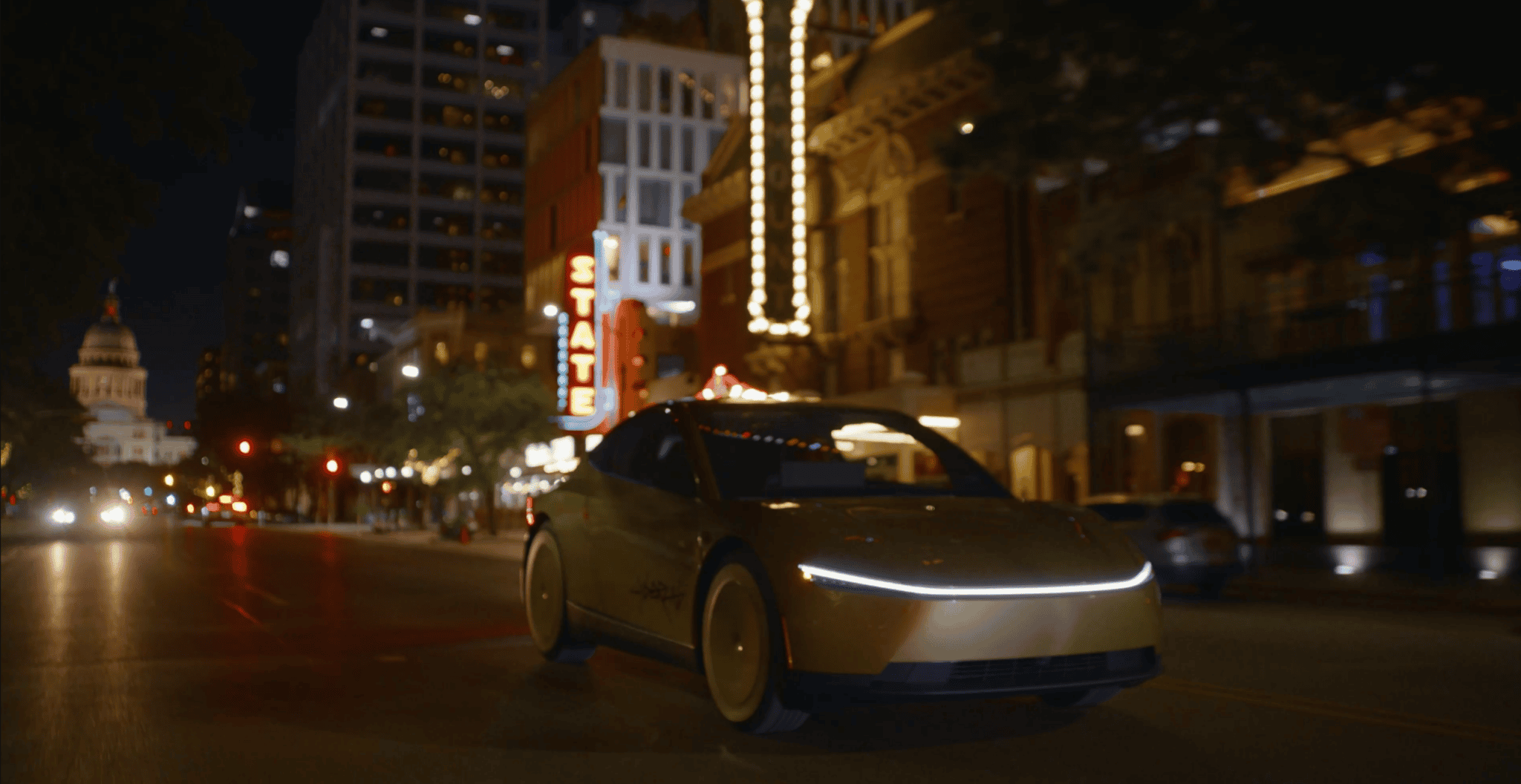
Tesla’s autonomous fleet has drawn another round of scrutiny from US safety regulators, with a newly filed petition prompting the National Highway Traffic Safety Administration to consider a formal defect investigation into whether driverless robotaxis are speeding through active school zones. The complaint, initially submitted on 23 September and formally opened by NHTSA’s Office of Defects Investigation on 9 October, represents the third federal action targeting Tesla’s self-driving operations in little more than a month.
The scope of the petition is notable not only for its safety implications but for what it reveals about the size of Tesla’s robotaxi program. The filing covers an estimated 1,000 Model Y and Cybercab vehicles operating with Tesla’s Automated Driving System engaged, encompassing 2026 model year units that are presumably either already deployed or awaiting rollout. This figure offers the first official glimpse into the fleet’s scale, since Tesla has consistently declined to publish robotaxi numbers. Independent trackers had counted only a few dozen active vehicles as recently as June, while Tesla claimed on 10 October that over 300 Cybercabs were operating in Austin — an eightfold jump in a single month. However, observers have pointed out that only a small portion of those vehicles appear to be active at any given time, with early deployments in Dallas, Houston and Miami amounting to just a handful of cars. NHTSA’s estimate may reflect the total number of vehicles certified with Texas authorities rather than those actively in service.
The evidentiary basis for the probe is relatively thin, resting on three social media videos and four incidents recorded in NHTSA’s tally — none of which involved a crash or injury. The agency has 120 days from receipt of the petition to either grant or deny it, setting a decision deadline around 21 January. The petition lands alongside two other open federal matters: NHTSA is separately examining how Tesla self-certified the Cybercab without a steering wheel or pedals, with Tesla’s responses to the agency’s 21 questions now due 30 October following a 30-day extension. Abroad, German regulators have compelled the company to rebrand its Full Self-Driving feature as ‘Tesla Assisted Driving’ across Europe, mirroring similar actions taken in China.
Speed compliance has been a persistent theme in Tesla’s self-driving narrative. Robotaxis were observed exceeding limits from the Austin launch in June 2025, and NHTSA opened an investigation into FSD over traffic violations last October. The situation echoes challenges faced by Waymo, which issued a voluntary software recall covering more than 3,000 vehicles in December 2025 after an Austin school district reported its vehicles illegally passing stopped school buses roughly 20 times. While four non-injury incidents would rarely warrant a recall on their own, school zone speed compliance represents a design choice rather than a marginal edge case — and one with particular salience given Waymo’s recent experience. With no human driver to absorb blame, Tesla now faces direct questions about whether its software respects posted limits. A voluntary over-the-air remedy before the January deadline likely represents the company’s most economical path forward, though Waymo’s precedent suggests that recalls tend to buy compliance rather than resolution.
What do you think?