
Autonomous Mobility This Week: Robotaxi Sign-Ups, Self-Driving Freight and a Regulatory First for Trucks
The autonomous driving sector moved on several fronts at once this week, with developments spanning robotaxi commercialization in China, freight operations in the United States and a regulatory adjustment that could simplify how self-driving trucks signal their presence on public roads.
In China, Xpeng has opened public sign-ups for its Xpeng Yoyo robotaxi service, a step that moves the company’s autonomous ride-hailing ambitions from internal testing toward wider public access. The sign-up phase suggests Xpeng is preparing to scale the service beyond controlled trials, although the company has not disclosed how many riders it intends to serve or which cities will be included first.
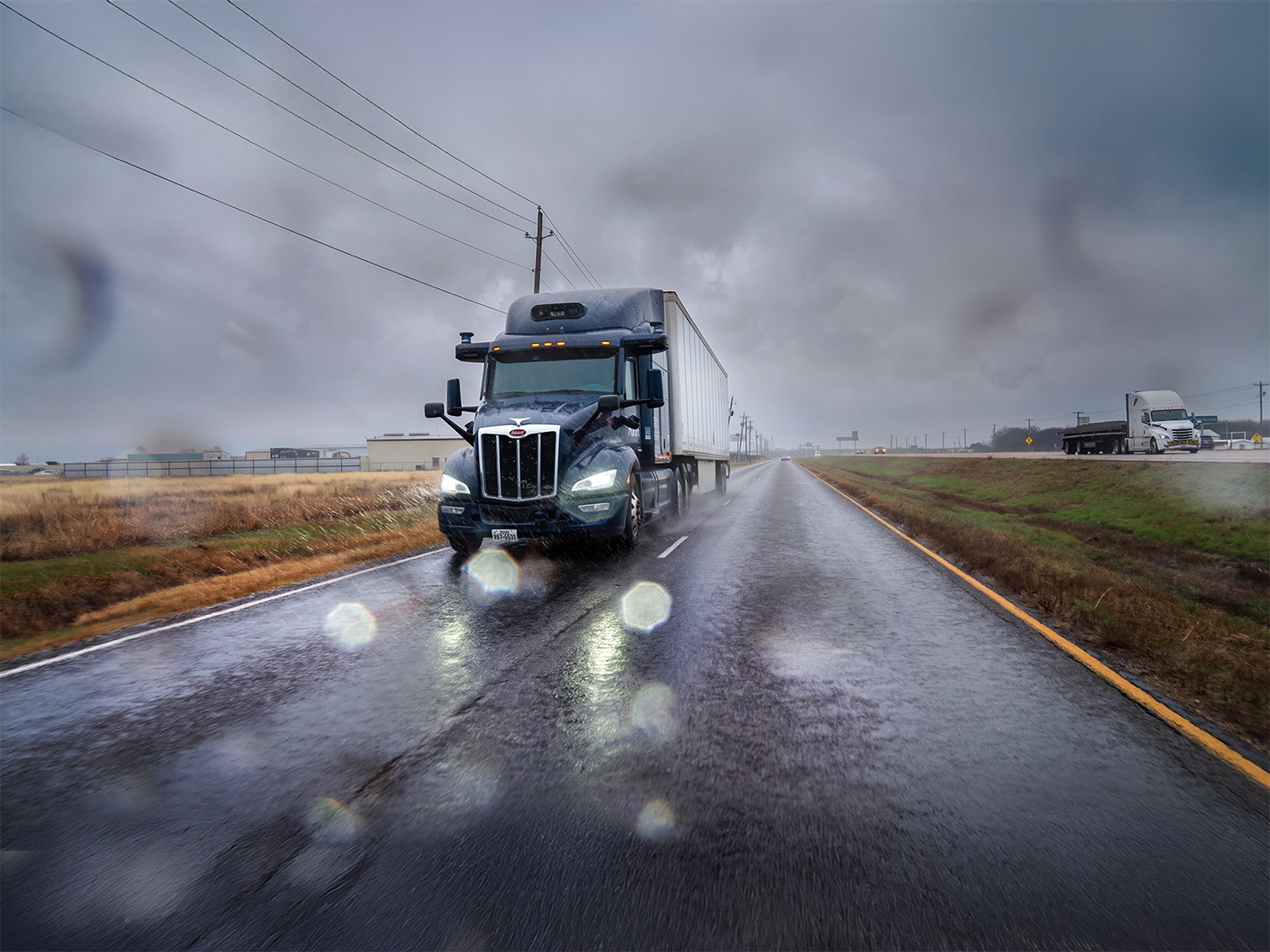
US regulators drew attention on the commercial vehicle side by granting autonomous trucks a five-year exemption that allows them to use cab-mounted warning beacons rather than the reflective triangles traditionally required for stopped or slow-moving heavy vehicles. The exemption reflects a practical reality of driverless trucking design: with no human on board to step out and place triangles on the roadside, warning systems must be built into the vehicle itself. A five-year window gives operators room to test the approach while regulators gather data.
On the freight side, Volvo Autonomous Solutions and Waabi have kicked off their first customer freight operations in Texas, working with logistics platform Warp. Texas has emerged as a frequent early proving ground for autonomous trucking, thanks to its long highway corridors and comparatively permissive testing environment. The involvement of an established logistics platform signals that autonomous hauling is being folded into real commercial supply chains rather than stand-alone technology demonstrations.
Passenger-car automation also advanced this week. Stellantis and Wayve have demonstrated supervised hands-free driving on Fiat and Maserati development vehicles, with a North American launch targeted for 2028. The pairing of a volume brand and a premium marque in the same development program hints at how the technology could be deployed across different price tiers and customer expectations.
Taken together, the week’s news points to an industry moving past proof-of-concept. Robotaxi services are courting the public, freight operators are running customer loads, and automakers are locking in timelines for hands-free driving. What remains unresolved is the regulatory and liability framework that will determine how quickly each of these programs can expand beyond their current launch markets.
What do you think?