
Tesla's New Roadster Has A Roof Problem: It Isn't Really a Roadster
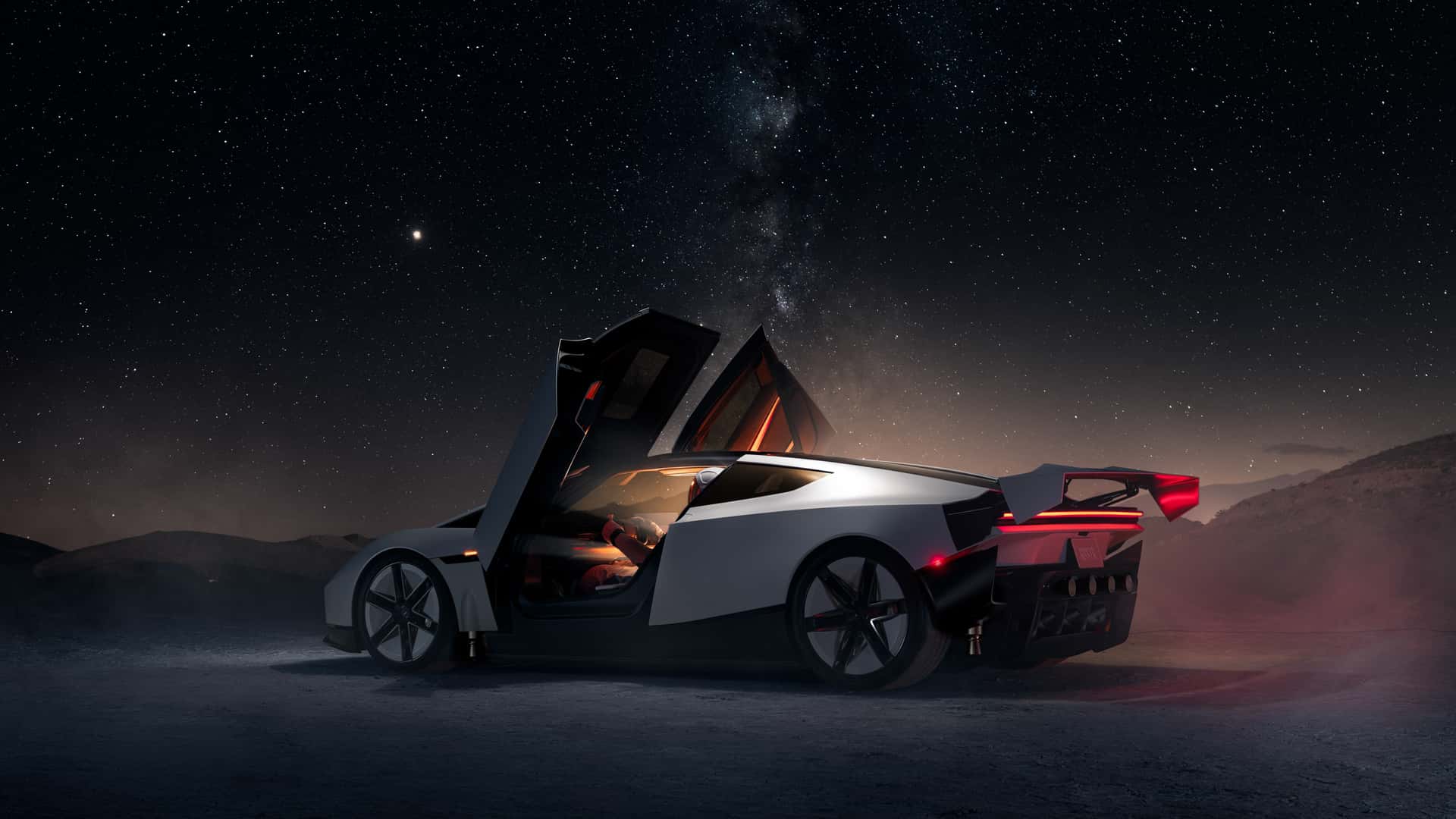
Tesla has finally pulled the wraps off a new Roadster, and the machine it showed is a very different beast from the original car that made the company’s name back in the late 2000s — or from the prototype that surfaced in 2017. The headline claims were characteristically bold: sub-one-second 0-60 mph runs, fans that suck the car onto the road, cold-gas thrusters that could let it hop over other vehicles and even perform barrel rolls mid-air. Production, Tesla says, is targeted for 2028.
But there’s a naming issue worth chewing on. The first-generation Roadster earned its badge honestly: whether you opted for the soft top or the hard top, the roof came off, and owners got a proper open-air experience, even if they had to do the swapping by hand. The new car, according to Tesla, doesn’t offer a removable roof at all. The culprit is the butterfly door layout, which slices into the roof structure and leaves precious little material across the middle of the cabin.
Not everything is lost, though. Design chief Franz von Holzhausen confirmed that the glass panels in the upper section of the doors can be taken out, effectively turning the car into a split-roof T-top arrangement in the spirit of the 1968 Chevrolet Corvette Stingray. That’s a far cry from a conventional convertible. Storage is another question mark: with no obvious trunk and a large air tank sitting behind the passenger compartment, it’s unclear where those removable panels would go.
The gap between the original and this car is really a story about how Tesla’s ambitions have shifted. The 2000s Roadster was a lightweight, Lotus-derived two-seater with a modest battery and a simple folding roof. The new one is being pitched as a physics-defying halo product packed with active aerodynamics and rocket-inspired hardware — a showpiece rather than a traditional sports car in the classic sense.
A lot can happen between now and 2028, and Tesla has a well-documented habit of announcing spectacular features that arrive late, changed, or not at all. The design could still evolve into something closer to a true convertible, or some of the wilder promises could quietly disappear. For now, though, the company insists the car will roll off the line in Texas without major alterations. Buyers will simply have to wait and see how much of the show car survives the trip to production.
What do you think?