
Tesla Roadster's Rocket Boosters Deliver Seconds of Thrill, But Recharging Them Takes Hours
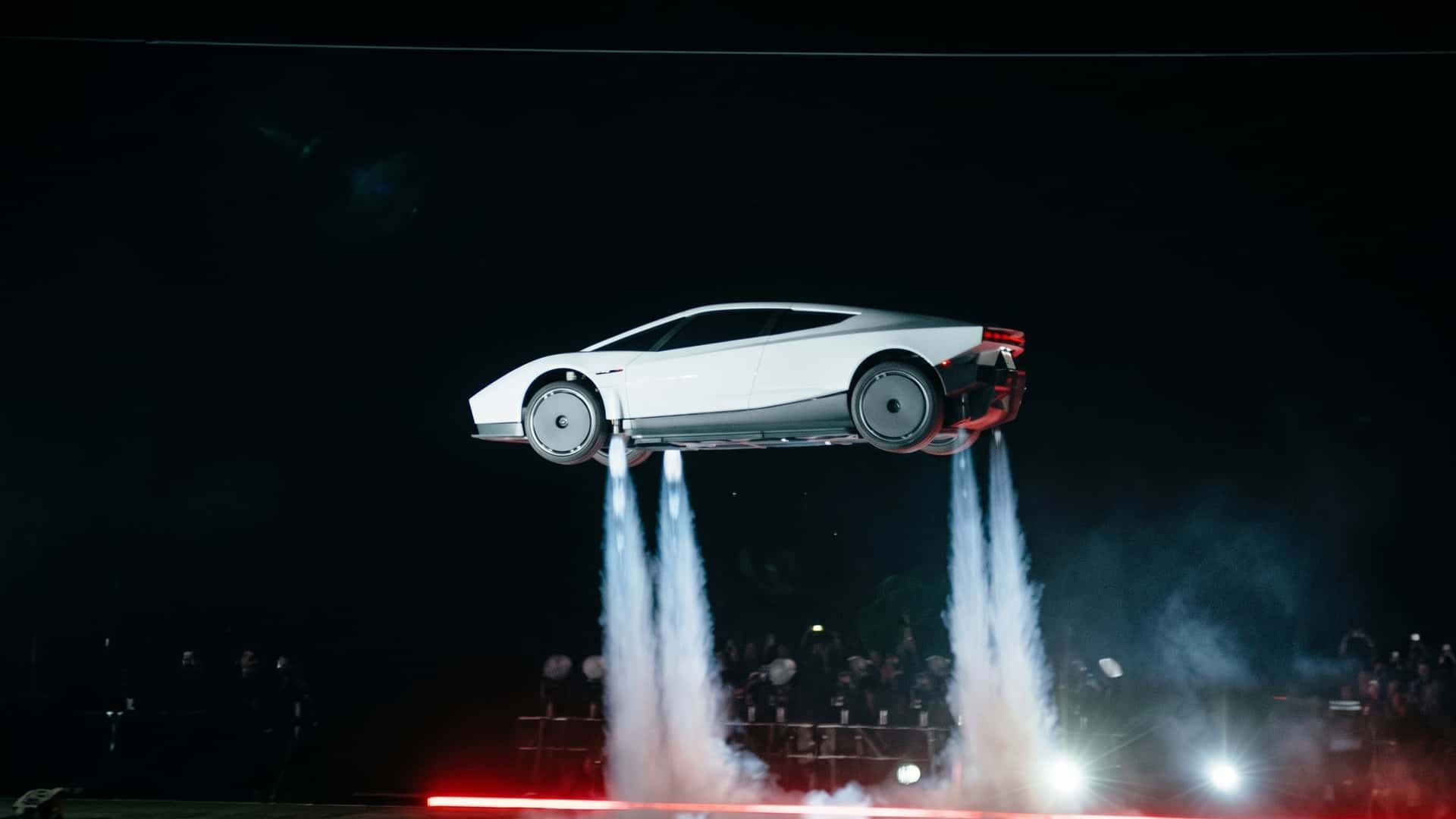
Tesla’s long-awaited Roadster has been making headlines for its outlandish party tricks—jumping off the ground, performing a mid-air barrel roll, and supposedly hitting 60 mph in under a second. But there’s a practical catch hidden behind the spectacle: the compressed-gas system that powers the car’s thrusters depletes in a matter of seconds, while getting it back to full pressure takes far longer.
In a walkaround video produced by Top Gear, Tesla’s vice president of vehicle engineering, Lars Moravy, explained that refilling the nitrogen tank on the Thrust variant currently requires anywhere from two to six hours when hooked up to an external high-pressure supply. The company’s goal, he said, is to slash that down to roughly half an hour. The figure applies specifically to the Thrust model’s 200-liter tank rather than the beefier setup found on the range-topping Rocket edition.
Tesla’s reservation page lays out three tiers: Performance, Thrust, and Rocket. All of them are promoted with downforce-generating fans that help the tires grip the road. The base Performance trim skips the thrusters entirely and keeps its trunk space, while the limited-run Thrust adds four rear-facing boosters fed by a tank mounted behind the passenger cabin—eating into what would otherwise be cargo room. The invite-only Rocket goes all in with a full array of ten thrusters, including the ones needed for takeoff and airborne maneuvering. Moravy confirmed that an extra 400-liter pressure vessel replaces the passenger seat, turning the car into a single-seater with 600 liters of total tank capacity.
These are cold thrusters, meaning they release pressurized gas rather than burning fuel. Forcing air out the back pushes the car forward and adds acceleration without demanding any additional power from the tires. On the Rocket, the extra nozzles provide lift and help control the car’s orientation while it’s in the air, as shown in Tesla’s own demonstration footage.
One question remains unanswered: how owners will actually refill the system. In the Top Gear segment, Moravy describes connecting the car to an external high-pressure nitrogen source. That sits awkwardly against Elon Musk’s public claim that the Roadster can replenish its own tanks using ambient air, with no special propellant required. Because the interview was recorded before the reveal event, it’s possible Moravy was outlining the current hardware while Musk was teasing a future capability. Separately, the suction fans that generate downforce—even when the car is stationary—operate on battery power and draw nothing from the thruster tanks, so the car’s grip doesn’t vanish when the compressed-air reserve runs low. Tesla has yet to clarify how long the other stunts can be sustained, or how long the batteries themselves need to recharge.
What do you think?