
Tesla Production Set to Rebound in 2026, But Long-Term Growth Looks Thin
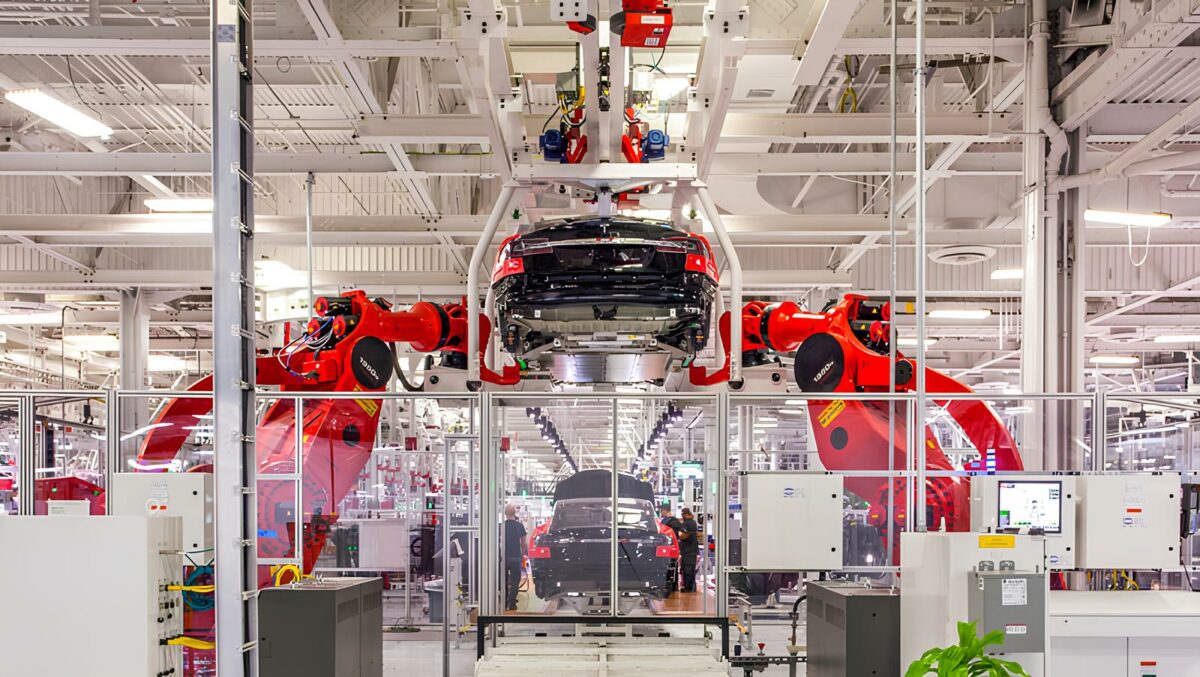
Tesla’s factory lines should be busier next year, but the company’s product roadmap offers little to sustain momentum beyond a short-term bounce, according to a forecast from Automotive World. The research outfit projects that Tesla’s global output will climb roughly 8% in 2026 to around 1.79 million vehicles — a figure that would put the automaker within striking distance of its 2023 peak of 1.85 million units.
The projected recovery rests on a handful of drivers. Tesla has rolled out lower-priced “Standard” versions of the Model 3 and Model Y, giving budget-conscious buyers a more accessible entry point. Higher oil prices have also nudged some consumers toward electric options, while European registrations staged a 43% rebound — a sharp reversal after a difficult stretch in that market.
Underneath the headline numbers, however, Tesla’s lineup remains remarkably concentrated. The Model 3 and Model Y together account for roughly 97% of deliveries, and no all-new mainstream model appears to be in the pipeline apart from the Roadster. That narrow portfolio, the forecast suggests, limits how much further the company can grow over the next five years.
The picture for Tesla’s newer and more experimental products is similarly mixed. Demand for the Cybertruck has fallen short of the company’s earlier expectations, and the outlook for the Cybercab — Tesla’s dedicated robotaxi vehicle — hinges on regulatory clearance and whether riders actually embrace the service. At best, Automotive World sees the Cybercab as a slow-burn project; at worst, it fizzles. A moderate outcome would mean around 40,000 units produced by the end of 2028. The Semi is expected to reach 7,000 units by that same year, while Cybertruck output begins a gradual decline at 16,000 units.
Profitability, meanwhile, could face growing pressure from 2027 onward. Two forces are pulling in the same direction: regulatory credit revenue is shrinking as more automakers comply with emissions rules on their own, and Tesla’s spending on artificial intelligence continues to climb. Together, those trends suggest the company’s margins may look quite different in the years ahead than they did during its high-growth era.
In short, 2026 looks like a year of recovery for Tesla’s production — but not one that signals a return to the steep expansion investors once counted on.
What do you think?