
EU Weighs Third Rollback of EV Emissions Rules in Two Years as China Gains Ground
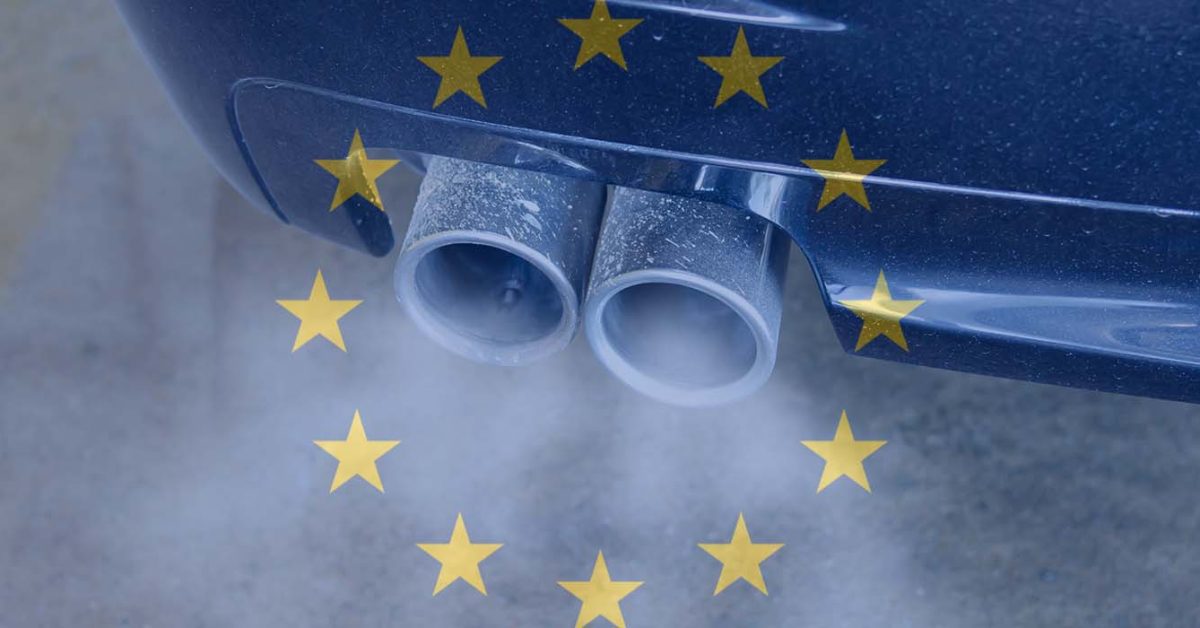
Europe’s electric vehicle transition is facing yet another potential setback, with reports indicating the bloc may ease its emissions regulations for a third time in just two years. France and Germany have reportedly reached an agreement that would lower the required emissions reduction for new cars from 90% to 80% by 2035, while also weakening interim targets. The proposal is expected to be presented to the EU on October 15.
The back-and-forth began in March 2025, when the EU granted automakers “breathing room” on short-term emissions reductions. Nine months later, the bloc rolled back its 2035 targets, allowing continued production of polluting vehicles past that date and reducing the required cut from 100% to 90%. That 90% figure was further diluted by optional credits, including for e-fuels. Now, just ten months after that revision, another loosening is on the table.
Critics argue this regulatory whiplash makes long-term targets meaningless. If rules can be rewritten every time automakers complain, companies have little incentive to invest seriously in electrification. Meanwhile, Chinese EV makers are rapidly gaining market share in Europe and globally, offering cheaper and increasingly competitive electric models while some European automakers cancel EV projects and scale back investments.
The timing is particularly awkward given ongoing oil market disruptions and high fuel prices. Transportation remains the largest emitting sector in wealthy countries, with personal gas-powered vehicles responsible for the majority of those emissions. This summer’s record heat waves in Europe, which reportedly killed thousands, underscore the urgency of reducing reliance on fossil fuels.
The decision could also have ripple effects beyond Europe’s borders. The EU is reportedly pressuring the UK to impose tariffs on Chinese EVs as a condition for joining its “Buy European” agreement. The UK has so far avoided such tariffs, and electric vehicles there have become cheaper than gas cars, with BEVs now the most popular powertrain. Whether Europe returns to its original targets or continues down this path of repeated rollbacks may determine how competitive its auto industry remains in the years ahead.
What do you think?