
BYD's Humanoid Robot Takes Shape in New Design Patent as Launch Slips Past August Target
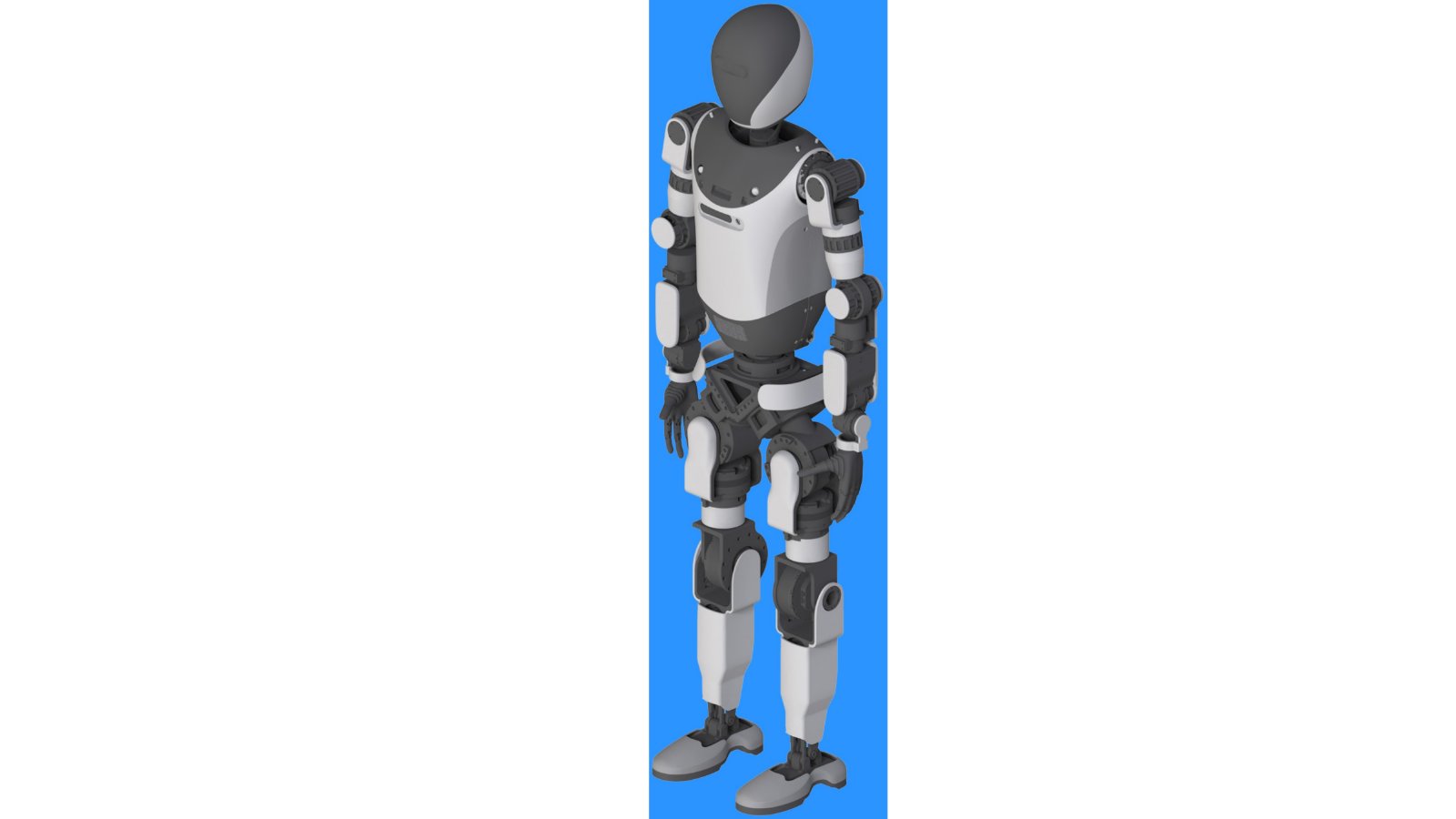
BYD’s long-teased humanoid robot has finally offered a glimpse of what it might look like, thanks to a design patent published this week by China’s National Intellectual Property Administration. The filing, which names the automaker as the rights holder, covers an “embodied intelligent robot” and reveals a bipedal machine roughly proportioned like a person.
The drawings depict a two-armed, two-legged figure with articulated fingers, an oval head featuring a dark faceplate, and light-toned panels across portions of its torso and limbs. Visible articulation at the shoulders, elbows, hips and knees suggests a walking, balancing platform, with some mechanical hardware left exposed around the waist and lower legs. According to the patent description, the design targets intelligent robots suited to service, education and industrial environments.
It is worth stressing what the document does and does not say. A design patent protects appearance only; it confirms nothing about performance, manufacturing readiness, or whether any commercial version will match these drawings. Even so, it represents the most concrete public look yet at a project BYD has discussed only in broad strokes.
Those strokes have been ambitious. In late July, the company told the China Securities Journal it intended to stage a humanoid robot debut in August at Di Space, its science and technology exhibition venue. That month came and went without a formal unveiling, and as of the patent’s October 9 publication date, no product introduction had taken place.
BYD executive vice president Stella Li has sketched out an unusually wide role for robotics inside the company. Speaking in June, she said she hoped to eventually station two to three robots at every BYD dealership, where they would present and demonstrate vehicles to shoppers. She views homes and the service sector as a vast addressable market, while acknowledging that machines cannot substitute for the emotional rapport human sales staff build with customers. Should robots ever reach households, Li has suggested, BYD could move them through its existing dealer network, turning a car-sales channel into a distribution arm for a new category. She has argued that BYD’s edge lies in manufacturing capability plus software and hardware integration, noting that automotive AI and robotics rest on shared technological foundations. Li has also floated an open robotics platform that would host both BYD’s own machines and products built with outside partners.
The patent arrives as competition in humanoid robotics intensifies, with Tesla pushing its Optimus program toward volume production and reportedly auditing Chinese suppliers to get there. For BYD, the appeal is strategic: the same engineering muscle behind its EV lineup could plausibly extend into embodied AI, and its retail footprint offers a ready-made showcase. Until a formal debut actually happens, though, the robot remains a drawing on a government database rather than a product — a hint of intent, not a promise of delivery.
What do you think?