
Tesla's Road to 2030: What the Latest Forecast Reveals About Production and Performance
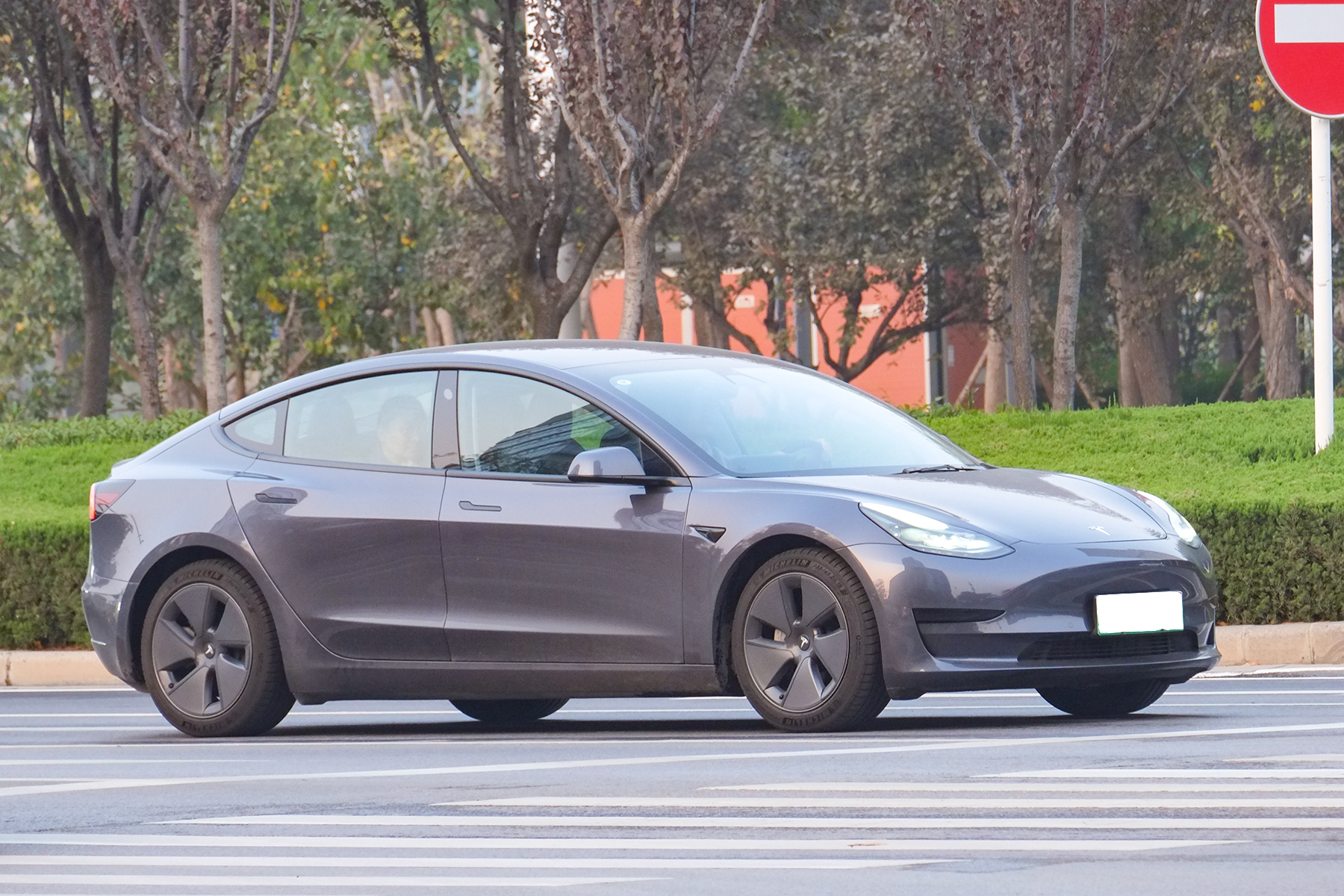
A newly published industry forecast has turned the spotlight back onto Tesla’s long-term trajectory, examining how the electric vehicle maker’s production output and financial performance are expected to evolve through the end of the decade. The analysis, released in early October 2026, aims to give a structured view of where the company is headed rather than simply cataloguing where it has been. It arrives at a moment when Tesla’s growth story is being scrutinised more closely than at any point in its history.
The forecast is built around several core pillars: a review of recent financial results, an outline of Tesla’s current business structure, a breakdown of its sales footprint, and a forward-looking production projection stretching to 2030. Model plans are also mapped out on a brand-by-brand basis, with historical production data reaching back to 2021 serving as the baseline for the projections that follow. That span is significant, because it captures both Tesla’s steepest period of volume expansion and the more uneven phase that followed.
What makes this kind of long-range modelling useful is the context it provides for the questions investors and industry watchers keep returning to. Tesla’s product line-up has matured considerably over the past several years, and the company’s ability to sustain output growth depends on a mix of factors: factory utilisation across its existing plants, the cadence at which new models reach the market, and broader demand conditions in the regions where it sells most heavily. The forecast tries to translate all of that into concrete numbers rather than general sentiment.
The publication of this Tesla analysis follows a series of similar corporate forecasts covering other major manufacturers, including Renault Group, Isuzu and Ashok Leyland, each examined through the same lens of performance and production out to the early 2030s. Read together, these reports offer a comparative picture of how established automakers and newer entrants are positioning themselves for a decade in which electrification, manufacturing efficiency and regional demand patterns are all expected to shift.
For Tesla specifically, the coming years will test whether the company can convert its early lead in electric vehicles into durable, scaled production. The projections to 2030 won’t settle that debate on their own, but they give stakeholders a framework for measuring progress — and for spotting the points where reality diverges from the plan.
What do you think?