
Stellantis CEO Calls US EV Market a 'Regulation-Driven Bubble' as Group Embraces Regional Strategy
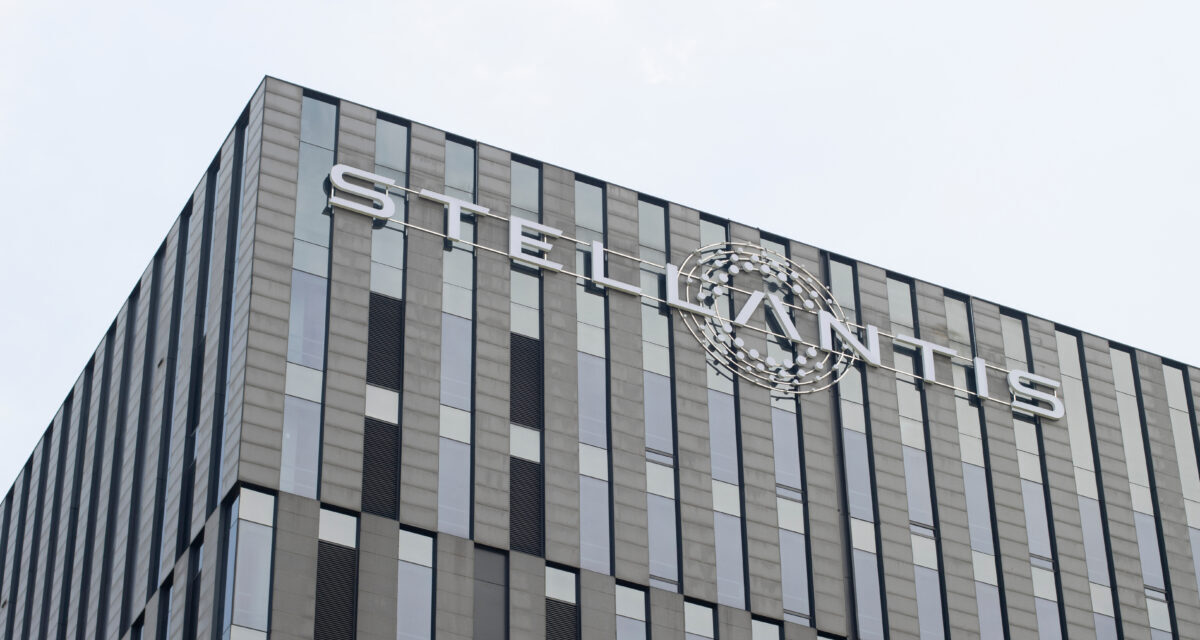
Stellantis chief executive Antonio Filosa has described the recent surge in US electric vehicle adoption as a “bubble” inflated by regulation rather than organic consumer demand. Speaking at the 2026 Paris Motor Show, Filosa pointed out that battery-electric vehicles still account for only 7% of American sales this year—precisely the same slice they held five years ago. In his view, once the administration began rolling back mandates, buyers naturally drifted back toward other powertrain options. He contrasted this with the growing American appetite for range-extended pickups and SUVs, which he characterized as a genuine customer-led trend rather than a compliance exercise.
Filosa’s remarks came alongside a broader diagnosis of the auto industry’s shifting shape. Trade barriers and new regulatory regimes, he argued, have set off a process of regionalization, making the sector “less global and more regional” than at any point in recent memory. His assessment echoes similar comments from Hyundai chief executive José Muñoz, who declared earlier this year that globalization is effectively over. Where Muñoz responded by localizing supply chains, Filosa is charting a different course: leaning on partnerships, particularly with Chinese automakers, to keep plants running and fill underused capacity.
That approach is already taking concrete form in Europe. Stellantis plans to share factory space with Leapmotor and Dongfeng, with Leapmotor set to begin shipping vehicles from a Stellantis facility in Spain later this month. The new electric Citroën 2CV rides on Leapmotor technology, and an upcoming Opel model will use the same architecture. Filosa was explicit that he does not want to shut plants outright, even as excess capacity weighs on the group. As the EU’s hybrid quota pushes Chinese brands to build locally, Stellantis is positioning its idle European sites as a landing pad—putting it in direct competition with Volkswagen, which has also signaled openness to sharing underused factories. Xpeng confirmed in May that it was in talks with VW about acquiring a brownfield site, though it noted the available options were somewhat dated.
At the same time, Filosa firmly rejected any notion of splitting Stellantis’ European and American operations, calling the idea implausible. He stressed that all 14 brands benefit from technology developed globally, including the new STLA One platform debuting with Peugeot. Under the group’s FaSTLAne 2030 plan, 40% of a €60 billion investment program will flow toward shared platforms, powertrains and technologies—a structure that sits awkwardly beside his own observation that the industry is fracturing along regional lines. Investors remain skeptical: Stellantis shares have fallen nearly 60% this year, the worst performance in Europe’s Stoxx 600 index. Filosa insisted the group has already turned the corner on profitability after last year’s loss, ruled out selling Maserati, and pushed for a swift resolution on revised EU CO2 rules, noting that stakeholders agree on “90% of the issues.”
Filosa’s regional diagnosis points toward regional structures, yet his remedy keeps a global portfolio intact while using Chinese partners to plug the gaps. That may keep European plants open, but they will increasingly build other companies’ cars—or Stellantis models underpinned by other companies’ technology. If EU local-content rules reward that arrangement, Stellantis’ spare capacity becomes a strategic asset. If Brussels eventually demands European technology alongside European assembly, it will expose just how much of the group’s future now depends on its partners.
What do you think?