
Paris Motor Show 2026: European Brands Look Backward While Chinese Automakers Push Forward
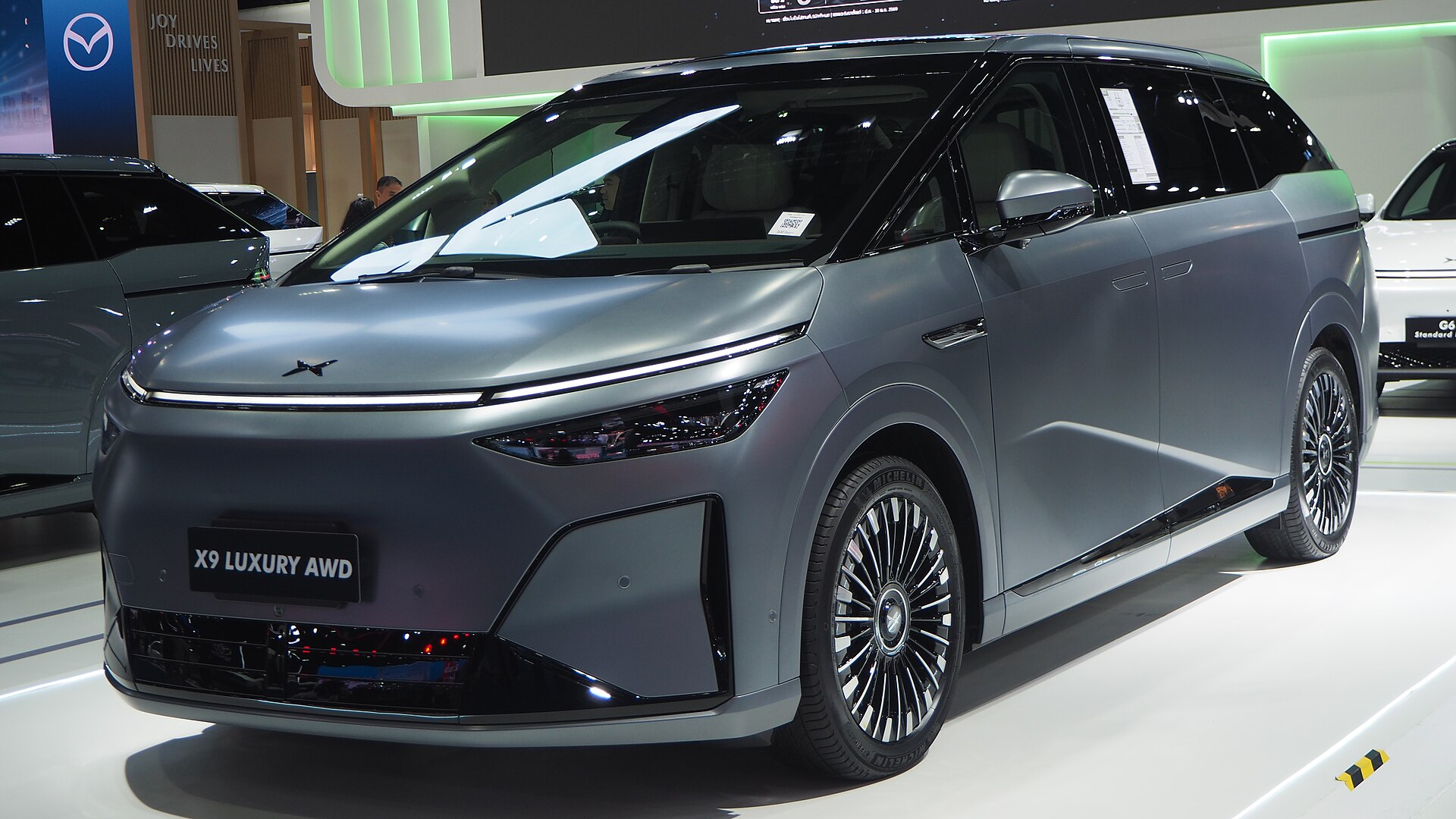
The 2026 Mondial de l’Auto in Paris has closed its doors, and the contrasts on display were hard to ignore. Roughly a third of the exhibition floor was occupied by Chinese manufacturers, a proportion that grows further once brands like Smart, Volvo and Lotus are folded into the count. Meanwhile, a long list of familiar names stayed home: BMW, Porsche, Mini, Maserati, Jaguar and Land Rover were all absent, as were Toyota, Nissan, Suzuki, Mazda and Mitsubishi. Honda turned up with a modest stand and a pair of combustion models, Subaru shared space with another exhibitor, and Hyundai/Kia fielded a larger footprint than the entire Japanese contingent — though the spotlight there fell on a handful of new hybrids. Ford brought out historic racing machines alongside a fresh Ranger trim, Jeep showed models not sold in the US, Tesla parked a Cybercab on the floor, and Lucid used the event to announce its arrival in France.
Walking the European halls, one theme dominated: nostalgia. Retro-flavored designs were everywhere, often wrapped around packages with compromises in space, quality or specifications. The Citroën stand drew perhaps the biggest crowds with a 2 CV concept that leaned heavily on the brand’s heritage. Alfa Romeo’s Cuorerosso concept mined its own past while feeling futuristic, and models such as the Fiat 600 and Multipla concept, the Renault 4 and 5, the ID.Polo and the Peugeot E-208 GTi all trade on the histories of the companies behind them. For European attendees of a certain age, these vehicles stir fond memories of youth — but whether they will resonate with younger buyers is an open question.
The backward-looking posture went beyond sheet metal. At the accompanying Paris Automotive Summit, legacy European automakers made a collective political push in three directions: softening emissions rules that would speed electrification, easing competitive pressure through trade policy, and relaxing safety regulations to create a Europe-only small-car class sitting between quadricycles and conventional vehicles. Renewed interest in combustion development was also part of the conversation. The framing was about buying time, but the risk is clear: the longer a company is shielded and focused on its past, the further it drifts behind rivals that face no trouble hitting emissions targets. Artificially inflated prices slow adoption, and no clean-technology breakthrough emerged from the European contingent to wow the crowd. The mood was defensive rather than ambitious, and at times dismissive of the competition. If retro wraps convince some buyers to go electric, that is a positive — but it is not the posture of an industry trying to lead.
XPENG exemplified the opposite approach. The company used the show to stake a claim to global industry and technology leadership — not in sales volume, but in direction. Its new G9L launched with the brand’s latest technology at a competitive price, and back-to-back against rivals that once set the segment benchmark, it clearly raises the bar. Several companies were invited to demonstrate intelligent driving in Paris traffic; only XPENG and Tesla accepted, and a ride in the L03 showed the car handling the city’s roads more smoothly than many human drivers. CEO He Xiaopeng was the only non-European executive at the summit and the sole speaker to present a technology-driven, positive vision — one in which cooperation with European industry plays a role rather than pure rivalry.
BYD took a more cautious route next door, and its European lineup looked deliberately restrained. Most of the models on its stand have been discontinued in China, are not sold there, or are on the way out, while the Denza display featured more advanced global products at a substantial premium. The headline news was Flash Charging arriving on the ATTO 8 (Tang L) — the technology’s first appearance under the main brand in Europe on a model already aging in China. That restraint could backfire: offering the fastest charging yet seen in Europe may not hold up if Chinese rivals roll out megawatt-level charging and supporting infrastructure within months.
Elsewhere, Li Auto previewed its futuristic lineup ahead of a 2027 European launch, Geely’s brands undercut European competitors on price or outmatched them on tech, and Leapmotor sat beside its Stellantis partners offering superior value with somewhat plain styling — a partnership that could evolve toward Leapmotor engineering beneath Stellantis designs. Even the least exciting offerings from state-run automakers delivered strong value. Watching it all unfold, the sense was of roles reversing in real time. Honoring past achievements is not the problem; using them as walls to keep the future out is.
What do you think?