
Solaris Debuts Electric and Hydrogen Urbino Buses at Polish Transit Fair
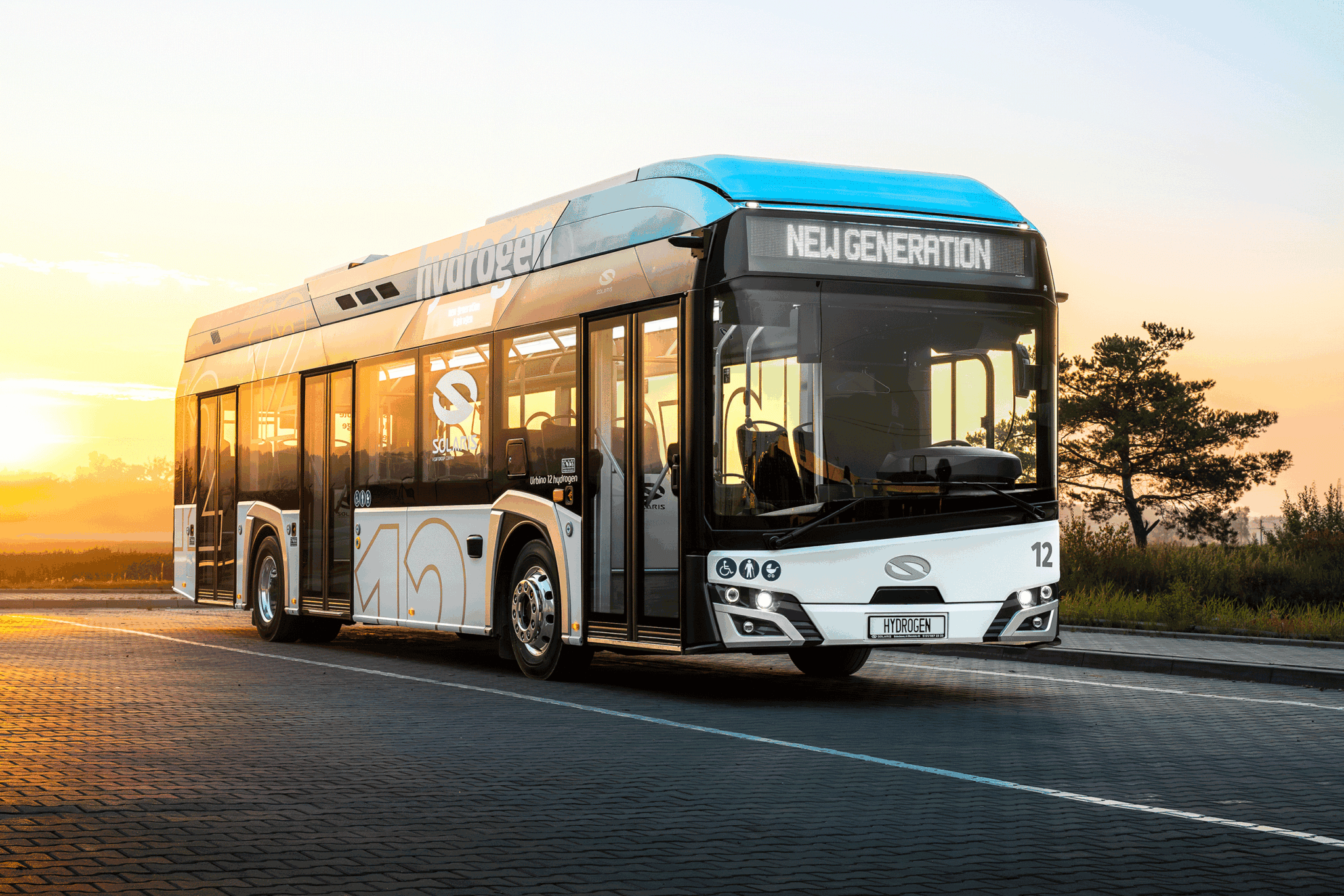
Polish bus maker Solaris is bringing two zero-emission vehicles to the Transexpo public transport exhibition in Kielce, running from 14 to 16 October 2026. Making its first appearance on Polish soil is the compact Urbino 10,5 electric, positioned alongside a new-generation hydrogen-powered Urbino 12. Both models share the towerless platform that has become standard across the latest Urbino range, a design decision that lets Solaris mount battery-electric and fuel-cell drivetrains on the same underlying architecture.
The shorter electric variant measures 10.5 metres and can carry 33 seated passengers out of a total capacity of up to 85. Its turning circle comes in under 17 metres, a figure that matters for operators threading buses through tight city streets where a full 12-metre vehicle would be awkward. The model earned the Urban title at the Sustainable Bus Award 2026 following its global premiere at Busworld in Brussels in October 2025.
Propulsion comes from a 240kW motor drawing on Solaris High Energy batteries with a capacity of up to 400kWh. The packs can be replenished either by plug or pantograph and are rated to cover a full day’s service without intermediate charging. Removing the tower frees up cabin space and gives engineers more flexibility in where they position major components, while a CO₂ heat pump takes care of climate control. On the hydrogen version, the same platform layout delivers extra rear seating and simplifies maintenance access to roof-mounted hardware. A fuel cell producing more than 70kW supplies a central traction motor, supported by a battery that absorbs demand peaks and recovers braking energy. Both vehicles carry Intelligent Speed Assistance, blind-spot monitoring and driver drowsiness alerts.
Running two drivetrain types on a single architecture offers Solaris a shared foundation at a symbolic moment, as the company marks its 30th year of operation. The manufacturer has signalled plans to increase production capacity and enter new vehicle segments, while consolidating its zero-emission bus operations in Europe and pushing into the North American market. For transit agencies weighing battery-electric against hydrogen options, the shared-platform approach could simplify fleet planning and reduce the cost of maintaining two separate drivetrains.
Solaris has built its reputation on zero-emission urban transport, and the Kielce display underscores how the company intends to keep both technology paths alive rather than committing exclusively to one. Whether hydrogen or battery power ultimately dominates municipal fleets remains an open question across Europe, but the Polish manufacturer appears content to serve either outcome from a common base.
What do you think?