
Rivian's Robotics Spin-Off Taps Veteran EV Executive Doug Field as President
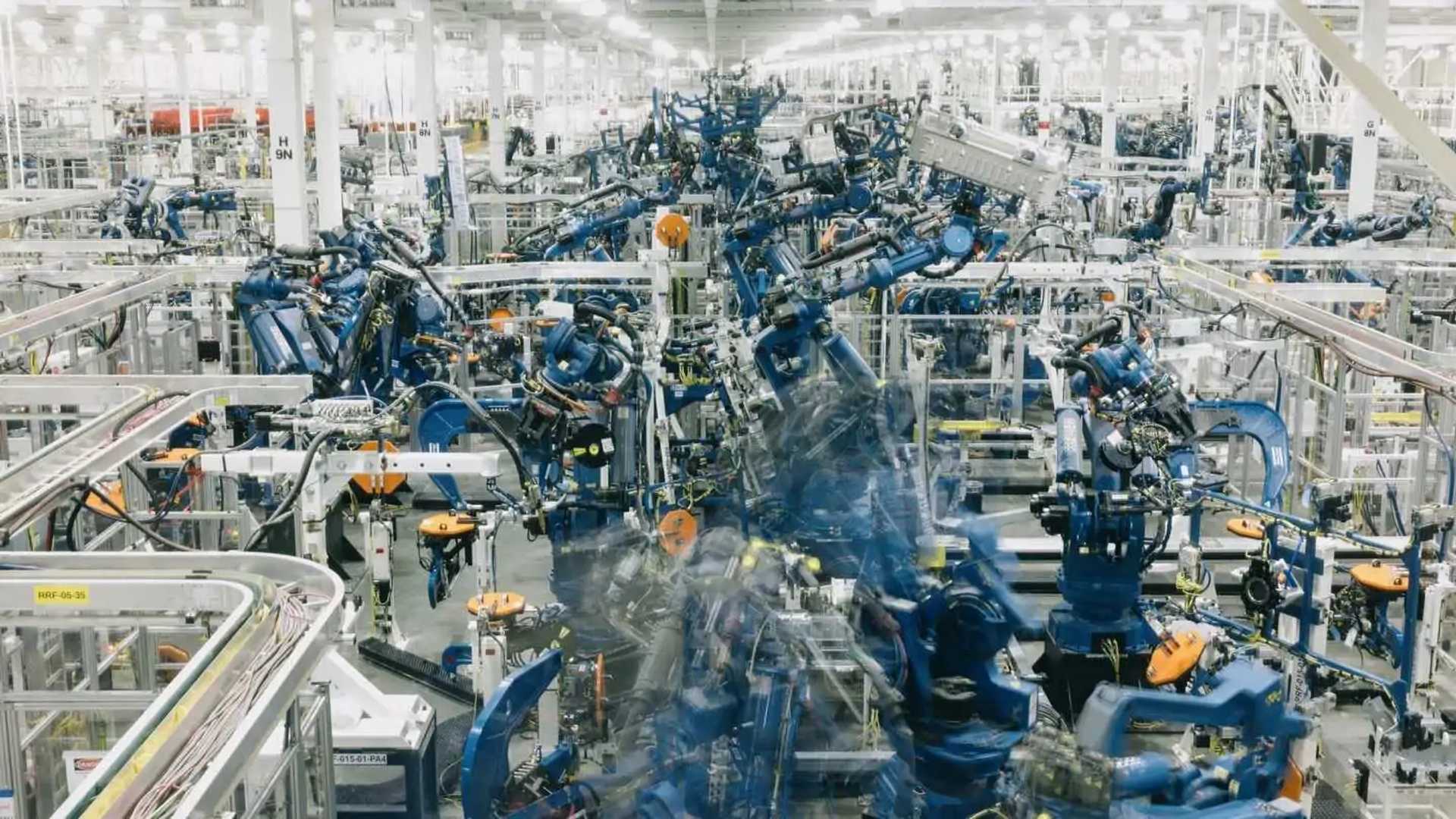
Rivian’s in-house robotics and artificial intelligence venture has a new leader. Doug Field, whose résumé spans Apple, Tesla and Ford, is stepping in as president of Mind Robotics, the outfit Rivian stood up last year to pursue automated manufacturing technology.
Field takes the reins from Rivian CEO RJ Scaringe at the venture’s day-to-day helm, though Scaringe will remain involved in a broader capacity. The two men reportedly spent considerable time exploring how deliberately robotics ought to be developed and introduced into both the economy and society at large. Scaringe described their discussions as revealing a strong shared outlook—not only on the venture’s overall mission but on how they approach work and assemble teams.
Few executives bring Field’s depth in automotive technology. Before his most recent chapter, he worked at Apple on the company’s now-shuttered autonomous vehicle program, Project Titan. At Tesla, he served as senior vice president of engineering and was instrumental in bringing the Model 3 to production. He then spent five years at Ford driving its electric vehicle efforts, including putting together the skunkworks group responsible for the Universal Electric Vehicle platform. He departed Ford this April during a reorganization of the automaker’s EV operations.
Field framed the new role as an engineering challenge of the highest order. In comments shared with TechCrunch, he said merging AI with robotics ranks among the most consequential and demanding technical problems of the current era, and pointed to Mind Robotics’ unusual position: the ability to test and refine its machines inside a functioning, high-volume factory from the outset. He added that he was eager to join Scaringe in shaping a team, culture and technology stack aimed at redefining American manufacturing.
Rivian itself will serve as the first customer for Mind Robotics once the machines are ready for deployment. Unlike Tesla’s humanoid program, however, these robots will only be semi-humanoid and are being engineered specifically to assist with manufacturing tasks. The distinction matters: rather than chasing a general-purpose bipedal form factor, Rivian appears to be aiming at purpose-built automation that can be validated on its own production lines before anything else.
What do you think?