
Porsche's Electric Cayenne Left the V8 Audi RS Q8 in the Dust
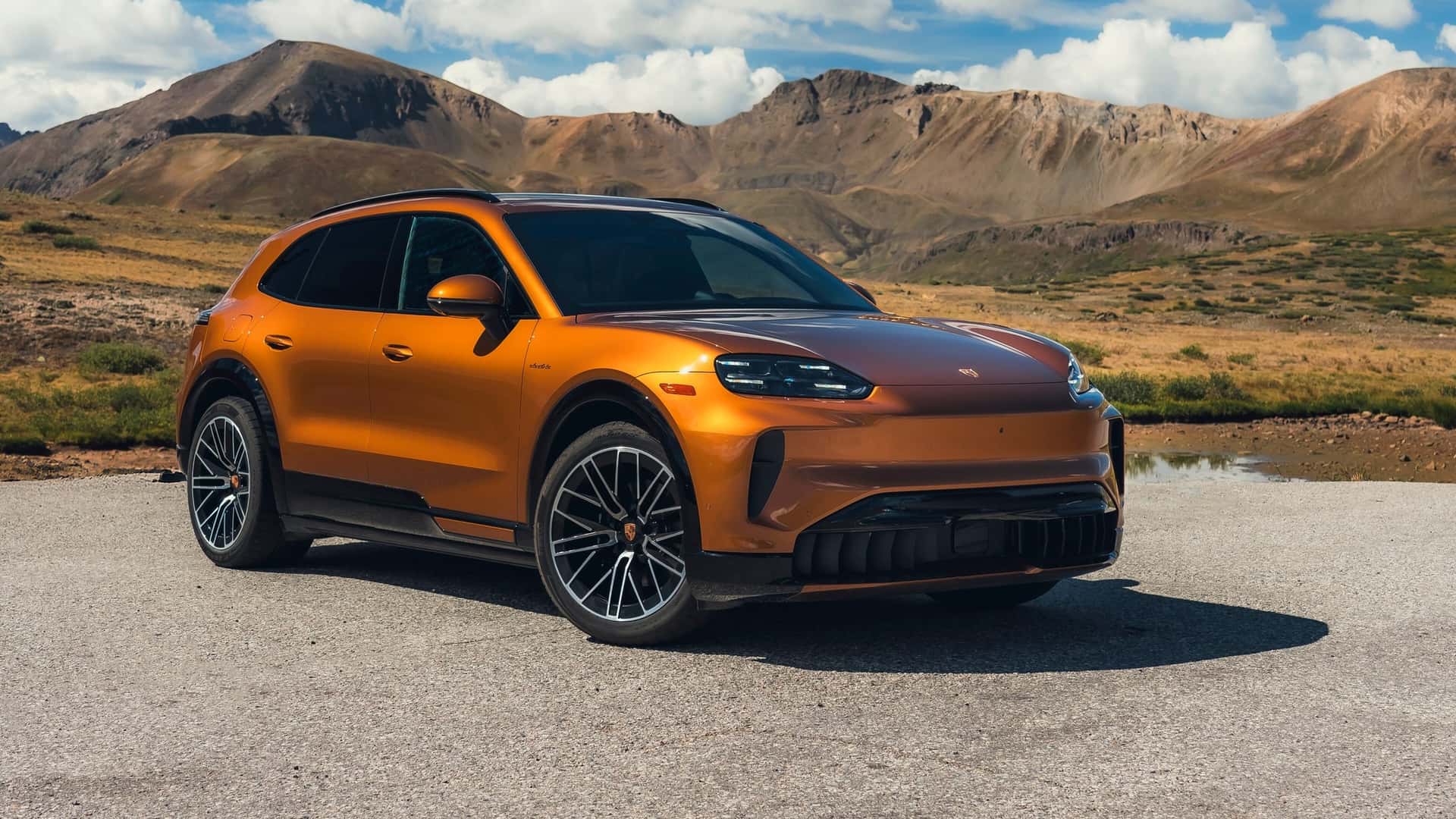
Pitting Porsche’s new battery-powered Cayenne against Audi’s 631-hp RS Q8 sounds like a mismatch on paper — one is a heavyweight EV newcomer, the other a established twin-turbo V8 super-SUV. But in a head-to-head test, the electric Porsche didn’t just edge ahead; it humiliated the Audi across nearly every measurable category.
The Audi brings serious hardware: a 4.0-liter twin-turbo V8 producing 631 horsepower and 627 lb-ft of torque, a roughly three-second 0-60 mph sprint, and a 190-mph top speed — supercar figures wrapped in a five-seat body. Yet in the quarter-mile, the RS Q8 needed 11.6 seconds and crossed the line at 162 mph. The Cayenne Electric finished the same run in a flat 10 seconds at 170 mph. For context, that is a staggering number for something weighing well over 5,900 pounds.
Straight-line speed is only part of the story. The testers also evaluated ride comfort by running both SUVs over a series of rumble strips while a seismometer app recorded the vibrations. Even in their softest settings, the Porsche came out ahead, adding a second win to its tally. Then came the track, where the physics seemed to favor the lighter Audi — the RS Q8 tips the scales at just over 5,300 pounds, roughly 600 pounds less than the Porsche. That advantage evaporated: the Cayenne lapped the circuit almost five seconds quicker.
The Cayenne’s trump card is output. It generates 1,139 horsepower, nearly double the Audi’s figure, and electric motors deliver that thrust instantly rather than building it through a rev range. That combination of raw power and immediate response explains why the extra mass never became the liability it would for a combustion SUV.
None of this means EVs outrunning gas performance cars is a new phenomenon — instant torque has long given electric powertrains an edge. What stands out is the margin. The RS Q8 ranks among the quickest SUVs available, and the electric Cayenne beat it in acceleration, circuit pace, and comfort simultaneously. The Porsche is also considerably more expensive, so a strong showing was arguably expected — but the scale of the gap is what makes the result notable.
For buyers weighing a high-performance SUV, the test reinforces a shifting reality: electric flagships are no longer just competitive with the best combustion performance models — they are setting the benchmark.
What do you think?