
NHTSA Weighs Probe Into Tesla Robotaxis Reportedly Speeding in School Zones
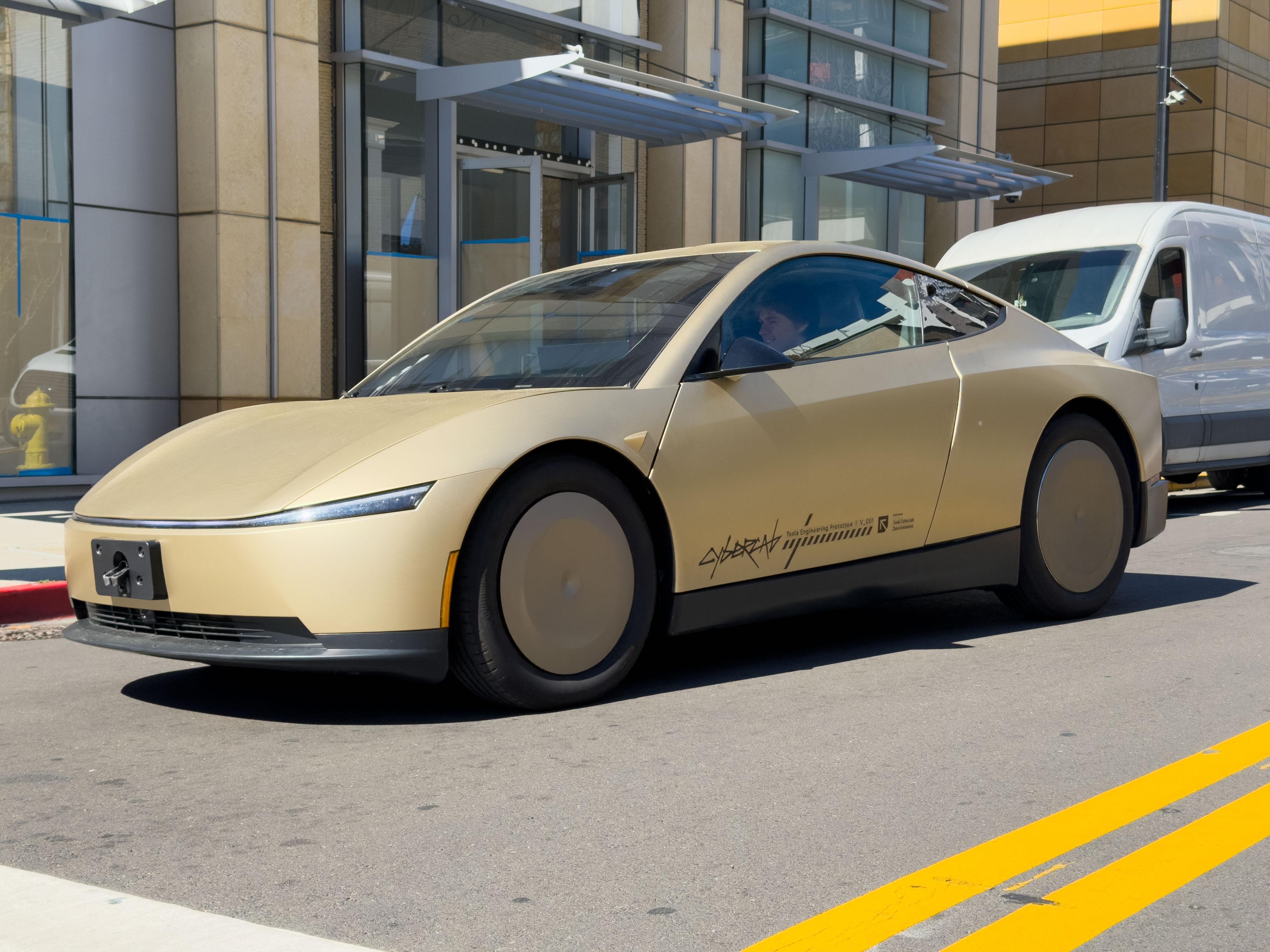
Federal auto safety regulators are reviewing claims that Tesla’s fleet of roughly 1,000 robotaxis, which operate on the company’s automated driving software, have been traveling faster than posted speed limits in school zones that were actively in effect. The National Highway Traffic Safety Administration confirmed it is evaluating the allegations, which arrived through a defect petition rather than an agency-initiated inquiry.
According to NHTSA, its Office of Defects Investigation logged the petition on September 23, 2026. The request asks the agency to formally investigate 2026 model year Tesla robotaxis — specifically the Model Y and the Cybercab — when their Automated Driving System is engaged. The petitioner’s central claim is that the system pushes vehicles past the speed limits displayed in active school zones.
A decision to open a formal investigation would not be Tesla’s first brush with federal scrutiny over its driver-assistance and autonomous technology. The Cybercab, which debuted earlier this year, is already the subject of a separate inquiry tied to its unconventional design, including the absence of side mirrors, pedals and a steering wheel. NHTSA has also examined Tesla’s Full Self-Driving system over reported traffic violations such as running red lights and driving on the wrong side of the road.
The school-zone complaint is not unique to Tesla within the robotaxi industry. Waymo has fielded comparable questions from regulators, including allegations involving illegally passing school buses and an incident in which one of its vehicles struck a child near an elementary school in California. Those cases illustrate a broader challenge for autonomous driving developers: proving that automated systems can reliably interpret dynamic, location-specific rules like reduced school-zone limits, which change by time of day and are often conveyed through signage and flashing signals rather than static map data.
For now, NHTSA’s role is limited to weighing whether the petition warrants a deeper look. If the agency moves forward, the review would add another layer of regulatory attention to Tesla’s autonomy ambitions at a moment when the company is expanding robotaxi operations and preparing the purpose-built Cybercab for wider deployment. How quickly automated vehicles can be trusted to obey context-sensitive traffic rules remains one of the central questions facing the entire sector.
What do you think?