
Minesto's Underwater "Dragon" Kites Take Aim at the Maldives' Diesel Habit
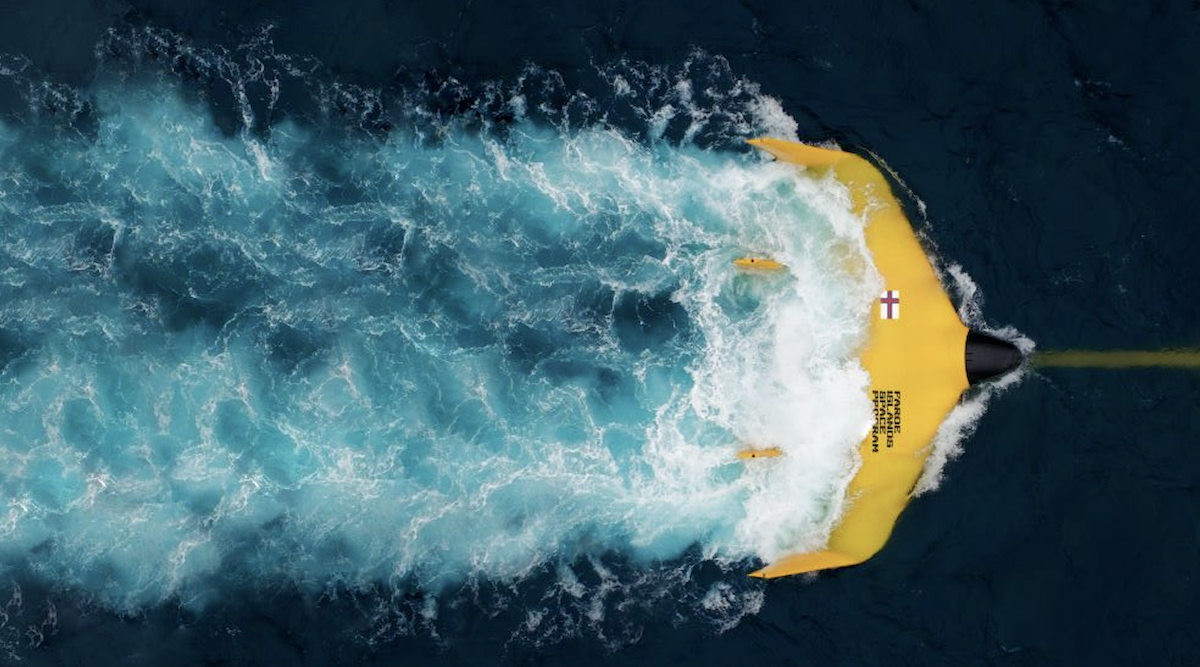
Swedish marine energy developer Minesto has signed a Memorandum of Understanding with UK investment firm Morteza Capital to bring tidal power to the Republic of Maldives — a archipelago that burns imported diesel for electricity and can’t afford to clutter its postcard views with wind turbines.
That tension, between clean power and pristine scenery, is exactly the niche Minesto has been chasing. The company’s “Dragon Class” devices look less like power plants and more like high-tech kites tethered underwater, built to pull energy out of slow-moving tidal streams and ocean currents where conventional turbines struggle.
Why the Maldives, of All Places
The Maldives makes a compelling test case. Hundreds of low-lying islands, all exposed to sea-level rise and punishing weather, spread across water rather than connected by a single grid. Imported diesel keeps the lights on — at a steep price, both financially and in emissions.
Tourism, meanwhile, is the backbone of the economy. That rules out the kind of large-scale wind or solar farms that would alter the horizon lines visitors pay to see. Minesto’s argument is simple: put the hardware underwater, where nobody notices it.
The Minesto pitch: “Tourism is a cornerstone of the country’s economy, placing particular importance on developing renewable energy solutions that preserve its pristine natural environment and scenic landscapes.”
The Nopef economic development fund — backed by Denmark, Finland, Iceland, Norway, Sweden, the Faroe Islands, Greenland and Finland’s Åland islands — is also supporting the Maldives effort alongside Minesto.
A Track Record Beyond One Market
The Maldives deal isn’t Minesto’s first swing at this. The company already lists active projects in the Faroe Islands, Wales and Taiwan, all places where renewable energy ambitions run into aesthetic or geographic constraints.
That is the pattern Minesto is betting on: islands and remote coastal communities where the grid is diesel-fed, the wind resource is contested and the water is close at hand.
Meanwhile, Washington Keeps Funding the Invisible Stuff
There’s an irony worth noting in the American context. The US Department of Energy has continued pouring money into marine energy research even as the current administration wages open war on wind turbines — a feud that traces back to a lost legal battle over an offshore wind farm’s visibility from a Scottish golf course.
Underwater devices don’t spoil a view. That seems to have kept marine energy off the chopping block.
- Wave energy potential: the Energy Department estimates 1,170 terawatt-hours per year could reach the US grid
- Tidal energy potential: roughly 220 terawatt-hours per year, concentrated in sites with strong currents
- Key test infrastructure: PacWave South off Oregon, which launched officially this summer, plus the TEAMER lab network and Hawaii’s wave energy facility run with the Navy and Marine Corps
- US tidal sites in play: the East River in New York City, Cobscook Bay and Western Passage in Maine, and Cook Inlet in Alaska
Marine energy is still a young industry. Testing, pilots and demonstrations make up most of the activity, and there is no supply chain or workforce yet built for rapid scale-up. But the resource estimates explain why governments keep writing cheques.
For now, the Maldives deal is a memorandum, not a construction contract. Still, it puts Minesto’s underwater kites in front of a government with a very specific problem — and a very small amount of land on which to solve it.
Source: CleanTechnica
What do you think?