
Kia Tests Driverless Car-Sharing With PV5 Electric Van in Korea
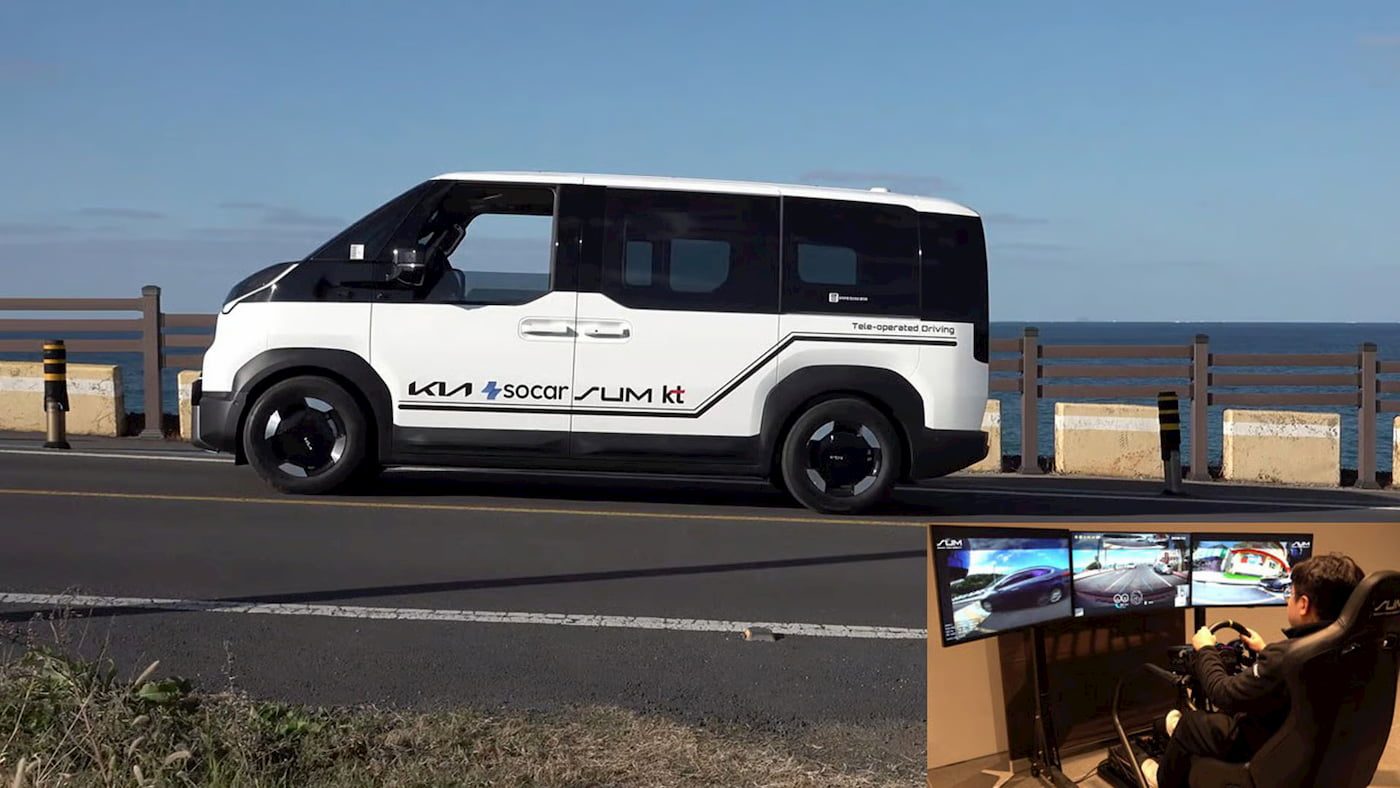
Kia has kicked off a pilot car-sharing scheme in South Korea that lets customers summon an electric van with no one behind the wheel. The program, running in Pangyo, Gyeonggi Province, relies on the PV5 electric van and remote-driving technology, and it marks the first service of its kind in the country to use that approach.
The trial launched on Thursday and is scheduled to continue through the end of the year. Kia is running the effort alongside a group of partners, with the aim of proving both the technology and the business case before any wider rollout.
- How it works: Customers book a vehicle through a dedicated app. The PV5 then drives itself to the requested spot without a driver on board, using remote control. When the user is done, they can leave the van wherever suits them, and a remote operator steers it back to its garage over 4G or 5G.
- Who is involved: Kia supplies the vans and leads the project; autonomous driving startup SUM builds the remote-driving solution; Mobiops handles day-to-day service operations; and the Korea Road Traffic Authority supports regulatory reviews.
- Partner support: Gyeonggi Province, KT, UMOS ONE, the Next Generation Convergence Technology Research Institute and the Gyeonggi Automobile Rental Business Association are backing the initiative.
- Regulatory footing: Kia secured a special exemption for remote driving under a regulatory sandbox from the Ministry of Land, Infrastructure and Transport in April, clearing a path for on-road testing.
- Background: In November 2025, Kia formed a remote-driving consortium with Socar, KT and SUM and staged a public-road demonstration by a domestic brand. A July memorandum with KT and SUM set out plans to commercialize the technology.
Why It Matters
Kia frames the service as a way for businesses to cut the cost and hassle of owning a vehicle fleet, while giving users the freedom to pick up and drop off a van on their own terms. The remote-operator model sits between full autonomy and a traditional rental counter, which could make it easier to deploy sooner under current rules.
Data gathered during the trial will feed into further development, and Kia intends to broaden the offering in 2027 as it works toward commercializing PV5-based remote driving. If the pilot holds up in real-world conditions, it could offer a template for automakers looking to pair electric vans with driverless logistics and mobility services.
Source: Electrek
Curious how this compares to other EVs? Try our comparison tool →What do you think?