
Honda Moves Dynamic Wireless Charging Toward Public Road Trials
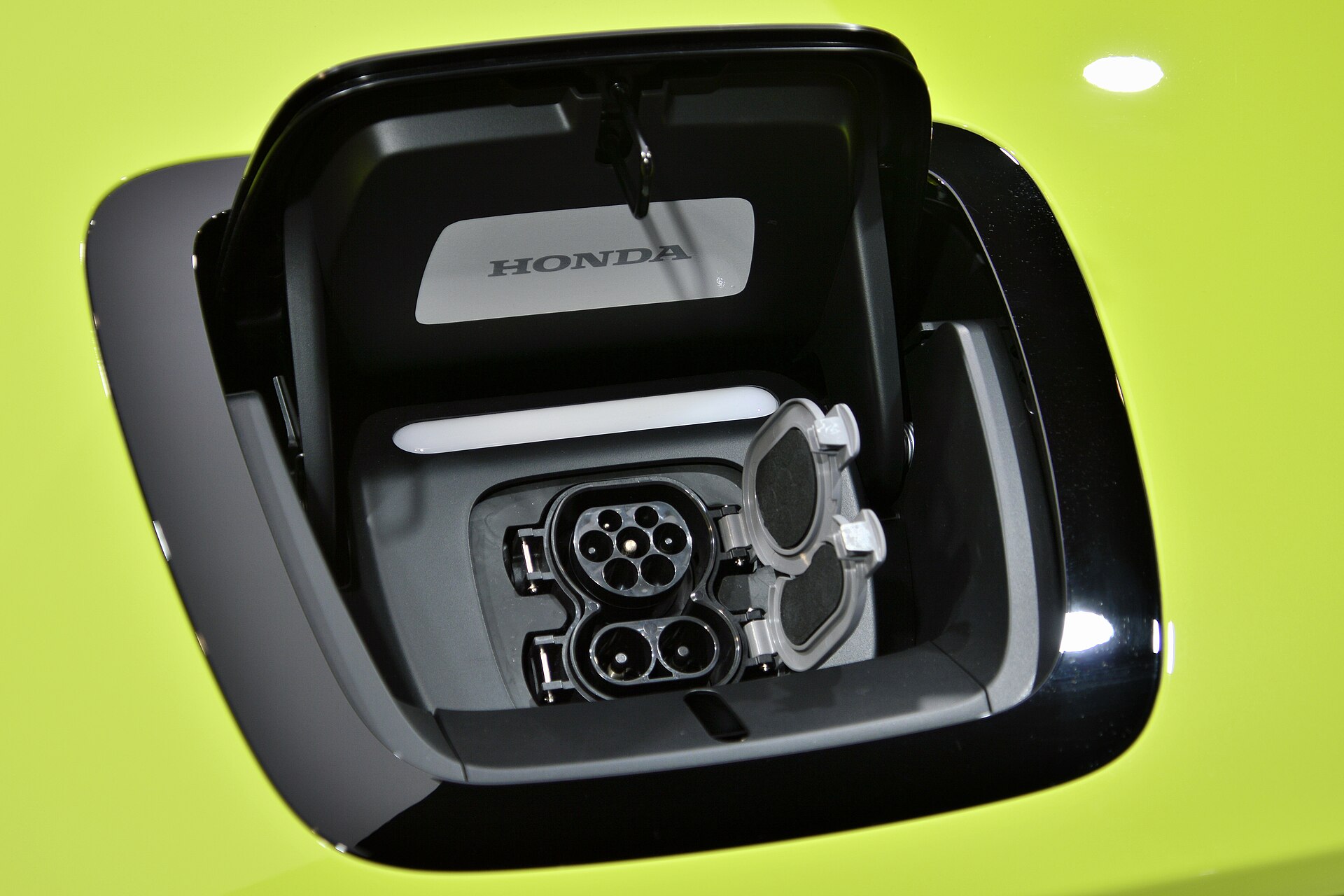
Honda is pushing inductive charging beyond stationary pads and into the roadway itself. The Japanese automaker has confirmed that since 2021 it has been working on Dynamic Wireless Power Transfer (DWPT) — a system that feeds energy to a vehicle’s battery while it is in motion. Now, after five years of development, Honda says it and its partners have put the underlying technology in place and are ready to move from the lab toward real demonstrations, with trials due to start in the Japanese fiscal year beginning 1 April 2027.
The mechanics are well understood: coils buried in the road surface create a magnetic field, and a receiver mounted on a properly equipped vehicle captures that field and channels the energy straight into the battery pack. Honda is not working alone. Taisei is supplying a DC power distribution system to electrify the road, while Taisei Rotec is handling the construction methods needed to embed the hardware. Honda’s own responsibility covers the transmitting and receiving units, which are designed to work with DC distribution networks — including on large commercial vehicles.
That commercial focus is deliberate. Honda sees the most immediate practical payoff in logistics operations, where vehicles run predictable routes and could top up continuously rather than stopping to plug in. The partners plan to build a test track at the T-FIELD/TAMRA facility by the end of 2026, where they will verify both how well energy transfers and how safe the in-road units are. From there, the goal is to refine the system for genuine road conditions and to test performance at power levels of up to 150 kW, along with the reliability of wireless power transfer for vehicles travelling at high speed.
The trio will also join a broader government-backed effort. Starting in the same 2027 fiscal year, East Nippon Expressway Company Limited (NEXCO East) will run the Tateyama Project, a DWPT demonstration on the Tateyama Expressway in Chiba, Japan. Honda’s involvement puts it in a space already occupied by players such as Israel’s Electreon, which has several pilot programmes running, as well as research efforts looking at dynamic inductive charging.
Honda has not announced a production timeline, and the technology still faces open questions about cost, road durability and standardisation. But the shift from concept to scheduled public-road testing marks a meaningful step for a company betting that tomorrow’s charging infrastructure may not sit beside the road at all — it may be underneath it.
What do you think?