
Arla Foods Grows Electric Truck Fleet with Four More DAF XD Electrics
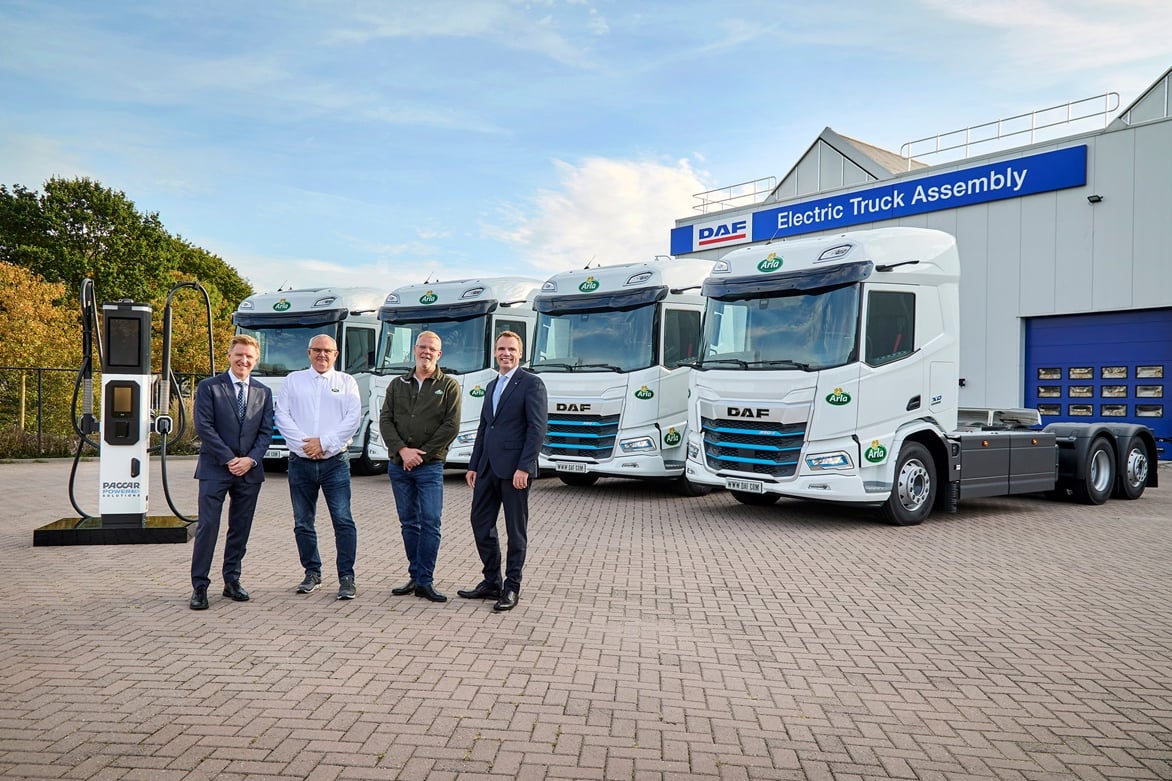
Danish dairy producer Arla Foods is pushing further into zero-emission logistics, taking delivery of four additional DAF XD Electric trucks to join its growing battery-powered fleet in Denmark.
The newly acquired vehicles are 6x2 rigid trucks equipped with DAF’s electric drivetrain, producing 350 kW and drawing from a 525 kWh battery pack — the largest capacity DAF offers for this model. According to the manufacturer, the trucks can cover up to 550 km on a single charge. They will be tasked with delivering chilled dairy products across Denmark, a duty cycle that fits well with the vehicle’s range capabilities.
This order follows Arla’s earlier deployment of three XD Electric trucks last year, which the company says have performed reliably in daily operations. Fleet manager Michael Engsig Hansen pointed to all-round visibility, driver comfort, energy consumption, and overall reliability as the key factors behind the decision to order more units. Alongside the electric additions, Arla is also putting seven DAF XD trucks with 6x2 chassis and MX-11 diesel engines into service, rated at 330 kW. All vehicles come with a DAF MultiSupport repair and maintenance contract.
Supporting the electric expansion, Arla is upgrading charging infrastructure at its Hobro site, where the company runs both a dairy facility and its vehicle depot. PACCAR Power Solutions is installing a charging system with a total capacity of 480 kW, delivered through six fast-charging points capable of up to 400 kW each. According to PACCAR’s analysis of Arla’s driving profiles, overnight depot charging is sufficient for nearly all of the company’s transport tasks — a finding that underscores how depot-based charging can serve fleet operations without relying heavily on public fast-charging networks.
The move reflects a broader trend among European food and logistics companies seeking to cut emissions from their distribution operations. Arla’s incremental approach — starting with a small batch, evaluating real-world performance, then scaling up — offers a practical template for fleet electrification in the heavy distribution segment, where range and payload considerations remain central to adoption decisions.
What do you think?