
Gelion Opens Cathode Testing Talks With a Top-15 Automaker
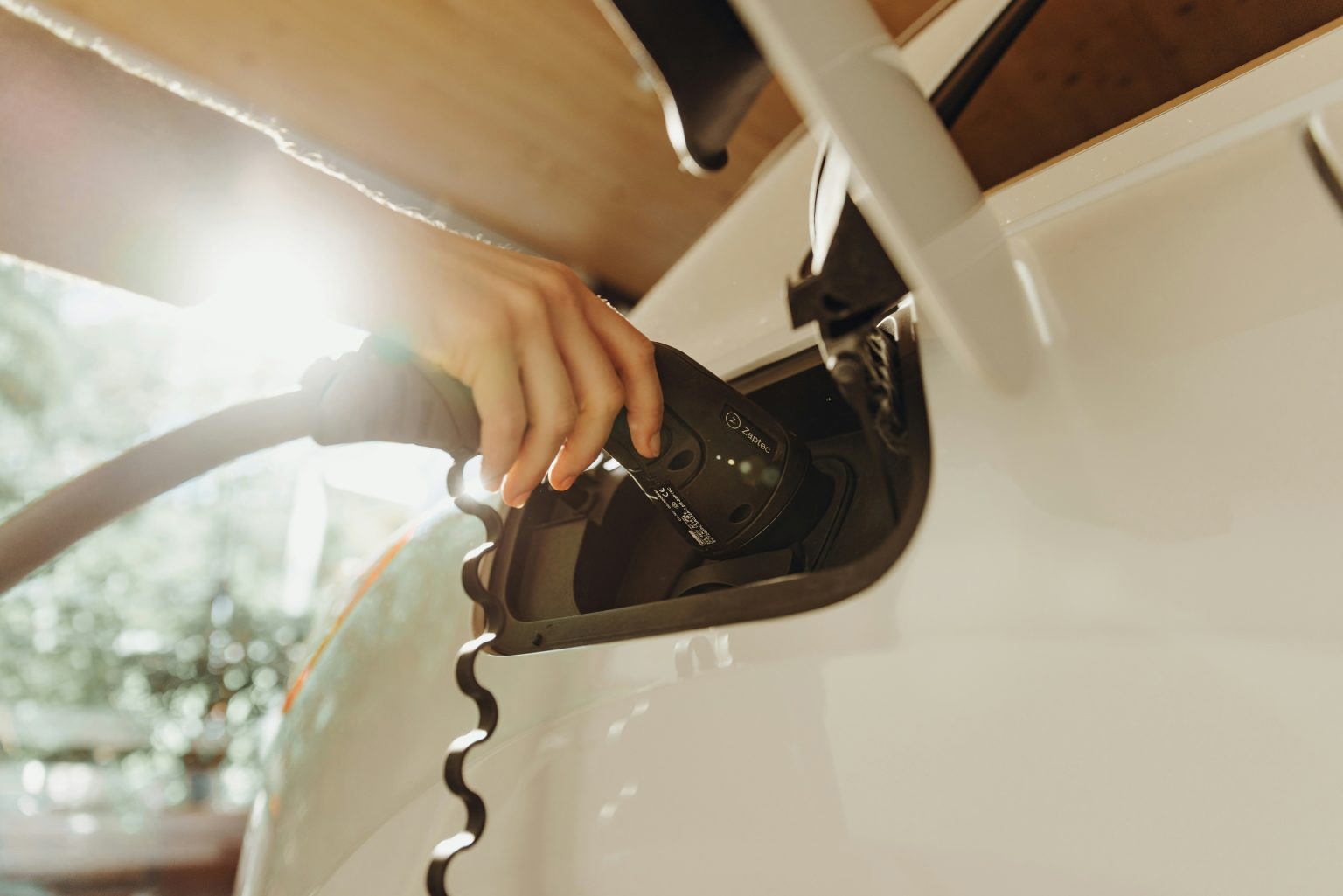
Australian battery materials developer Gelion has reached a material transfer agreement with one of the world’s fifteen largest carmakers, handing over samples of its NES sulfur-based cathode platform for evaluation in future electric vehicle packs. Under the arrangement, the unnamed OEM will put the material through its paces in both liquid and solid electrolyte cells, paired either with lithium metal or graphitic anodes, across applications spanning luxury and mass-market models.
The scope of the deal is deliberately narrow. Gelion is supplying active cathode material, coated cathodes and a liquid electrolyte, but no supply contract, licensing terms or partner identity have been disclosed. The company frames the arrangement as an evaluation step rather than a commercial milestone, and notes that additional major OEMs are already assessing the same chemistry.
What makes the technology notable is its claimed compatibility with existing production. Gelion says NES could function as a drop-in cathode for current battery manufacturing lines without significant retooling — a pitch that matters enormously to automakers weighing the cost of converting factories to new chemistries. Sulfur-based cathodes have long attracted interest because sulfur is abundant and inexpensive compared with nickel and cobalt, though historical durability and cycle-life challenges have kept the chemistry largely out of mainstream vehicle programs.
Chief Executive Matt Wood described commercial and defense drones, EVs and devices as the company’s priority markets, adding that engagement from global EV manufacturers continues to grow. He pointed to parallel agreements across drones and devices, as well as work with Tier 1 materials suppliers aimed at scaling up production of the company’s patented battery materials.
The announcement lands amid a broader industry push to diversify battery supply chains and reduce reliance on a handful of established cathode chemistries. For Gelion, the path to revenue runs through OEM validation first and royalties later, which means the automaker’s test results — not the signature itself — will determine whether the deal leads anywhere. No timeline for the evaluation was provided.
What do you think?