
EU Weighs Safeguard Import Curbs on Chinese Hybrids After Beijing Rebuffs Voluntary Caps
Brussels appears to be moving toward a formal safeguard procedure that would allow tariffs or other import curbs on Chinese-made hybrid vehicles, after Beijing declined to accept voluntary export limits on those models. The European Commission is now preparing the mechanism, according to reports, though the move may serve as leverage rather than a final decision: negotiators from both sides have already begun talks in Beijing aimed at reaching an agreed outcome.
The dispute marks a shift in how the two trading partners are handling the fallout from China’s rapid rise in car exports. Earlier rounds of EU scrutiny focused on battery-electric vehicles, where the Commission imposed countervailing duties after concluding that state support had distorted the market. Hybrids, which combine a combustion engine with an electric motor, were not covered by those measures and have become an increasingly popular way for Chinese manufacturers to compete in Europe without exposing themselves to the same level of tariff pressure.
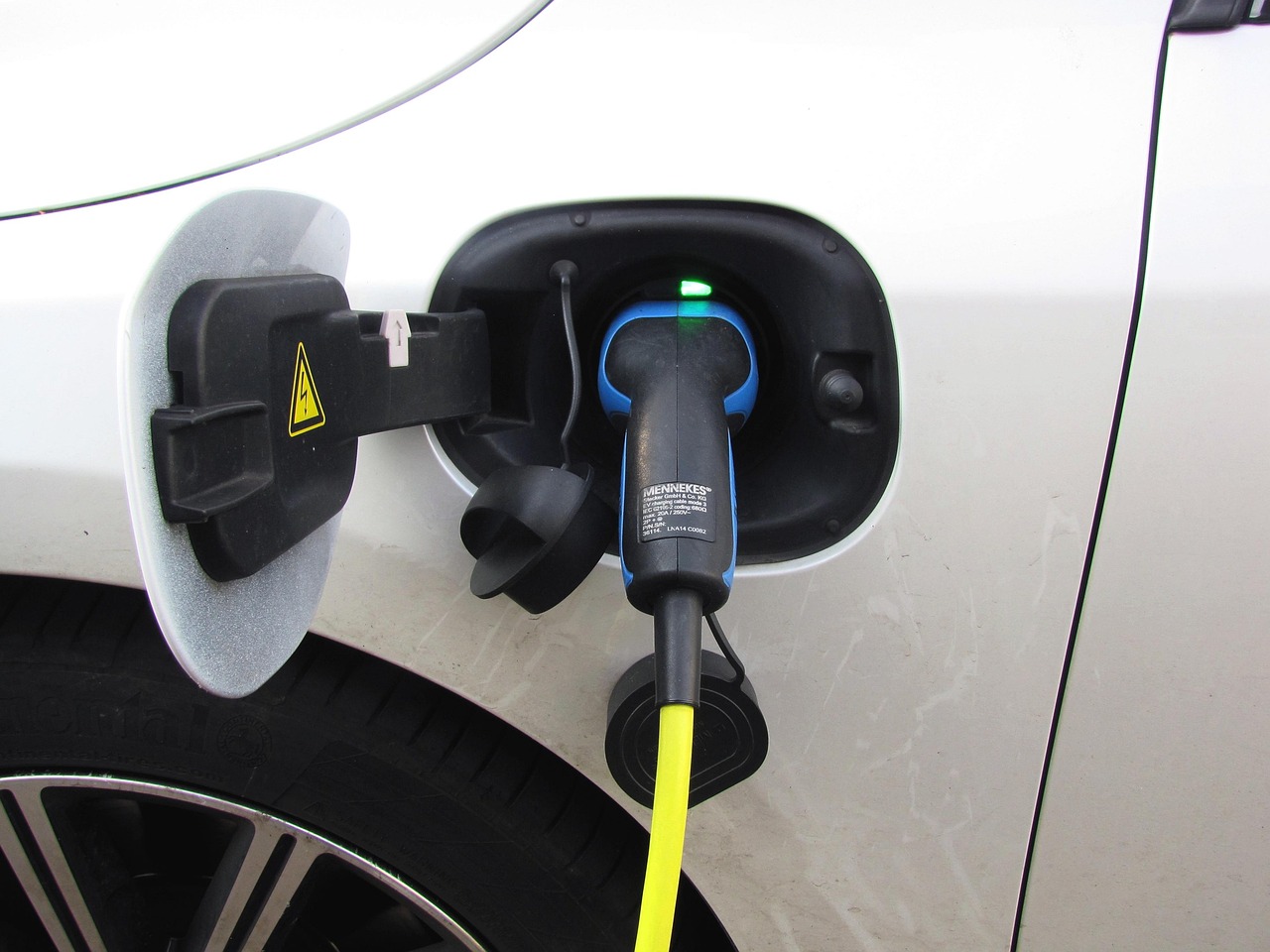
That gap is now the centre of the argument. Plug-in hybrids such as the BYD Seal U DM-i illustrate why: they offer electrified driving and low official fuel consumption, but because they still carry a conventional powertrain, they sit outside the scope of the existing BEV-specific trade defence tools. If the EU opens a safeguard investigation, it could widen the net to capture those vehicles, potentially applying higher duties across the board rather than targeting a single manufacturer.
Voluntary export restraints — where an exporting country agrees to limit shipments to avoid formal measures — have long been a preferred diplomatic off-ramp in trade disputes, because they allow both sides to avoid the appearance of a trade war. Beijing’s refusal to take that route has pushed Brussels toward a more institutional, and more confrontational, mechanism. The fact that talks are underway in Beijing suggests neither side has abandoned the possibility of a negotiated settlement, and a safeguard file can be suspended or softened if an agreement emerges.
For European carmakers, the outcome matters on two fronts. Hybrids are a crucial part of their own product plans as they manage the transition away from pure combustion, and cheaper Chinese competitors in the same segment would add pressure on pricing and factory utilisation. At the same time, an escalation into broader trade restrictions carries risks for European manufacturers that rely heavily on the Chinese market, which is likely one reason the Commission has kept the door open to talks. The coming weeks will indicate whether the safeguard procedure becomes a real tariff threat or remains a bargaining chip.
What do you think?