
Private Bus Operators Hold the Key to India's Electric Shift, World Bank Expert Argues
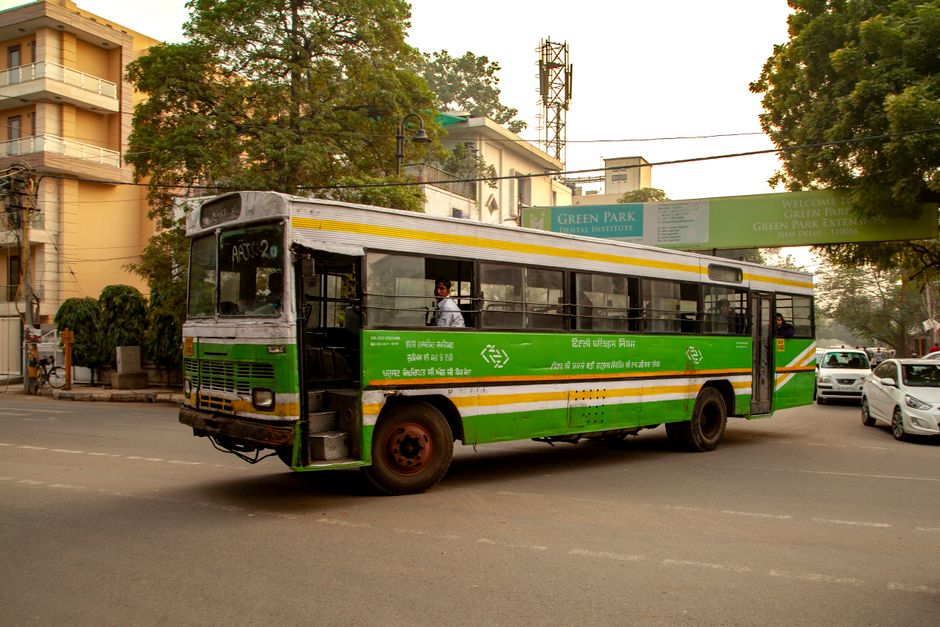
India’s push toward zero-emission buses has leaned heavily on public transport agencies, but a World Bank specialist suggests the real transformation will only arrive when private operators step up. Speaking on the country’s bus electrification challenge, the expert pointed out that public fleets make up just a small slice of the overall market — roughly 8 to 10 percent. The remaining share, about 90 percent or some 1.6 million vehicles, sits in private hands.
That imbalance matters because it means government-led procurement, however ambitious, can only take the country so far. Public tenders and state-run fleets have generated headlines and early momentum, yet they touch only a fraction of the buses actually on Indian roads. Without private-sector participation, the emissions and fuel-consumption benefits of electrification remain confined to a narrow segment of passenger transport.
The expert’s remarks highlight a structural gap in India’s clean-transport strategy. Private bus operators — running intercity routes, employee shuttles, tourist services and school transport — face different economics from public agencies. Higher upfront purchase costs, uncertain charging access and lack of familiarity with battery-electric technology can all slow their decision-making, even when lifetime running costs look favourable.
One promising avenue, according to the World Bank perspective, is school bus fleets. Educational institutions often run predictable, fixed routes with defined daily mileage, making them well suited to electric operation and depot-based charging. If schools begin converting their fleets, the move could create visible proof points for other private operators and help seed the charging infrastructure that a wider transition needs.
The takeaway is that India’s bus electrification story is no longer just about public procurement targets. The next phase will depend on whether private operators — and the financing, charging and policy support around them — can be brought into the fold at scale. Until then, electric buses will remain a minority presence in a market still dominated by private diesel fleets.
What do you think?