
England Wants One Rulebook for Shared E-Bikes — Parking, Fleet Caps and Insurance on the Table
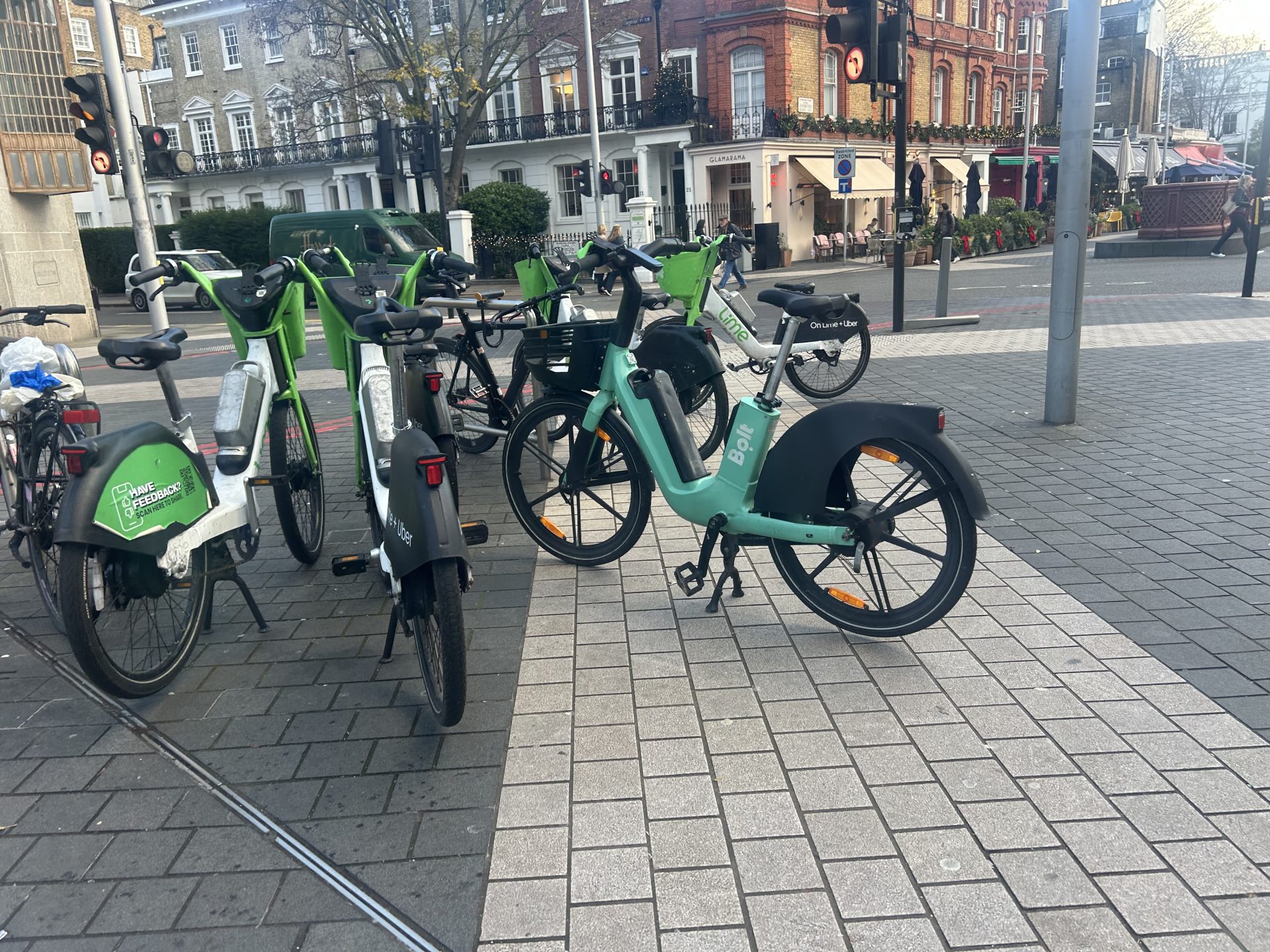
England is finally moving to replace its mishmash of local deals on rental e-bikes with a single national framework. A consultation opened on 5 November sets out the ground rules ministers want applied across the country — and leaves councils to enforce them through their own licensing powers.
That shift matters because shared bikes have so far operated in a grey zone: councils and operators quietly agreeing terms area by area, with wildly different results from one street to the next. The proposal would swap that patchwork for minimum standards covering parking, antisocial behaviour, fleet sizes and insurance.
What the government actually wants licensed
The proposals are broad but read like a checklist for the problems that have dogged dockless schemes for years.
- Parking: every shared cycle licence would have to include a formal parking plan, with compliance monitored against requirements drawn up locally.
- Antisocial behaviour: operators would need a plan to tackle drink-riding, red-light jumping and similar misuse — with fines possible for illegal use.
- Fleet size: licences would fix vehicle numbers for the licensed area, with caps adjusted for seasonal demand or poor fleet management.
- Fleet management: deployment would have to stay dynamic, including minimum service levels in rural areas with thin transport links.
- Data and fees: councils could demand data-sharing and set their own fee structures, with ministers saying they have “no intention” of capping the revenue local leaders can raise.
Insurance is the open question. Operators already carry public and product liability cover, but the government is asking whether licensing should go further — potentially opening a route to compensation for people struck by someone riding a shared bike.
The numbers behind the frustration: 92% of blind and partially sighted people say street obstacles, including e-bikes, have forced them to step into the road.
That figure comes from the Royal National Institute of Blind People, whose policy head Mike Wordingham described dockless e-bikes as “heavy, fast, silent and unpredictable.” The charity welcomed the government’s recognition of the problem, though the practical test will be how strict local parking plans end up being.
Operators want caps that don’t strangle growth
Industry reaction has been broadly warm, if carefully worded. Lime chief executive Wayne Ting called the current patchwork “confusing for riders, councils and operators” and described the consultation as an important step. Bolt and Voi both backed consistent rules, with Bolt’s UK and Ireland public policy manager Georgia Heathman noting that 98% of its rides finish with a correctly parked bike.
The trickier argument is fleet size. Caroline Seton, co-founder of London operator Forest, warns that pulling caps back would limit the scheme’s growth and set the sector back. Her point: bike density and daily trips per bike rise together, because more bikes mean more reliable service and deeper commuting habits.
Forest chief executive Agustin Guilisasti framed it around London specifically, where roughly 350,000 shared e-bike trips happen every day. National standards plus a coherent citywide system, he argued, would be better for riders and — more to the point — for pedestrians.
A floor, not a ceiling
The consultation follows the English Devolution Bill passed earlier this year, which handed local authorities fresh licensing powers over rental e-bike operators. According to the Department for Transport, the emerging essential standards are meant to set a floor rather than a ceiling, so councils can still go further if they choose.
How that balance works in practice is unresolved. Consistent rules nationwide and local flexibility are not always comfortable bedfellows, and the consultation runs until 31 December 2026 — plenty of time for operators, councils and accessibility groups to fight over where the line sits.
Photo: Mikro-mobilite Sektörü (Zag Daily) · Official Press Kit / Editorial (Editorial / Press Kit)
Source: Mikro-mobilite Sektörü (Zag Daily)
What do you think?