
Dott Tests AI Cameras That Watch How Bristol Riders Behave
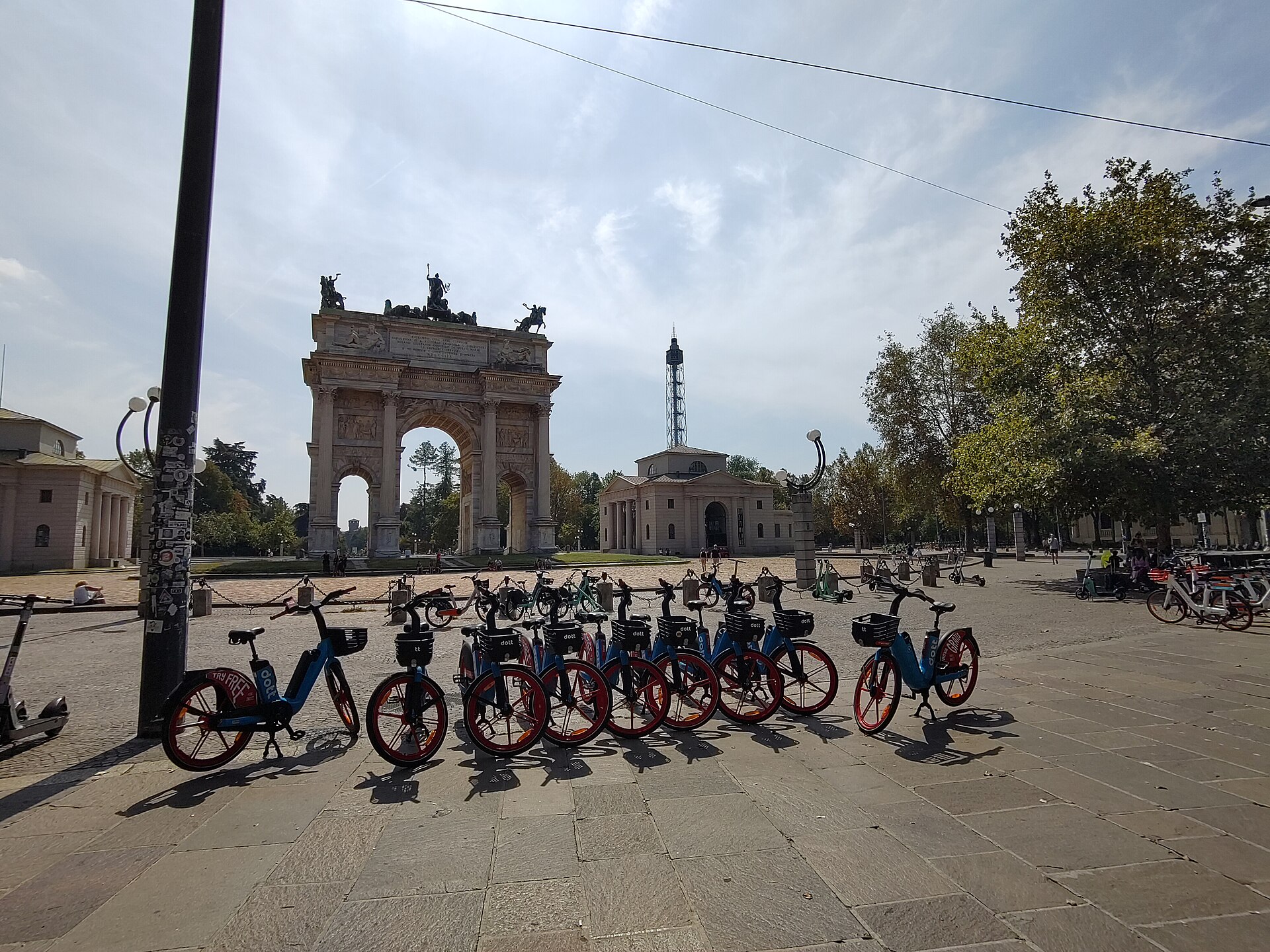
Dott has begun fitting AI camera modules to a small batch of its e-scooters in Bristol, turning the UK city into a live laboratory for watching how people actually ride.
The hardware comes from Nearhuman, a Bristol-based startup founded in 2024. Its ‘Scootrr’ module clamps onto the scooter’s stem and reads the road ahead as the ride unfolds — flagging kerb-hopping, close calls with walkers, potholes and hard braking. Everything is processed on the vehicle itself via edge AI, so no cloud link is needed to make sense of each frame.
The pilot is deliberately small. Dott has not said how many scooters carry the kit, and its UK and Ireland public policy lead Iqbal Ahmed describes it as “a focused, initial pilot involving a select group of vehicles” — a way to stress-test accuracy under real Bristol traffic before any wider decision.
What the module tracks: pavement riding · near-misses with pedestrians · road hazards · harsh braking and swerving · crash events with location and timestamp
Why GPS records fall short
Nearhuman founder and CEO Faizan Mir frames the product as a fix for a blind spot. Trip logs and location pings tell an operator where a scooter went, he argues, but not what the rider ran into or why they suddenly grabbed the brakes. Pairing a camera with motion sensing and positioning data fills in that missing context.
Some of that intelligence can be pushed straight back to the rider. Depending on how an operator configures the system, the module can signal the scooter’s controller to sound a warning or trim speed when it spots pavement riding or a pedestrian in the path.
For Ahmed, the immediate goals in Bristol are narrow: test how reliably the system catches pavement use, pedestrian near-misses and street hazards. The bigger prize, he says, is the street-level picture the data could hand to local councils — and, further out, to urban planning and junction design work.
Beyond safety: insurers, councils and resale
Nearhuman sees several paying audiences. Councils could use hotspot maps and crash records to target repairs. Insurers could lean on validated ride data to judge real operating risk when a claim lands. Fleet owners might fold usage evidence into resale valuations alongside maintenance histories.
The startup raised £350,000 in pre-seed funding to pursue this, and has also picked up support from Innovate UK to work on new AI and foundation-model research. Its founder built a drone at 14, and the company’s wider ambitions stretch into robotics, drones and automation.
Other operators are already in conversation. Nearhuman has done technical work with Voi, Pure Electric and Supersmith, though those relationships sit at varying stages — development, testing and deployment. London-based Ayni is also looking at what the technology could add to its e-mobility intelligence platform.
On-street use remains UK-only for now. Mir is careful not to overpromise: no deployment deals are signed for other British or international markets, and Bristol comes first. If the numbers hold up, Dott says expansion across its wider fleet — and into other UK or European cities — is genuinely on the table. Until then, the data does the talking.
Photo: Marcuscalabresus · Wikimedia Commons (CC BY-SA 4.0)
Source: Mikro-mobilite Sektörü (Zag Daily)
What do you think?