
Also Shelved Its Kenya E-Moto Pilot to Chase Autonomy Faster
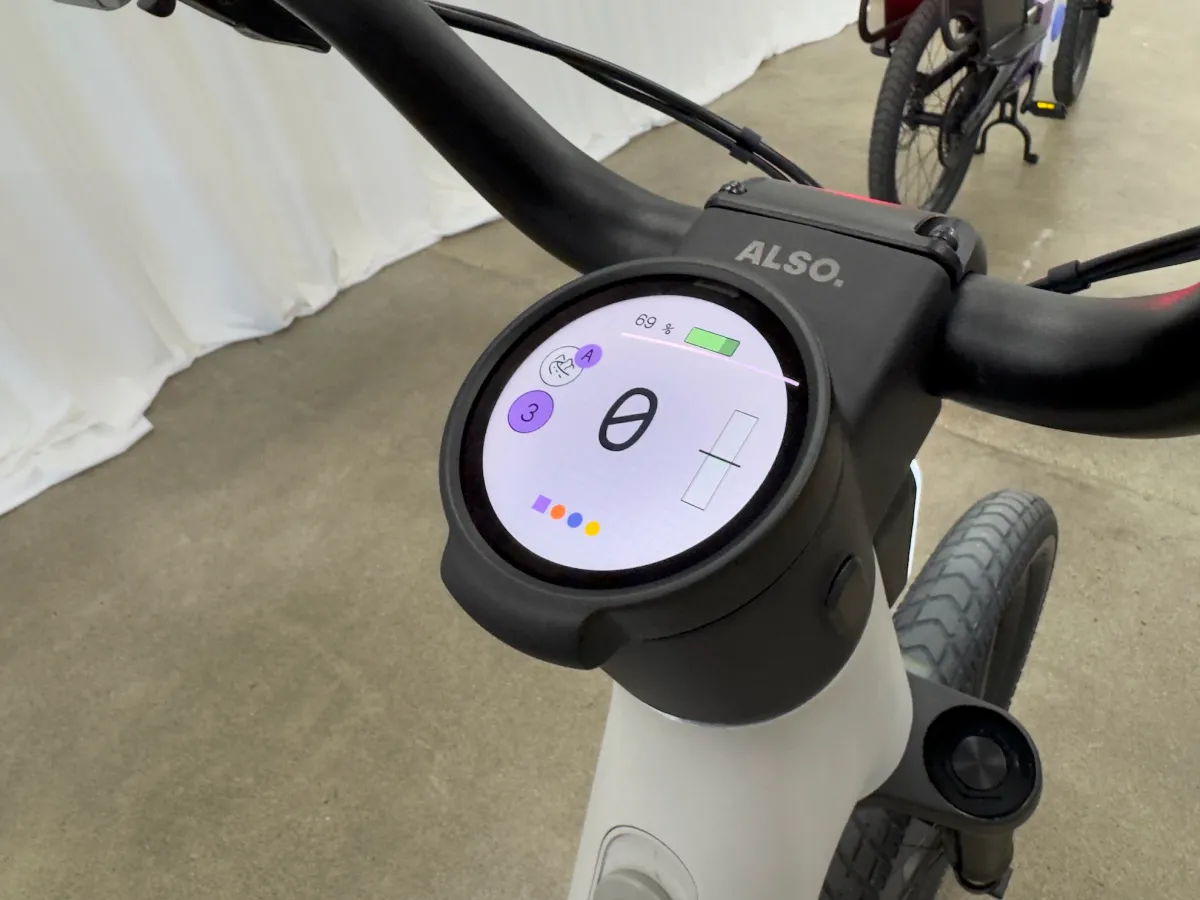
Also, the micromobility company that broke away from Rivian in 2025, quietly launched an electric two-wheeler pilot in Kenya this year — then pulled the plug to keep its engineering muscle trained on consumer e-bikes and self-driving small vehicles.
The decision surfaced through reporting by TechCrunch, which also found that the Kenyan effort had been backed by grant money from the Shell Foundation, the independent charity set up by oil major Shell plc. A page describing the initiative has since vanished from the foundation’s site.
What the Kenya Project Was Meant to Do
According to that now-deleted material, the pilot aimed to help global manufacturers enter Africa’s EV market with less risk by testing a locally built electric two-wheeler platform in Kenya, with an eye on scaling into East Africa.
Also’s share of the work reportedly covered modular battery concepts, distributed charging, and a motorcycle designed specifically for African riders.
The market logic isn’t hard to follow. Two-wheelers dominate transport across much of the continent, and operators are already scaling fast. African mobility firm Spiro says it runs more than 130,000 electric motorcycles across seven countries alongside roughly 2,500 battery-swapping stations — a boom that has pulled in Chinese players and outside capital alike.
Still, Also says the project never got far. In a September email, the company described it as something it had “explored” with a partner it declined to name, adding that only early-stage work was completed before leadership chose to concentrate on the core roadmap.
The grant money, according to Also, will stay with the project to fund its continued development. The company wouldn’t elaborate.
The Shell Foundation, for its part, said the pilot was designed to gather evidence on rider income gains, real-world operational performance, and whether the business case holds up — giving the company a sharper read on the market. Asked for details, the charity cited a nondisclosure agreement with Also and declined. The web page disappeared a few days later.
Autonomy Won the Internal Argument
Speaking at TechCrunch Disrupt last month, co-founder and president Chris Yu said the Kenya idea originally fit Also’s broader thesis: small, purpose-built vehicles optimized first for cost and for the specific job a given market needs done.
Other work simply crowded it out — above all the small autonomous vehicles Also is developing through its partnership with DoorDash.
Yu framed the call as a matter of tempo. The urgency surrounding autonomy convinced the team that near-term attention was better spent entirely there, he said, adding that he expects self-driving to arrive earlier and at wider scale in small purpose-built machines than in passenger cars.
“We piloted and ultimately decided, largely because of just urgency and pace around autonomy, frankly, that our attention would be best, in the near term, served fully focused.”
A Bumpy First Year on Its Own
The Kenya exit lands in a rough opening chapter for Also as an independent company. Supply chain trouble pushed back deliveries of its debut product, the premium TM-B e-bike, again and again — and reservation holders heard little about it for much of 2026.
Yu is blunt about that failure. The company communicated poorly through the summer while customers waited, he said, and it took public criticism to force a change.
He frames the pushback as valuable rather than painful: earning people’s attention is hard, he argued, and their feedback helps the company sharpen the product. Also has since improved its updates enough to win back some goodwill on Reddit.
The TM-B finally began reaching customers in early October. No single fault caused the delays, according to Yu — instead the team spent the year chasing one supply problem after another, made harder by the bike’s complexity. He calls it, roughly, a computer on wheels.
At one stage Also was bidding for the same raw materials used in printed circuit boards for AI data centers. At others, certification hurdles with various agencies slowed progress. New obstacles appeared almost weekly, which made honest timelines hard to publish.
Early owners haven’t had a spotless experience either, with reports of damage in transit and noticeable battery drain.
What Comes After the E-Bike
Getting the TM-B launch steady matters because Also’s ambitions run well past consumer bikes. The company intends to sell commercial cargo bikes — including four-wheeled versions — to buyers such as Amazon, and its DoorDash tie-up is already in place. Those lines sit next in the pipeline and, by Yu’s reckoning, carry larger revenue potential.
For now, though, the TM-B is the product the public actually sees, and its unusual design has drawn plenty of stares. Whether Also can convert that curiosity into trust — after a year of silence and a quiet retreat from Africa — is the open question.
Photo: Also / TechCrunch - Transportation · Official Press Kit / Editorial (Editorial / Press Kit)
Source: TechCrunch - Transportation
What do you think?