
Xpeng Names Its Robotaxi 'Yoyo' as Guangzhou Trials Pass 2,000 Rides
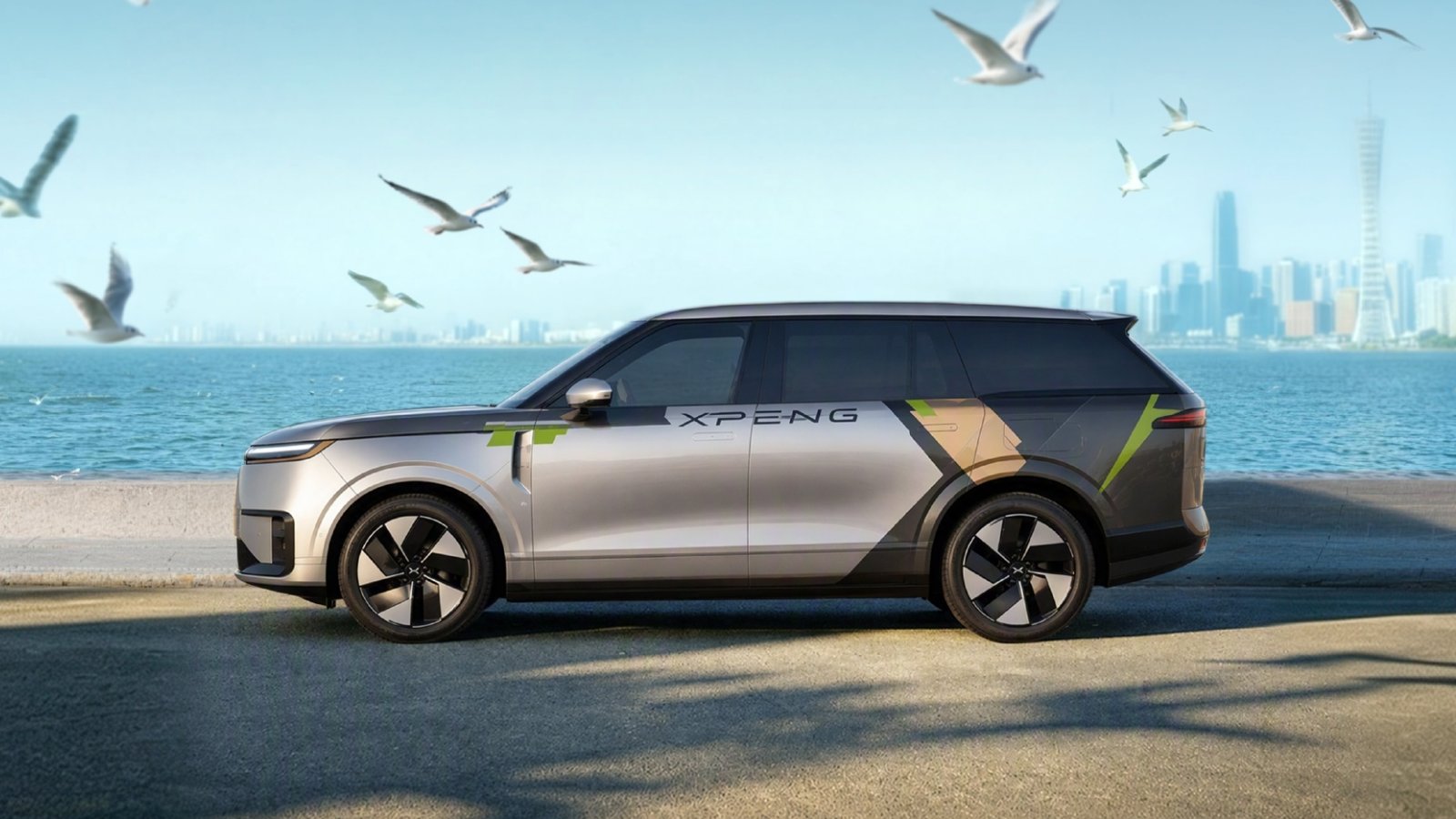
Xpeng has settled on a name for its self-driving taxi: the Xpeng Yoyo. The Chinese automaker revealed the branding Thursday on Weibo, framing the moniker as a nod to effortless, unhurried travel, while noting that the English spelling travels easily across markets — a signal that the company views the project as a global proposition rather than a domestic experiment.
The reveal follows months of groundwork in Guangzhou, where Xpeng says its factory-produced robotaxis have now logged over two thousand trial trips with passengers aboard. Chairman and CEO He Xiaopeng shared that figure during an August earnings call, describing the runs as a full rehearsal of the passenger-service workflow, from hailing to drop-off. The company has also finished building a cloud-based system that lets remote operators take control of a vehicle when needed.
The hardware underneath the Yoyo leans on Xpeng’s flagship GX SUV. Engineered to Level 4 autonomy standards, the vehicle relies solely on cameras — no LiDAR, no high-definition maps — and carries four of the company’s in-house Turing AI driving chips, together rated at 3,000 TOPS of effective compute. Decision-making falls to Xpeng’s second-generation Vision-Language-Action model, known as VLA 2.0.
Xpeng’s roadmap calls for passenger operations without a safety driver on board in 2027. To reach riders at scale, the company intends to team up with established mobility platforms both inside China and abroad, monetizing through vehicle sales, technology services and a cut of operating revenue. The carmaker has said it will open a robotaxi software development kit, with Amap signed on as its first global ecosystem partner.
The timeline has moved briskly. Xpeng went public with its robotaxi ambitions in November 2025, started regular road testing the following January, drove a mass-produced unit off the line in May and began internal ride trials in July — an eight-month sprint from announcement to real-world testing, according to He. The CEO has cautioned that scaling the service will be a lengthy undertaking, with continued work needed on safety, passenger comfort and the system’s handling of unfamiliar situations. Xpeng has not yet said when the public will be able to book a Yoyo, or how many vehicles it expects to deploy.
What do you think?