
When 'Public' EV Chargers at Dealerships Aren't Really Public — And Why It Matters
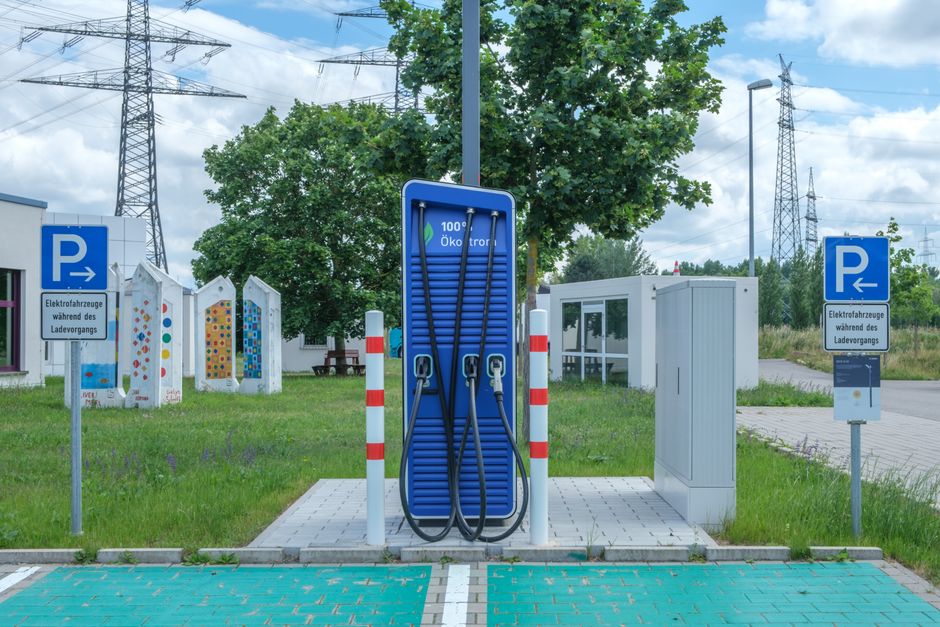
Electric vehicle drivers who open a charging app for the first time often see thousands of chargers listed as “public” at local car dealerships. But once they arrive, reality sets in: the store’s own customers take priority, the gates are locked outside business hours, and the pricing can be wildly unpredictable. What should be a simple charging stop can quickly become a frustrating ordeal.
That frustration carries a heavier cost for newcomers to electric driving. A bad experience doesn’t just make the dealership look bad — it sours the driver on the EV itself, at exactly the moment when confidence in the technology is still forming. Fixing this mismatch between how chargers are advertised and how they actually operate is essential if the industry wants first-time buyers to stick around.
The problem is not isolated. Reports continue to surface of Hyundai dealerships in the Detroit area attaching steep fees to charging sessions, with one store recently billing a driver $418 — following an earlier case involving a $400 charge at another area Hyundai dealer. Those numbers stand out sharply against the routine expectation of a modest public charging stop.
For EV adoption to keep growing, “public” needs to mean public. Transparent pricing, clear access rules, and realistic availability data would go a long way toward turning these stops from a source of frustration into a normal part of the driving experience.
What do you think?