
Waymo Names Toronto Its First Canadian Market, With Paying Riders Slated for 2028
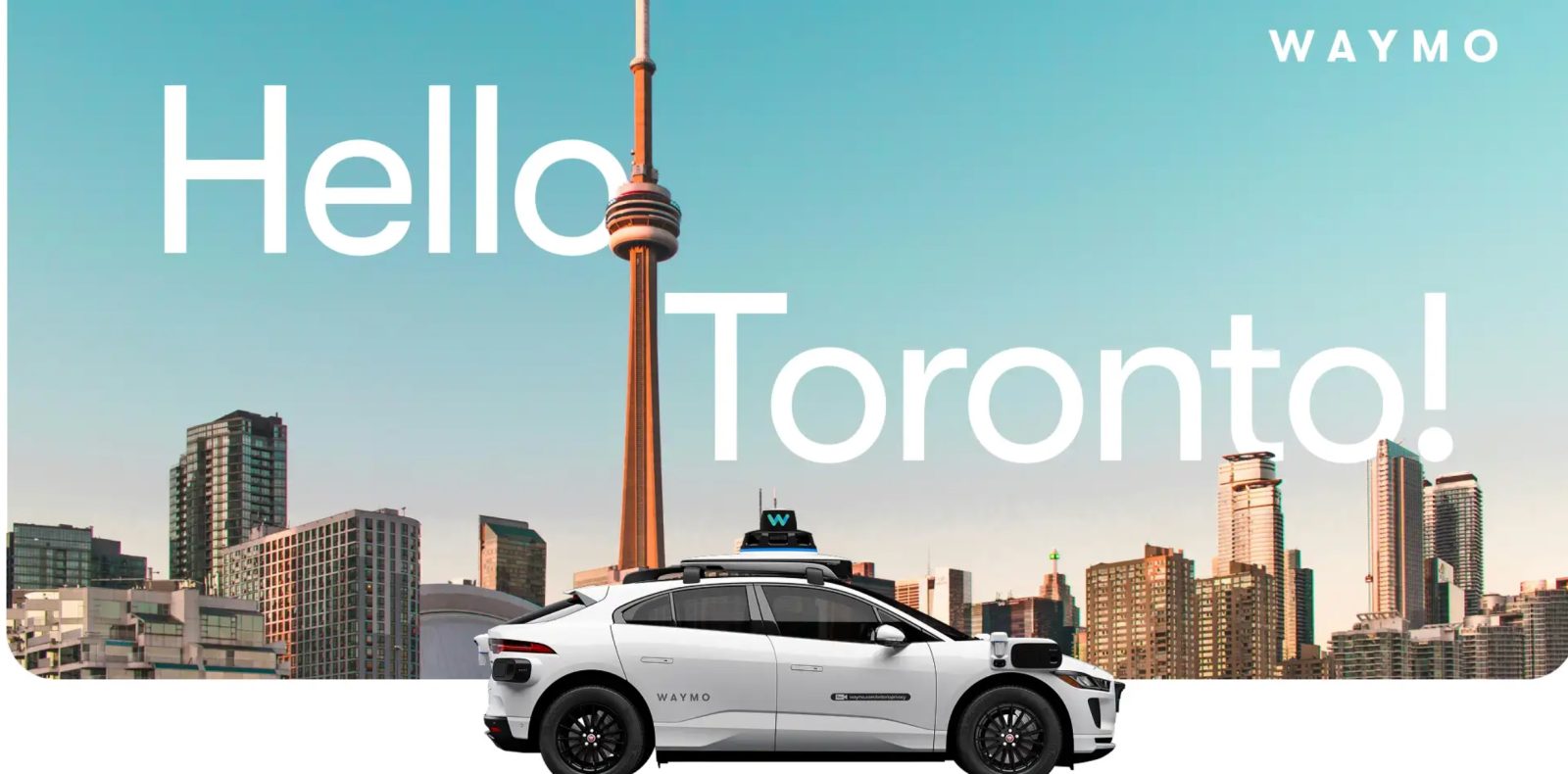
Waymo has chosen Toronto as the debut city for its Canadian robotaxi ambitions. Vehicles will begin appearing on the city’s streets within days, but the company is giving itself a long runway: the first paying passengers aren’t expected until 2028. That timeline places Toronto alongside London, Tokyo and Singapore as announced non-US markets — though Ontario’s regulatory picture is far less settled than the company’s plans.
- Manual phase first: As in every new market, Waymo’s cars will initially be operated by trained specialists who will chart the city in detail and put the driving software through its paces before any passenger rides without a human aboard.
- Fleet partner lined up: Toronto-headquartered Element Fleet Management will handle fleet operations end to end, while existing backers the Canada Pension Plan Investment Board and manufacturing ally Magna International round out the Canadian ties.
- Jobs as a condition: Waymo says its partners will create “hundreds of roles” in maintenance, validation driving, customer service and operations — a pointed assurance given that Mayor Olivia Chow’s office previously told local media it would not back the service if it cost Toronto jobs.
- Regulatory gap: Ontario has permitted automated vehicle testing since 2016 and driverless testing since 2019, but the governing pilot regulation is set to be revoked in October 2027 — months before Waymo’s target — and no replacement has been announced. Ottawa has likewise indicated that self-driving operations on public roads remain confined to provincial pilot programs.
Why It Matters
The 2028 target is as much a deadline for Queen’s Park as it is for Waymo. Before revenue rides can happen, Ontario must convert a temporary testing framework into something resembling a commercial licence for driverless service. If the pilot lapses without a successor regime, Canada’s largest city could find itself watching London and Tokyo deploy robotaxis first.
Waymo’s confidence rests on its American track record: more than 400 million fully autonomous kilometres driven and a claim that its vehicles are involved in 95% fewer crashes resulting in serious injury or worse than human drivers in the cities where it operates. Toronto, however, offers a genuinely new test. The city’s slush, road salt and freezing rain are precisely the conditions the extended mapping and validation period is designed to probe — the company markets its system as all-weather capable, and Canadian winters will put that description under scrutiny. Denver’s snowy streets provided an early proving ground, but Toronto’s climate is a stiffer challenge.
For riders, the practical takeaway is patience: Toronto will see Waymo hardware on its roads long before it sees a fare-paying passenger in the back seat, and the intervening winters are the point, not a delay to be resented.
Meta description: Waymo will start mapping Toronto within days, aiming for its first paying Canadian riders in 2028 — but Ontario’s driverless rules expire before then.
Source: Electrek
What do you think?