
Autonomous Mobility Roundup: Uber Rebuilds Robotaxi Unit, Waymo Eyes Its Own App
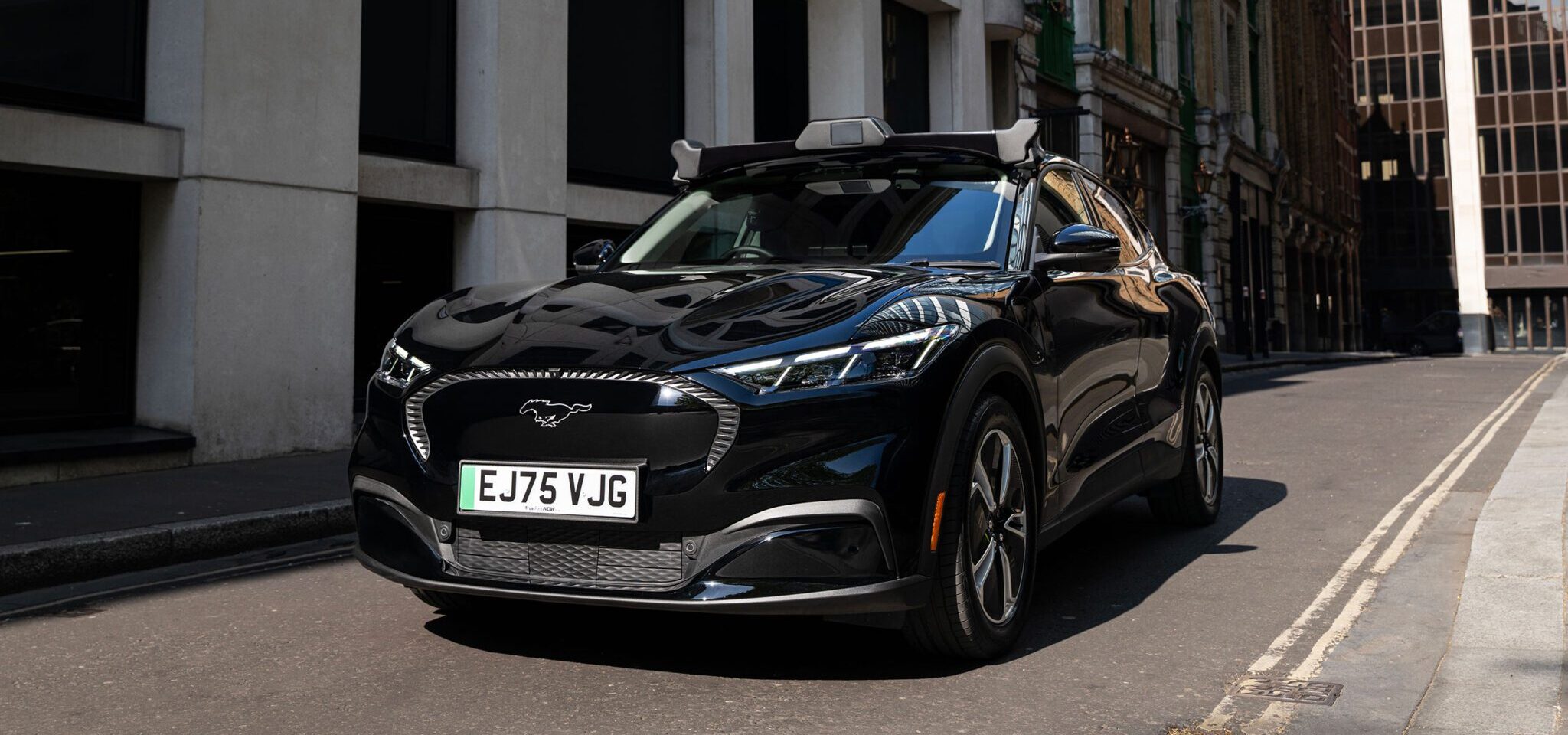
Uber is reshuffling its robotaxi division, placing a new emphasis on operations after the company lost several of the dealmakers who had helped assemble its autonomous partnerships. The reorganization reflects a shift in priorities as one of its most important collaborators, Waymo, moves closer to competing directly with Uber through its own customer-facing app. How far Uber’s remaining autonomous deals can run may ultimately hinge less on technology than on regulation, which could determine the pace and reach of those arrangements.
Attention also turned to safety oversight this week. NHTSA has opened a file examining claims that Tesla robotaxis are speeding through school zones, adding another layer of scrutiny to the company’s autonomous testing. In commercial trucking, the FMCSA has cleared any Level 4 carrier to replace traditional warning triangles with electronic beacons, a rule change that quietly modernizes roadside safety equipment for highly automated fleets.
On the deployment side, Xpeng has opened public sign-ups for its Yoyo robotaxi, with partner companies operating the fleets rather than Xpeng running them directly. The partner-led model mirrors a broader industry pattern in which automakers supply vehicles and technology while third parties handle day-to-day fleet management.
Taken together, the developments point to a sector where the competitive lines are still being drawn. Ride-hailing platforms, robotaxi developers, regulators and fleet operators are all jockeying for position, and the coming months could clarify who controls the customer relationship — and who is left supplying the hardware.
The brief is part of a weekly series tracking the forces shaping autonomous mobility.
Source: Automotive World
What do you think?