
Volvo Taps Nvidia for Hands-Free Point-to-Point Driving, Targeting 2030 Launch
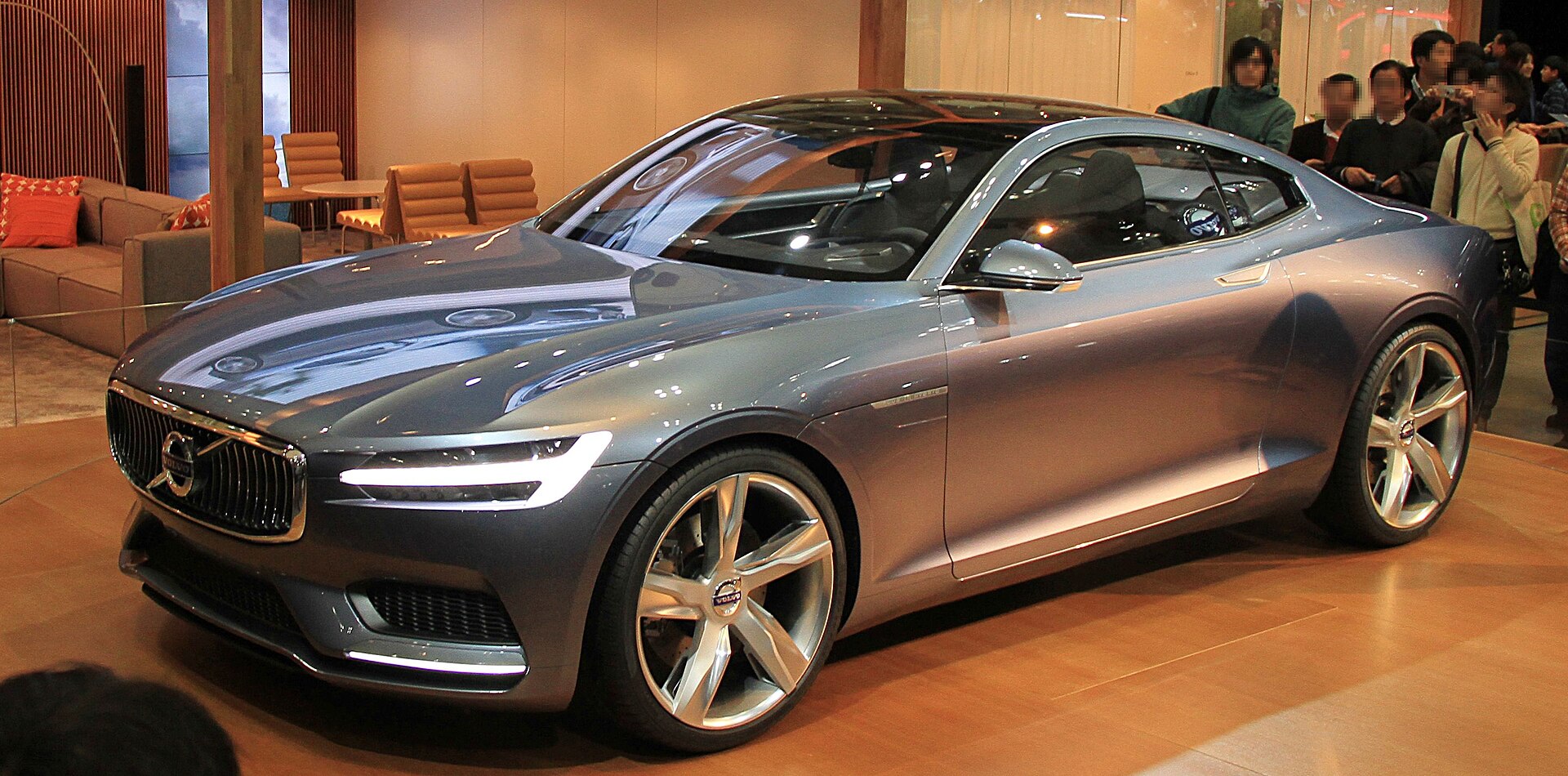
Volvo has announced it will bring a hands-free, point-to-point partially automated driving system to market before 2030, relying on Nvidia’s autonomous driving stack to make it happen. The Swedish automaker, owned by China’s Geely, says the new setup will sit at what it calls Level 2++ — a tier of driver assistance that can negotiate complex urban scenarios such as traffic signals, stop signs, and unprotected left turns with the driver’s hands off the wheel. That places it in the same conceptual space as Tesla’s Supervised Full Self-Driving, which Volvo’s system will broadly resemble in function.
At the heart of the effort is Nvidia’s Hyperion platform, combining the chipmaker’s high-performance compute silicon with a suite of sensors positioned around the vehicle so it can perceive its surroundings. Volvo will also lean on Nvidia’s Alpamayo software, which uses reasoning models to interpret tricky road conditions and decide when to steer, brake, or accelerate. Notably, lidar is not part of the initial hardware plan, though Volvo has left the door open to adding the laser sensor later.
For Volvo, the announcement represents a course correction after earlier setbacks. The company had to shelve its Ride Pilot Level 3 unsupervised system in the United States when it could not secure regulatory clearance, and a planned lidar rollout was abandoned after supplier Luminar collapsed. Volvo is now hoping to pair its longstanding safety reputation with Nvidia’s AI expertise. According to Alwin Bakkenes, Volvo Cars’ head of global software engineering, the automaker is contributing proprietary driver-understanding systems that analyze driver behavior in far greater detail than conventional monitoring setups. “Safety is synonymous with trust,” Bakkenes said, framing the brand’s safety identity as central to how customers will judge the technology.
Volvo also brings its connected safety technology into the mix, allowing its cars to share information about hazards and road conditions ahead — including roadworks — which could extend the system’s awareness well beyond what a single vehicle’s sensors detect. Volvo says the feature will eventually be offered across its lineup, from entry-level models to range-topping trims, though it has not said which vehicles will receive it first. The timing remains deliberately loose: Bakkenes would only commit to a launch “before the end of the decade.”
Nvidia, for its part, sees bigger commercial stakes. Ali Kani, VP and general manager of the company’s automotive team, suggested that point-to-point driving could prove more valuable than highway-only assistance, and described the Volvo partnership as a way to help the automaker build ongoing software-based business offerings. The gap between promise and reality remains wide — rival Mercedes-Benz recently introduced an Nvidia-powered system on its all-new CLA sedan — but Volvo and Nvidia are betting that city-capable, hands-free assistance is the next frontier buyers will pay for.
What do you think?