
VW's Low-Cost EV Push Hits 150,000 Orders in Europe, But Global Headwinds Loom
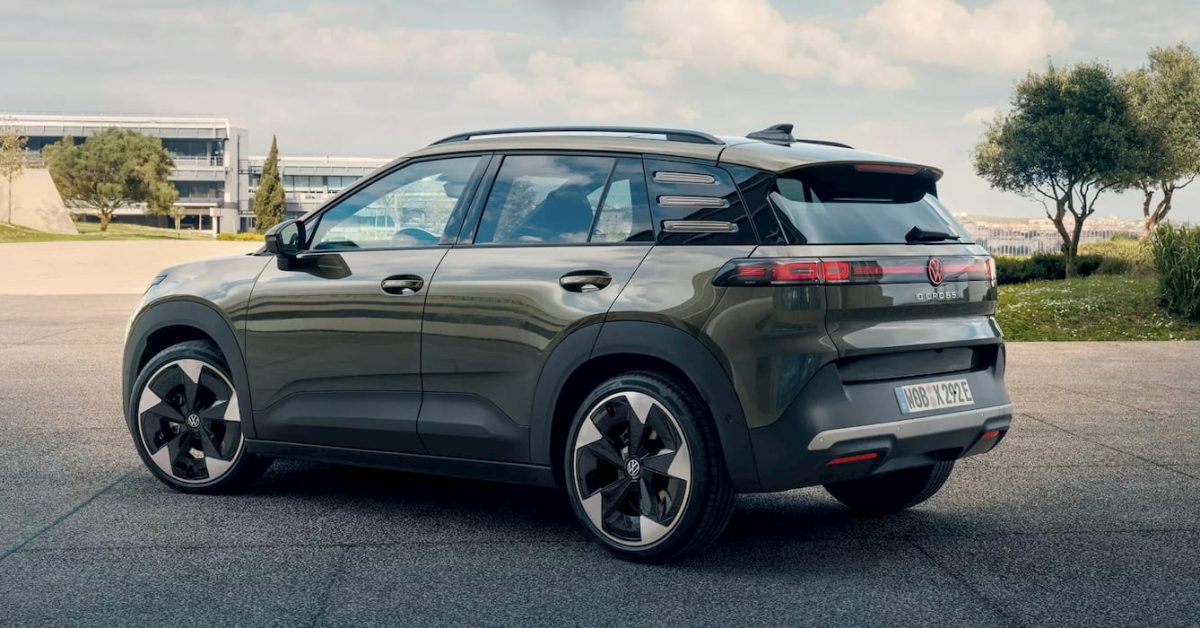
Volkswagen’s gamble on affordable electric cars appears to be finding traction in Europe. The German automaker’s newly launched Electric Urban Car Family has amassed close to 150,000 orders since series production kicked off in June, according to group sales chief Martin Sander. The lineup, which shares a common platform, spans the Volkswagen ID. Polo and ID. Cross alongside the Cupra Raval and Skoda Epiq.
The timing matters. Sander attributes the surge in buyer interest to a mix of elevated fuel costs and the arrival of genuinely entry-level EVs. In Germany, pure-electric orders have now overtaken those for combustion-engine cars, a notable milestone in the home market of Europe’s largest auto industry. The ID. Polo Trend, fitted with a 37 kWh battery, starts at €24,995 and delivers a WLTP range of 334 km. The ID. Cross, the electric sibling to VW’s popular T-Cross, begins at €27,995.
The broader European picture also looks encouraging for the group. One in five vehicles delivered in the region during the third quarter was fully electric, while the order book share climbed to roughly 40 percent. Volkswagen Group handed over 209,100 EVs in Europe in Q3, a 20 percent gain over the same period in 2025, with EV orders jumping 60 percent year-over-year. Through September, the group delivered 586,100 all-electric vehicles in Europe, up 12 percent. Automobilwoche reported last month that VW is reshuffling production across several plants to keep pace with demand that has exceeded expectations.
Yet the global picture is far less rosy, and that is where the real question lies. Group-wide EV deliveries through the first nine months of 2026 totaled 678,700 units, down 5.4 percent from 717,700 a year earlier. The decline is driven almost entirely by China and the United States. In China, deliveries fell 42.5 percent to 48,900 EVs through September, though VW notes that locally developed models are starting to gain ground and electrified deliveries there rose about 30 percent in Q3. In the US, EV volumes collapsed 78.4 percent to just 14,900 units after the $7,500 federal tax credit expired and import tariffs took effect.
Volkswagen’s response on the product side includes ending ID.4 production in the US earlier this year; the ID. Tiguan will take its place in early 2027 as part of the next-generation electric lineup. On the cost side, the company’s supervisory board approved a Future Plan 2030 that calls for cutting up to 100,000 jobs globally, closing plants and trimming the vehicle portfolio. Total group deliveries across all powertrains reached 6.01 million units through September, down 9 percent year-over-year. The European order momentum is real, but whether it can offset steep losses in two of the world’s largest EV markets remains the central challenge.
What do you think?