
Volkswagen's Budget EV Lineup Is Winning Over Buyers
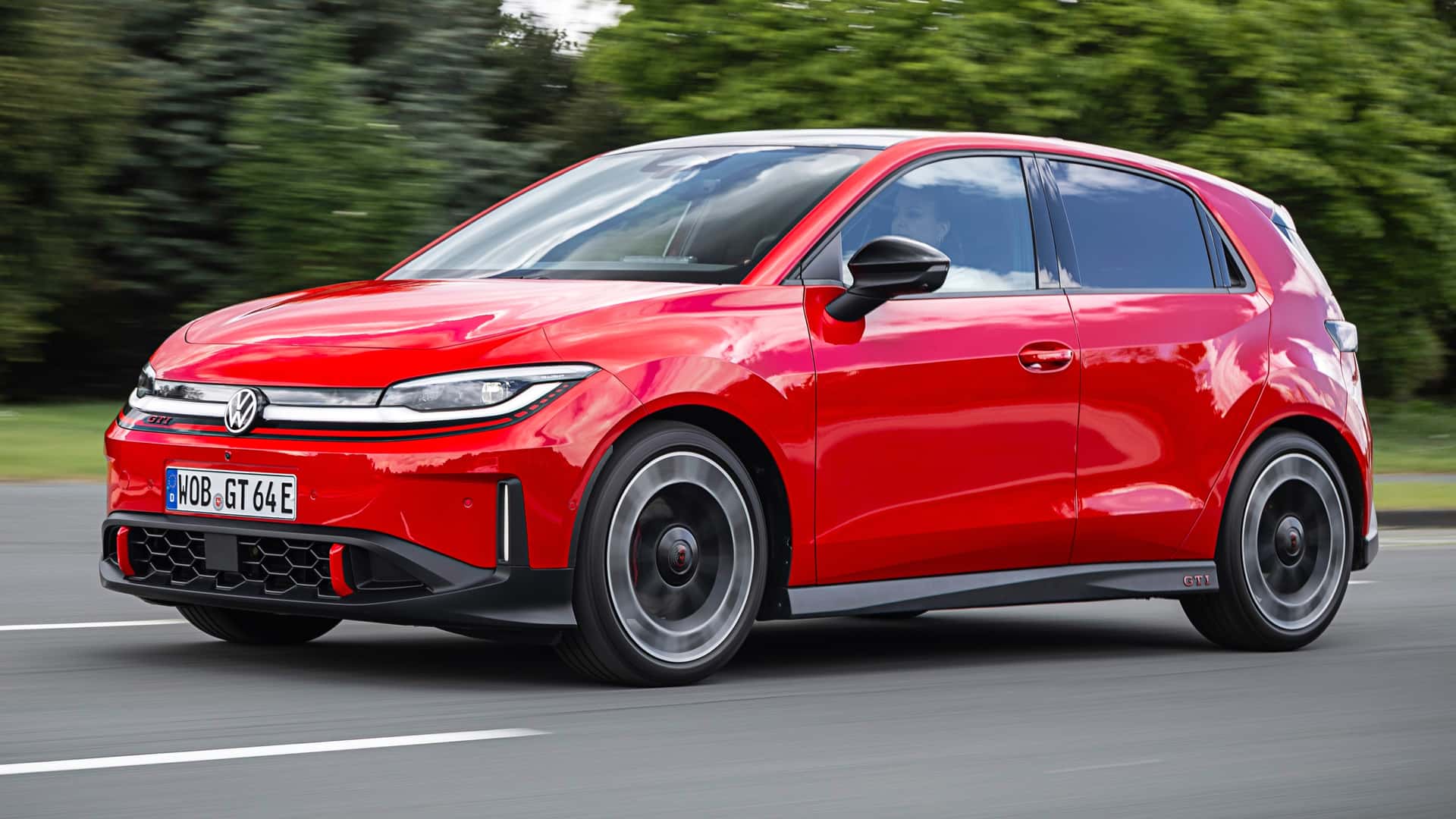
Volkswagen Group is finding that price tags, not brand loyalty, are what move electric cars off dealer lots. The company announced on Monday that its new MEB+ family of affordable electric vehicles has accumulated nearly 150,000 orders to date — a sign that lower sticker prices are translating into real demand.
That family, which Volkswagen calls the Electric Urban Car Family, spans the Cupra Raval, Volkswagen ID. Polo, Škoda Epiq and Volkswagen ID. Cross. Because the vehicles share roughly 80% of their components, including drivetrains and batteries, Volkswagen can field several distinct models across multiple brands and markets without running up huge development costs. Pricing for these entry-level EVs sits between 25,000 and 30,000 euros.
The strategy appears to be paying off in Europe. Volkswagen sold 209,100 EVs on the continent in the third quarter of 2026, a roughly 20% increase over the same period a year earlier. Martin Sander, the executive on Volkswagen’s Committee of Sales, credited high fuel prices and a broader spread of entry-level choices for the shift. “In our home market, we are seeing a significantly accelerated trend towards all-electric vehicles,” he said, pointing to the Electric Urban Car Family as a driver of interest alongside fuel costs.
Looking at the broader sales picture, Volkswagen Group moved more than six million vehicles worldwide between January and September 2026, with 678,700 of those being battery-electric. The cheaper models are clearly the ones drawing buyers: the Škoda Elroq tops the list at 92,200 units, followed by the Volkswagen ID.4/ID.5 at 81,900 and the Škoda Enyaq at 72,700. Only one premium offering, the Audi Q6 e-tron, reached the top five with 50,400 sales, and just three Audis appear in the top ten overall.
Not every region cooperated. The group’s sales slid 14.3%, with the sharpest pain concentrated in China, where third-quarter BEV deliveries fell 30.1% to 18,000 units. The U.S. was even weaker: just 5,100 BEVs sold, an 86.4% drop, with the ID.4 canceled and the ID. Buzz on an extended pause. Sander framed the overall picture carefully, noting that Volkswagen kept deliveries outside China stable through the first nine months despite a difficult market. With the incoming ID. Tiguan positioned to replace the ID.4, the company’s electric lineup could get a lift — and the success of its cheap EVs abroad raises the question of whether similar affordable options might eventually reach American buyers.
What do you think?