
Volkswagen Recalls Thousands of EVs Over Battery Risk, Asks Owners to Cap Charging at 80%
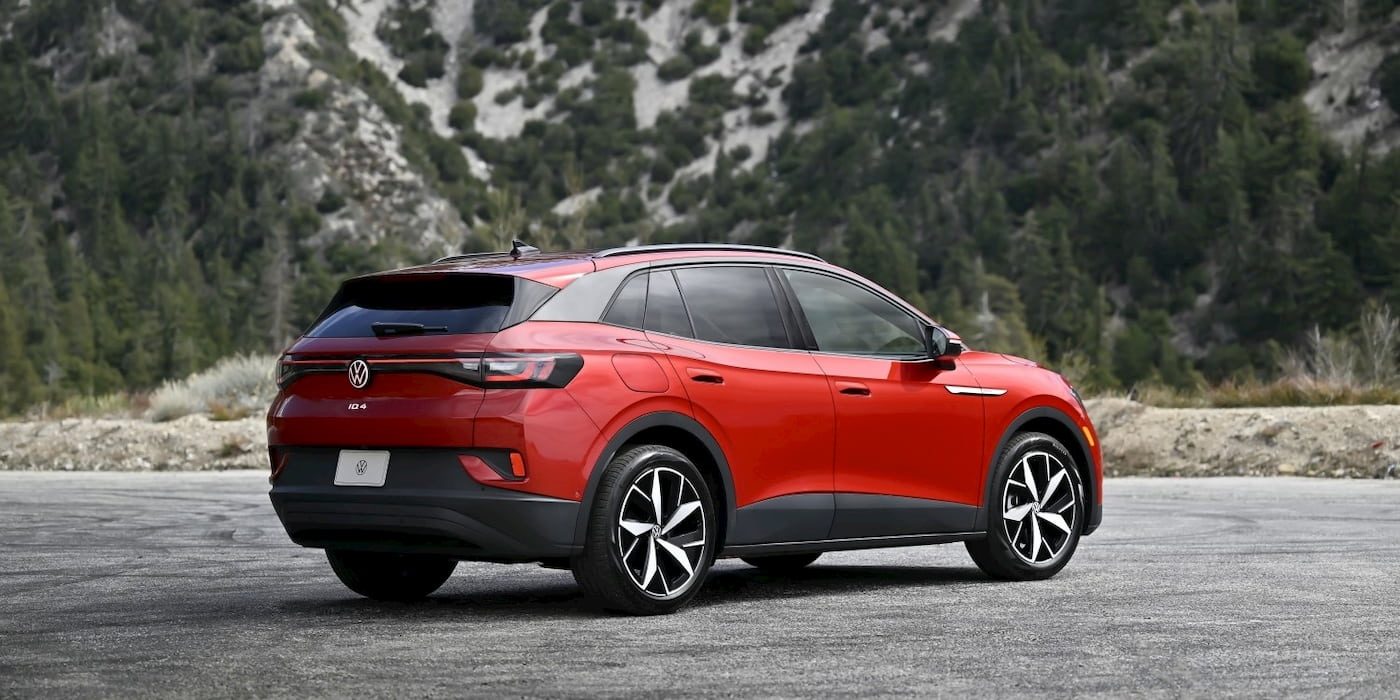
Volkswagen is pulling “several thousand” electric cars off the road for battery work, and the list stretches well beyond the United States. The ID.3, ID.4, ID.7 and ID. Buzz are all caught up in the action, along with the Cupra Born, according to a company spokesperson who spoke with the German business daily Handelsblatt. Build dates on the affected cars run from 2023 through 2026.
The trigger was an in-house quality audit. During that check, some high-voltage cells failed to clear the bar VW sets for them. The automaker still hasn’t pinned down the root cause, which is rarely a comforting sentence in a recall notice.
What Owners Are Being Told Right Now
Until a repair exists, VW wants drivers to stop at 80% state of charge. Charging beyond that threshold on certain models could set off what the company calls “thermal propagation” — industry shorthand for a fire spreading cell to cell inside the pack. That’s the scenario the charging cap is meant to keep off the table.
The US side of this is already on paper. Earlier this month VW filed a recall with NHTSA covering 22,524 ID.4 SUVs from model years 2023 to 2026. Between January 18, 2024 and August 7, 2026, the company logged 22 claims in the American market. Owner notification letters are scheduled to go out November 27, 2026, with a second round to follow once a remedy is ready. VW’s recall number is 93EX, and its customer line is 1-800-893-5298.
This isn’t VW’s first battery headache of the year. Nearly 100,000 EVs were recalled worldwide in an earlier campaign. The latest action grew out of a fresh field study covering vehicles that sat outside those previous recalls.
There’s also a supplier question hanging over the file. Volkswagen Group’s Product Safety Committee has asked SK Battery America for more detail on specific production dates and a possible clean date — essentially, when the suspect cells stopped being made.
Where Else the Recall Is Landing
The UK has its own recall in motion. Germany’s Federal Motor Transport Authority (KBA) had not yet published the full national particulars at the time of writing, so the German scope remains something of a moving target. Expect that picture to firm up in the coming days.
For owners, the practical takeaway is simple: keep the car plugged in less aggressively, watch for the letter, and don’t wait on it to ask questions if something about the battery feels off.
Source: Electrek
Curious how this compares to other EVs? Try our comparison tool →What do you think?