
Used EVs Finally Get Their Spotlight: Off-Lease Wave Meets Rising Demand
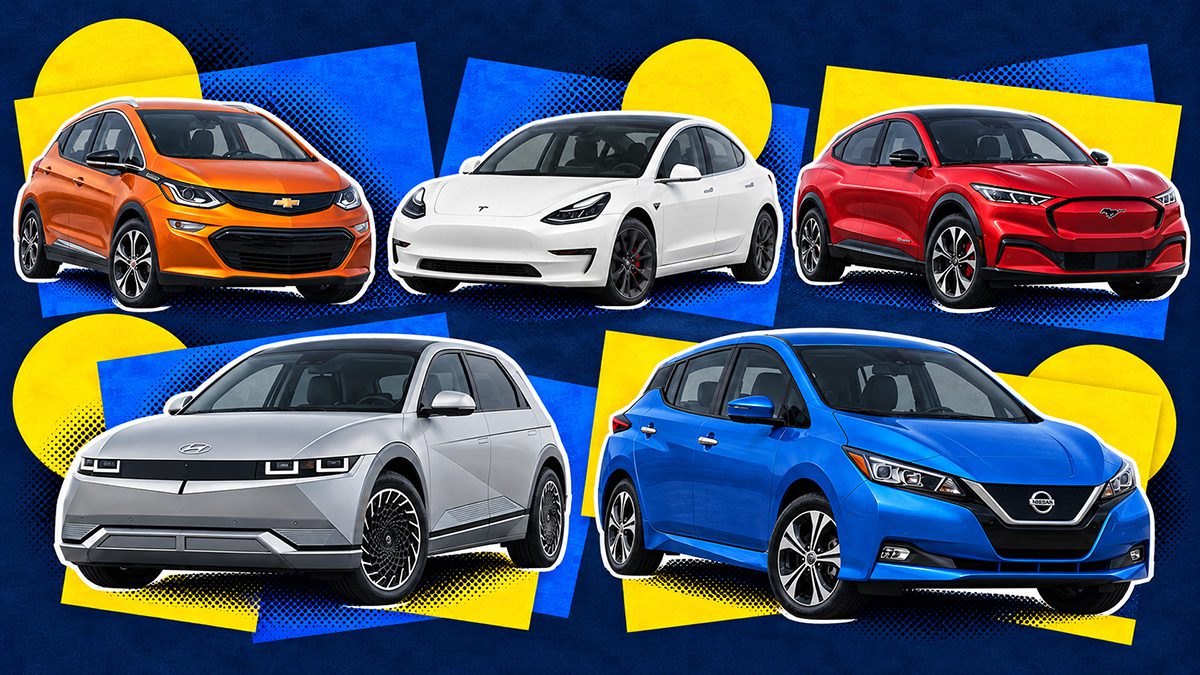
For years, the used electric vehicle market sat quietly in the shadow of splashy new-model launches. That dynamic is shifting fast. A surge of off-lease EVs is now flowing back into dealership lots just as fuel costs push more drivers to reconsider what powers their next car — and the result is a used-EV segment that suddenly looks like one of the most interesting stories in the industry.
The math behind the shift is hard to ignore. In the US, roughly 39 million used cars change hands annually, dwarfing the 15 to 17 million new vehicles sold each year. As the average vehicle on American roads ages past 12.8 years, according to S&P Global Mobility, buying a lightly used car carries far less stigma than it once did. EVs are now riding that broader tide. Data from Chargenomics shows the used share of total EV sales climbing from 19 percent in early 2024 to 32 percent in this year’s second quarter. During that April-to-June stretch, 364,000 EVs were sold — and nearly a third were pre-owned.
Two forces are driving the change. First, more than 600,000 EVs were leased between 2023 and 2025 to exploit the commercial-purchase provision in the IRA, and those three-year contracts are now maturing. Most of these vehicles have covered fewer than 30,000 miles, with some under 20,000. OffLeaseEV.com, a data site run by industry veterans, reports that lease-return volumes doubled from the first to the fourth quarter of this year alone, with over 100,000 freshly returned electric cars expected to reach the market between October and December. Even larger waves are projected for 2027 and 2028. Second, fuel prices have climbed sharply — up 40 percent or more in a matter of months — giving drivers a very tangible reason to look at plug-in alternatives.
The depreciation that frustrated early EV adopters is now working in buyers’ favor. Paul Waatti, Director of Industry Analysis at Autopacific, points out that the same value decline that hurt first owners can become a significant advantage for the second. Dealers have taken notice. Jimmy Douglas, founder and CEO of Plug, a supplier of used EVs to dealers, told Charged that 59 percent of used EV sales now flow through franchised new-car dealerships, up from 55 percent a month earlier. Cox Automotive data shows inventory rising — 44,000 active listings in August versus 37,000 in July — yet vehicles still sold in an average of 42 days, unchanged from February, even as total sales jumped 44 percent. Standouts include the Ford Mustang Mach-E at 20 days and the discontinued F-150 Lightning at 18. Tesla’s Model 3 and Model Y remain the volume leaders, while the Hyundai Ioniq 5, Kia EV6, Volkswagen ID.4 and Cadillac’s premium EVs also move briskly. All eight of the top-volume used EV models sell faster now than before the Iran War began.
Prices have responded accordingly. Cox Automotive reports that average used EV transaction prices rose 7.5 percent from February ($34,821) to August ($37,441), while listing prices climbed 8.2 percent year over year — against roughly 3 percent for combustion vehicles — widening the used-EV premium from 2.9 percent to 7.8 percent. Battery anxiety remains the biggest hurdle for shoppers, though researchers at Recurrent and analysts at Telemetry note that most EVs still retain at least 90 percent of original capacity even at 100,000 miles. Federal rules require at least eight years or 100,000 miles of battery-failure coverage, but a universal, standardized health metric still doesn’t exist — leaving many buyers relying on dealer assurances rather than hard data.
What do you think?