
EV Culture Wars Persist as Mainstream Coverage Still Gets the Basics Wrong
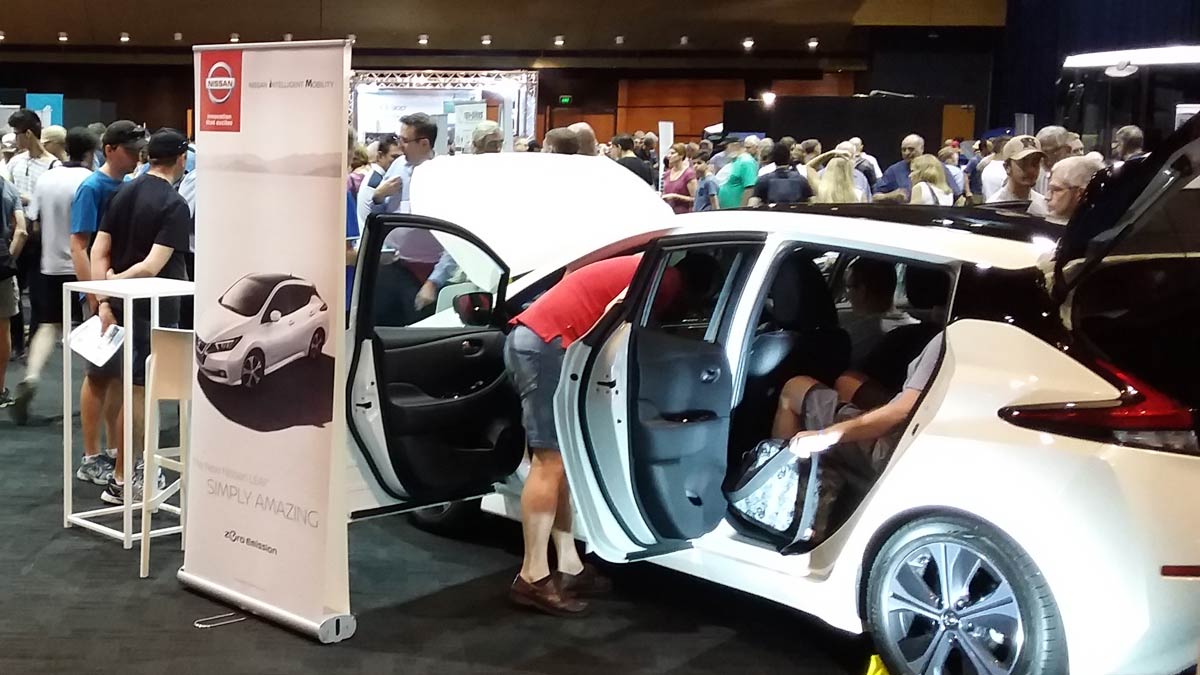
The battle over electric vehicles was supposed to be settled by now, yet familiar myths keep resurfacing in outlets the public tends to trust. A recent piece on an Australian car site revived a string of tired claims about range, charging and who should own an EV, most of which have been dismantled many times over.
The range argument is the most stubborn. The idea that battery electric cars only suit inner-city errands belongs to roughly 2012. While a handful of budget models still deliver modest figures around 220 km, most current EVs clear 400 km, and the longest-legged models now reach into the 600-800 km bracket. Drivers report that anything in the high 400s handles long road trips comfortably, including multi-state journeys using public fast chargers with barely any queueing.
The parking and charging objections follow a similar pattern. It is true that some inner-city residents lack off-street parking, but painting all apartment dwellers that way ignores the many who do have a space, and the growing toolkit of building-level charging options. Guidance now exists to help apartment owners install shared infrastructure, and public AC charging is expanding alongside local DC networks. Because modern EVs go further, a fortnightly top-up while doing the shopping is often enough.
Then comes the hybrid suggestion for outer-suburban commuters, which quietly concedes that most EVs already cover those distances with ease. For households with home charging, choosing a plug-in hybrid means paying inflated petrol prices for part of every trip rather than off-peak electricity for all of it, and studies suggest many PHEV owners rarely plug in anyway. If a full EV can do the journey without touching liquid fuel, the logic of the alternative becomes hard to follow.
The final target is Australia’s fringe benefits tax exemption for EVs. Critics call it a gift to the wealthy, but new cars have always been bought mainly by better-off households and fleets, with the rest of the market picking up second-hand vehicles later. The policy was built to speed that handover by pushing leased EVs into the used market sooner, and it also nudges fleet buyers away from oversized dual-cab utes. Few genuine EV incentives remain beyond scattered registration discounts, and grouping home battery rebates in with car policy simply muddles two different technologies with very different battery sizes.
The through-line in all of this is that lazy framing still sells. The culture war may have cooled, but recycled misinformation keeps finding a platform.
What do you think?