
University of Tennessee Electrifies Campus Waste Collection with McNeilus Volterra
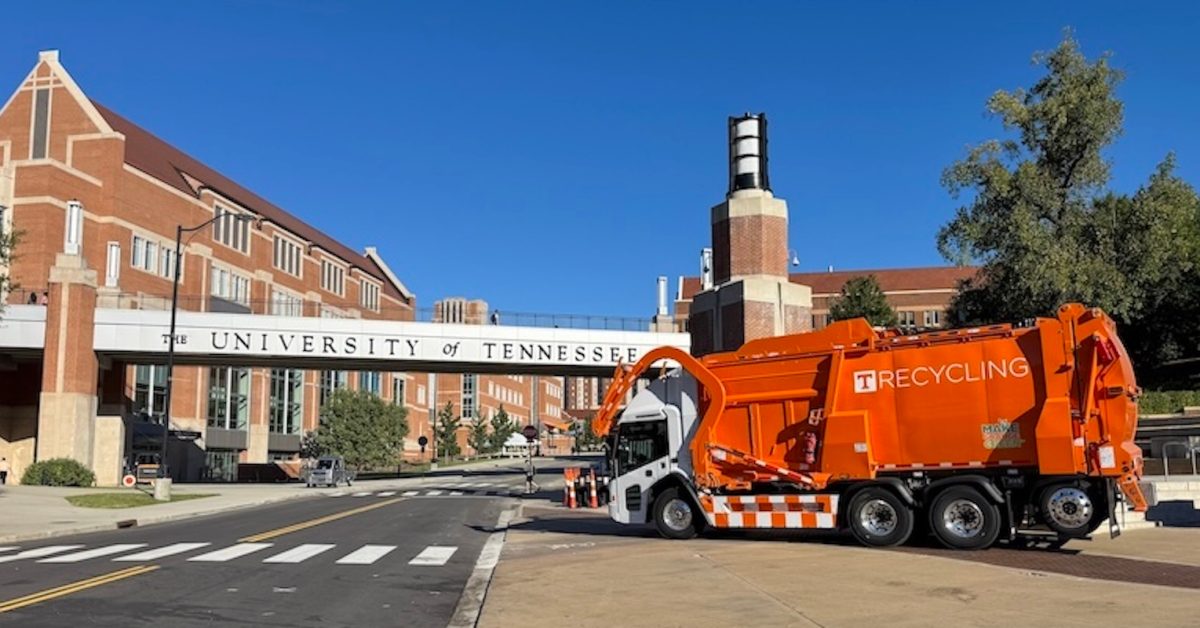
The University of Tennessee has rolled out a new zero-emission refuse vehicle at its Knoxville campus, putting a McNeilus Volterra ZFL electric garbage truck into service for daily waste and recycling collection. The move pairs one of the most punishing commercial use cases with battery-electric power, and it comes with a local twist: the truck itself was built in Tennessee.
Campus collection routes are, in many ways, tailor-made for electrification. Vehicles stop and start constantly, they crawl along at low speeds while carrying heavy loads, and they ply routes lined with students, staff, and traffic. Perhaps just as important, they run through areas where noise matters. The Volterra’s quiet drivetrain and regenerative braking make early-morning pickups near residence halls, libraries, and classrooms far less disruptive than a conventional diesel truck would be.
At the heart of the vehicle is a Class 8 electric refuse platform. The base configuration carries a 499 kWh battery pack, with a larger 665 kWh option offered for operations that need more range. Power is delivered through a high-torque e-axle, and McNeilus says the truck is engineered for a full day’s work on a single charge. Published specifications for the standard setup list up to 110 miles of route capability across a 10-hour shift, which comfortably covers recycling duty around the Knoxville campus.
The university’s decision also carries a regional manufacturing angle that both parties were quick to highlight. Lee Dreas, president of McNeilus Truck and Manufacturing, framed the deployment as a real-world integration of purpose-built electric collection vehicles, expressing particular pride that a truck assembled by Tennessee workers would serve a Tennessee institution. Brad Moats, recycling supervisor for the university’s Facilities Services Department, echoed that sentiment, noting the opportunity to support local manufacturing while embedding advanced electric technology into day-to-day campus operations. He added that the university plans to track the truck’s performance under actual working conditions and use those findings to shape the future of its fleet.
Refuse collection has become a quietly significant proving ground for heavy-duty electrification. Its predictable routes, centralized depots, and overnight downtime lend themselves to depot charging in ways that long-haul trucking often does not. Whether the Volterra’s real-world numbers match its published figures under the stop-and-go grind of campus collection will be closely watched — not just by Knoxville, but by fleet operators nationwide weighing similar conversions.
What do you think?