
Tesla Roadster Relaunch Overshadowed by Starlink Controversy and Political Spending
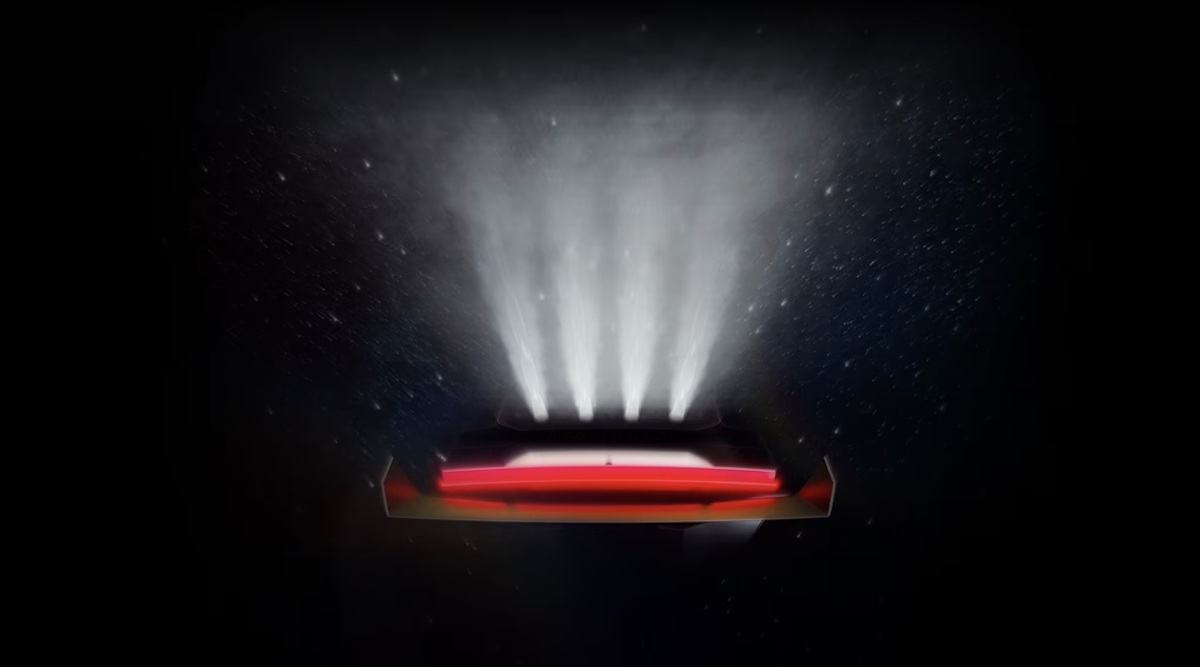
Tesla’s long-awaited second-generation Roadster, scheduled for an October 15 reveal at SpaceX’s Waco, Texas facility, was supposed to be Elon Musk’s triumphant return to the spotlight. Musk himself has teased the event as one of the ‘most exciting product unveils ever,’ fueling speculation that the electric supercar might even hover or fly, thanks to thrusters co-developed with SpaceX. The original October 1 date was postponed due to weather, which some observers took as a sign that the flying hype might be overblown. Still, Musk tempered expectations on the All-In podcast in mid-September: ‘It’ll be a banger. Excitement guaranteed. Success is not guaranteed, but excitement is.’
While automotive journalists focus on the Roadster’s potential capabilities, the broader media narrative has been hijacked by Musk’s other ventures. On October 8, Ukrainian President Volodymyr Zelensky appealed to the US for expanded military use of Starlink, a request supported by a bipartisan congressional delegation. Days later, reports emerged that SpaceX had restricted Ukraine’s access to the satellite internet service, severely hampering the country’s defense against Russian attacks. Musk deflected blame to President Donald Trump, but Poland—which pays roughly $50 million annually for Starlink service in Ukraine—was quick to condemn the move. Polish Foreign Minister Radoslaw Sikorski warned, ‘As your European customers, we are watching you,’ echoing a similar caution from March 2025. The incident has raised doubts about Starlink’s reliability as a defense partner, especially as Russia and China develop their own satellite networks.
Meanwhile, Musk’s political spending has reached unprecedented levels. According to The New York Times, the Tesla CEO has funneled more than $276 million into Republican groups and his super PAC since July, making him the largest known donor of the 2026 midterm cycle. This includes a $158 million contribution to the Senate Leadership Fund—one of the biggest political donations in US history. Overall, Musk has reportedly given $366 million to federal committees during the 2025–2026 cycle, surpassing the $290 million he spent supporting Trump’s 2024 re-election. Beyond the money, his America PAC has been accused of spreading misleading information to voters in Colorado and Washington State, prompting warnings from election officials. The PAC’s ‘VoteSafe.Org’ website, which presents itself as a nonpartisan voter resource, is reportedly a data collection tool for the PAC.
These controversies add to a growing list of public relations challenges for Musk. On October 12, The Washington Post detailed how former staffers from Musk’s DOGE budget-cutting office have leveraged their government experience to raise at least half a billion dollars for firms in cyberwarfare, AI, and data centers. While Tesla remains a dominant force in the global auto market, the steady stream of negative headlines surrounding its CEO could cast a shadow over the Roadster’s big night. Whether the flying car actually flies or not, the event is unlikely to escape the perfect storm of bad press that has enveloped Musk’s other endeavors.
What do you think?