
UK Weighs Tariffs on Chinese EVs to Secure EU Market Access
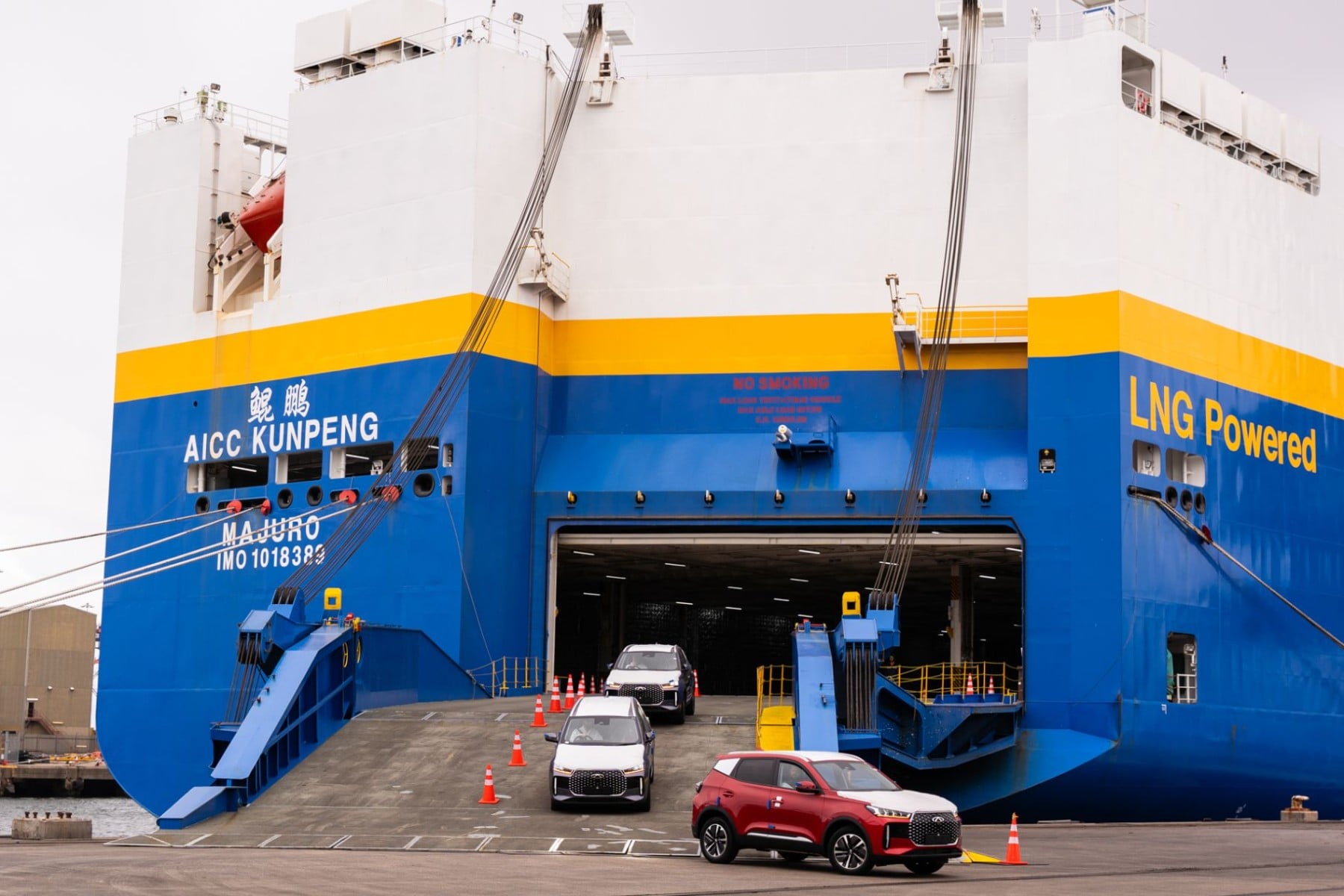
The British government is reportedly preparing a package of potential tariffs on electric vehicles imported from China, a move that could bring London’s trade posture closer to Brussels at a time when the EU is tightening its own defenses against subsidized imports.
According to reporting by The Times, Economic Secretary Jonathan Reynolds is developing the measures, with concern growing that Chinese manufacturers are flooding the UK market with subsidized vehicles at dumping prices. Yet no new duties have actually been imposed so far. A government spokesperson told Reuters that officials “continue to engage closely with industry” to make sure any approach reflects both the sector’s needs and the country’s broader national interest.
The political backdrop is the European Union’s emerging Industrial Accelerator Act, which aims to steer funding programmes and public procurement toward goods made within Europe. The plan leans heavily on local-content rules and labels such as “Made in Europe.” For Brussels, the logic is straightforward: anti-subsidy duties on Chinese battery-electric cars have been in place since late October 2024, ranging from 7.8 to 35.3 per cent depending on the manufacturer, on top of a standard 10 per cent import levy. If the UK wants to be treated as a partner rather than an outsider under the new framework, aligning its own tariff regime with the EU’s is seen as the most viable path.
That alignment matters enormously to British carmakers. The UK left the EU, but its automotive sector remains deeply woven into European supply chains. The industry body SMMT has just published an analysis by Oxford Economics showing that UK car production underpins €24 billion in economic activity, 250,000 jobs and €1.6 billion in annual tax revenues across the EU. Both lawmakers and manufacturers therefore argue that the UK should be written into the Industrial Accelerator Act as a partner country, so that British firms are treated as suppliers on equal footing with EU-based companies. Prime Minister Andy Burnham said in September that he would push for the UK to be recognized as a “trusted partner” under the planned rules, preserving full access to the European market. Just days ago, the Financial Times reported that the EU is pressing the UK to raise tariffs on Chinese EVs precisely to qualify for that partnership.
Meanwhile, Chinese brands already account for roughly 16 per cent of new car registrations in the UK across all powertrain types, a figure that has sharpened the debate in Westminster. The question now is whether London will move first on tariffs, or wait to see how far the EU’s Made in Europe criteria evolve before committing to a policy that could reshape the UK’s electric vehicle market.
What do you think?