
Electrified Vehicles Near 52% Share of Turkish Auto Market
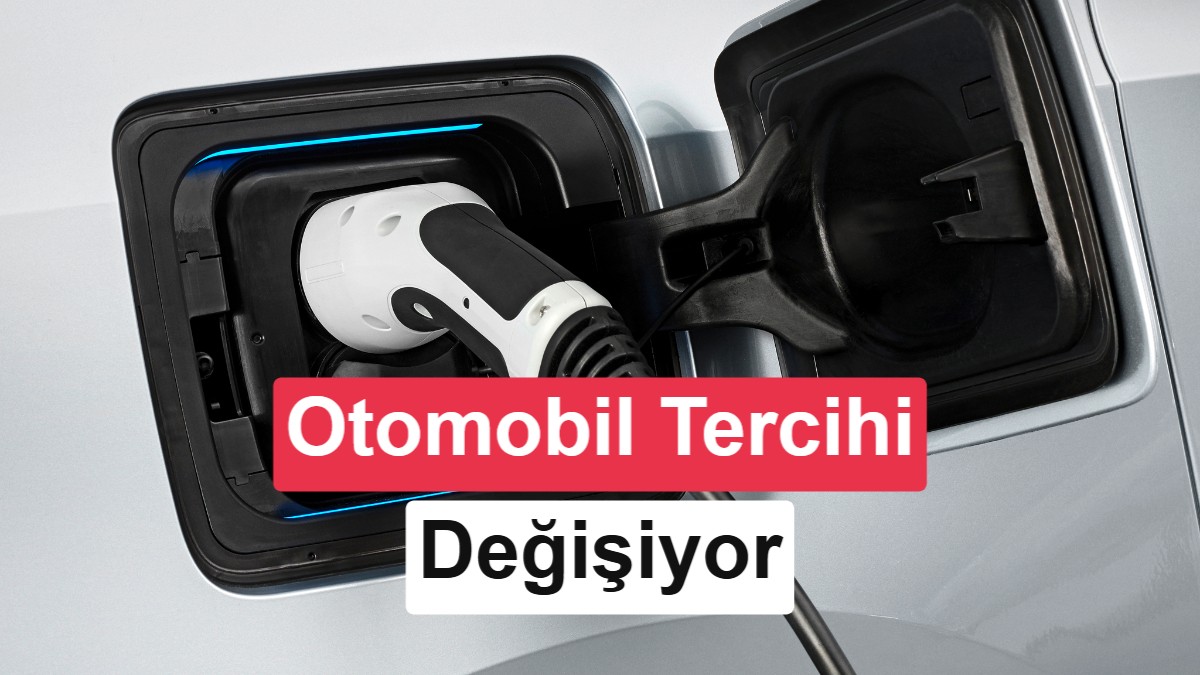
Turkey’s automotive market is undergoing a rapid transformation, with electrified vehicles — battery-electric and hybrid models combined — now accounting for close to 52% of sales. The milestone reflects how quickly consumer preferences have shifted in a market that, until recently, was dominated by conventional gasoline and diesel cars.
The surge is driven by a mix of factors. A growing lineup of affordable hybrid and fully electric models has reached Turkish showrooms, giving buyers more choice than ever before. At the same time, fuel costs and tax structures that favor lower-emission vehicles have made electrified options more attractive on a total-cost-of-use basis. Domestic production has also played a role, with locally built electric models helping to normalize EV ownership for mainstream buyers.
The near-52% figure is significant because it marks the point at which electrified vehicles are no longer a niche segment but a mainstream choice. Hybrids in particular have served as a bridge for drivers who are not yet ready to commit to a fully electric vehicle, offering fuel savings without the need for charging infrastructure. Battery-electric models, meanwhile, continue to gain ground as charging networks expand across major cities and along intercity routes.
For automakers, the shift carries strategic weight. Brands that were slow to bring hybrids or EVs to Turkey risk losing share to competitors that moved earlier. The trend also has implications for the broader industry ecosystem — from charging operators and battery suppliers to dealers retraining their sales staffs around electric drivetrains.
Whether the electrified share keeps climbing at the same pace will depend on several variables: the pace of charging infrastructure investment, the durability of government incentives, and how quickly new, more affordable models arrive. What is clear is that Turkey’s car market has crossed a threshold, and the balance between combustion and electrification has shifted for good.
What do you think?