
UK Mulls Chinese EV Tariffs to Preserve Place in EU's 'Made in Europe' Framework
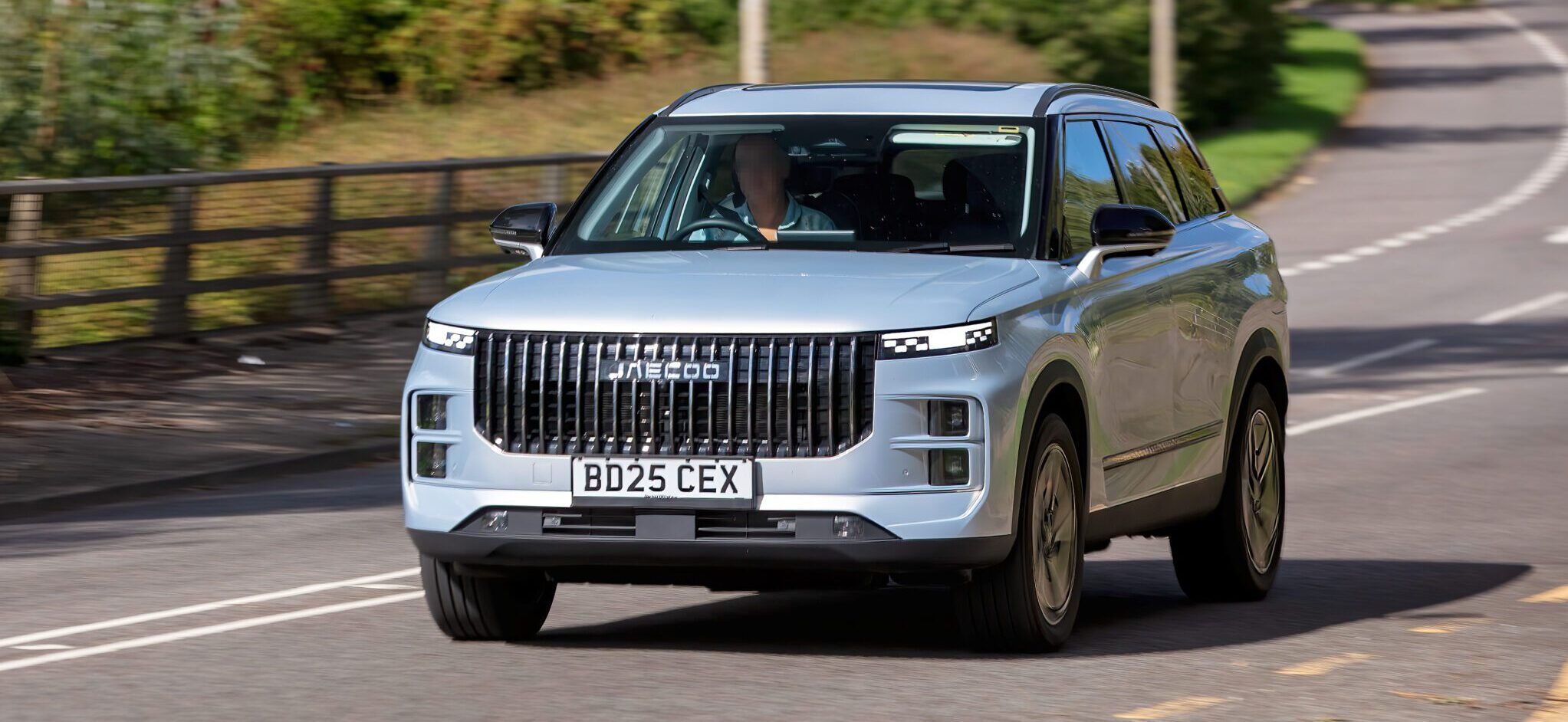
London is reportedly preparing to slap duties on electric vehicles built in China, a move intended to keep Britain’s automotive sector plugged into Brussels’ emerging Made in Europe regime. According to The Times, the UK government has kept its cards close, saying only that tariffs remain “under review.” The timing is delicate: Chinese brands accounted for 23% of UK new car sales in September, and any levy drawn up to mirror the EU’s would cover EVs while leaving the hybrids driving much of that surge untouched.
The EU has already gone further, charging duties of up to 45% on Chinese-made EVs since October 2024, and is now negotiating its planned Industrial Accelerator Act. That legislation, with local-content rules reminiscent of the USMCA, could confine subsidies to vehicles assembled inside the bloc — shutting out UK plants operated by Jaguar Land Rover and Nissan. Brussels worries that Britain, like Hungary or Turkey, might otherwise serve as a backdoor into the European market. UK officials, for their part, reportedly fear Chinese retaliation against JLR, yet have concluded that exclusion from Made in Europe would hurt far more.
Mike Hawes, Chief Executive of the UK’s Society of Motor Manufacturers and Traders, framed the stakes bluntly: a pragmatic agreement recognising the UK as a trusted ‘Made in Europe’ partner is the immediate priority, since shutting out UK-built vehicles would damage both deeply integrated industries and jeopardise an €80bn trading relationship.
Chinese marques have grown briskly in the UK’s tariff-free space. Chery’s Jaecoo badge has been a standout — the Jaecoo 7, priced from roughly £30,000 (about US$39,725) and nicknamed the ‘Temu Range Rover’, has topped the UK new car charts in several months of 2026, with Jaecoo alone moving 58,000 units this year. BYD nearly doubled its September share to 5.75%, taking year-to-date sales to 68,000 against BMW’s 91,000, while Leapmotor jumped 765% to over 13,000. Much of that momentum, however, rides on combustion and plug-in hybrid powertrains — precisely the segment an EV-only tariff would miss. Copying the EU’s scope would also copy its loophole, leaving China’s best-selling UK model unscathed.
The more durable answer may be local assembly. Brussels treats Chinese firms that manufacture in Europe more leniently, so BYD’s Hungarian plant sidesteps import duties. Nissan’s Europe Chair, Massimiliano Messina, has warned against a “Trojan horse” flooding the market, yet Nissan is simultaneously in talks to build Chery vehicles at Sunderland — an arrangement that would still satisfy Made in Europe rules. The UK’s decision is less about shielding its home market than about keeping its factories inside Europe’s, and tariffs are likely to reshape how Chinese brands serve Britain rather than whether they do. As Victor Zhang, UK Managing Director of Jaecoo and Omoda, put it: “Tariffs come and go but it won’t change our investment in the UK. We are here to stay.”
What do you think?