
Toyota Refutes Claims of China Price Cuts and Market Exit
Toyota’s Chinese joint venture FAW Toyota has publicly rejected online speculation that it plans to slash prices or withdraw from the Chinese market, pushing back against a wave of unverified claims that followed a major ownership shake-up at the company.
The rumors emerged after GAC Group revealed on September 28 that it intends to acquire a 50% stake in FAW Toyota, with new A-shares priced at 5.75 yuan each. FAW Group, once the deal closes, would become GAC’s second-largest shareholder, though the arrangement still depends on completion of an audit and valuation process. FAW Toyota was originally formed in 2000 as an equal partnership between FAW Group and Toyota, operating under the name Tianjin FAW Toyota Motor Co. until 2003. Under the proposed restructuring, GAC would absorb FAW’s half, leaving Toyota holding the remaining 50%, with GAC confirming that control of the venture would not change hands. Analysts widely interpreted the move as Toyota’s attempt to revive sluggish sales and simplify operations in China.
In the days that followed, several outlets ran stories suggesting FAW Toyota was preparing to exit China entirely and was cutting prices to clear inventory. FAW Toyota fired back with a statement on Monday night, saying it reserves the right to take legal action against what it called false statements spreading on certain online platforms. The company specifically named the claims that it ‘may completely exit the market’ and that ‘Toyota is slashing prices’ as inaccurate. It also confirmed that production, sales, and planned updates for all of its models are on track.
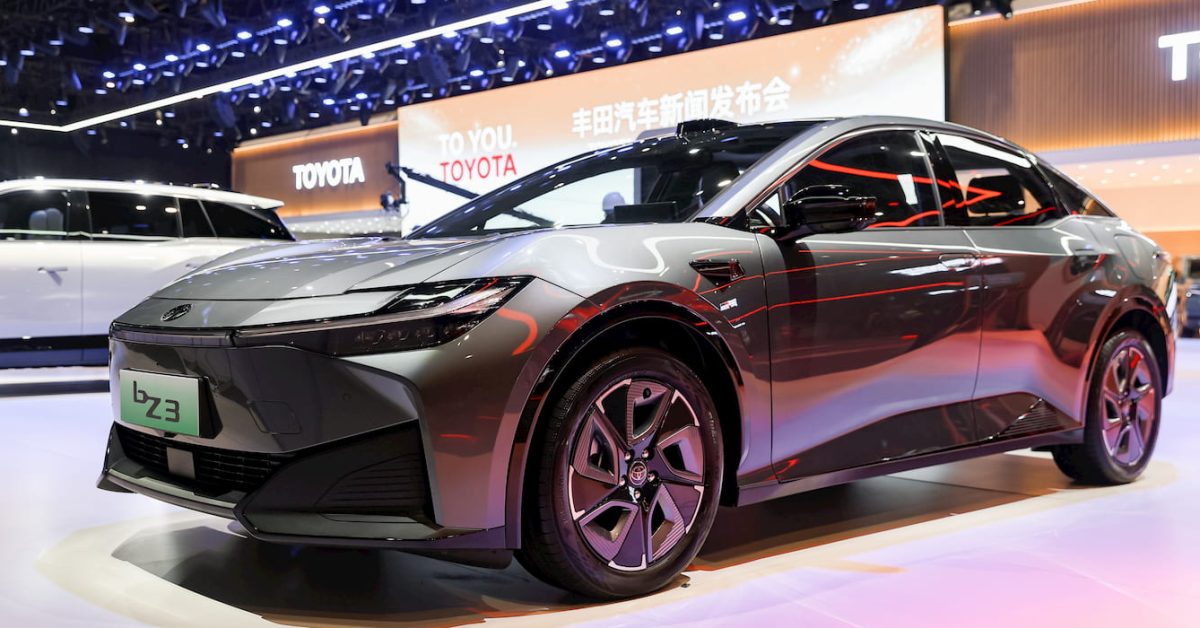
Looking ahead, FAW Toyota said it will tap into the broader resources and technology of its parent group for future vehicles. The joint venture, through FAW Toyota and GAC Toyota, builds and sells a range of models in China, from the long-running Corolla, RAV4, and Avalon to newer electric offerings such as the bZ3 and bZ5.
The stakes are high for Toyota in China. Its sales in the country dropped 22.8% in August, the seventh consecutive month of decline, as demand for gasoline and hybrid models weakened amid rising fuel costs. Those trends add context to why the restructuring is being watched closely by the industry.
What do you think?