
Fuel Crunch Pushes Russia Past The U.S. In Plug-In Car Share
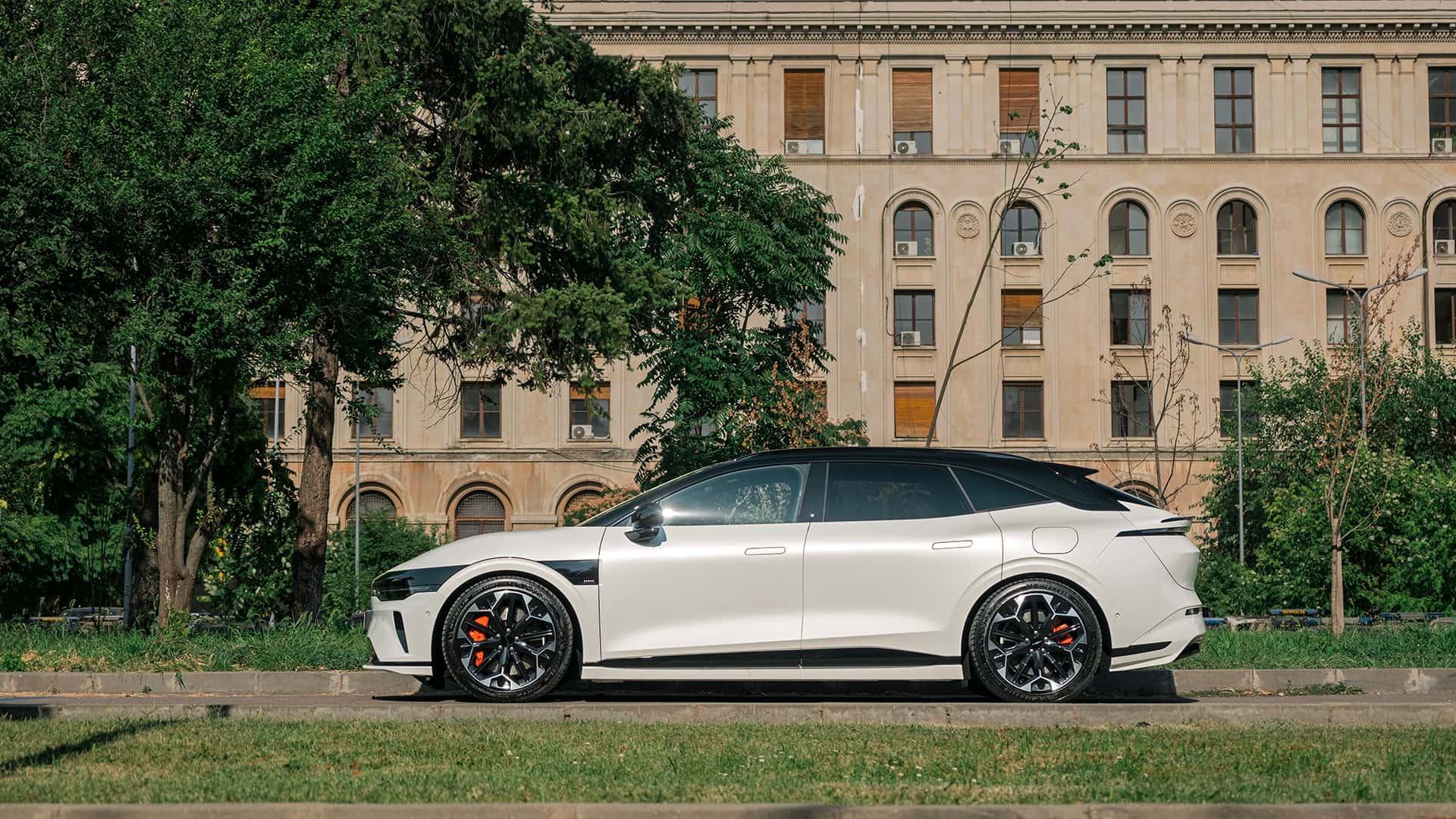
Russia is not the first country that comes to mind when thinking about electric mobility. Vast oil reserves, sprawling distances, patchy charging networks and brutal winters all work against battery-powered cars there. Yet the country has just edged ahead of the United States in the share of new cars that plug in, according to research from the Russian analytics firm Autostat.
The reason is not climate policy. It is a fuel crisis. Ukrainian strikes on Russian refineries have squeezed gasoline supplies, leaving drivers queuing for hours or hunting across multiple stations for a working pump. Autostat’s data, reported by The New York Times, shows battery-electric and plug-in hybrid models climbing to 11.5% of Russia’s new-car market by the end of September, roughly double the roughly 5% recorded at the start of the year. That combined figure is marginally above the equivalent U.S. number — though it merges PHEVs with pure EVs, so it does not prove Russia has overtaken America in battery-only sales.
The personal stories behind the statistic are striking. Autostat chief Sergei Tselikov described visiting five nearby filling stations without finding fuel before buying a GWM Ora 03 GT electric hatchback in July, noting that the model’s price jumped by about 23,500 to $35,300. Most of these cars arrive from China.
America’s picture looks very different. Federal EV incentives expired on September 30, 2025, triggering a rush followed by a sharp drop, and the market has only recently shown signs of finding its footing. Cox Automotive puts August U.S. battery-electric sales at 78,895 units, or 5.7% of the market — down 46.9% year over year against an unusually strong comparison. Energy Information Administration figures, drawing on Omdia, put BEVs at 6% of new light-duty sales in the second quarter with PHEVs adding 1.4%, while conventional hybrids reached 16%.
Europe and China remain in a different league. ACEA data shows 1.64 million BEV registrations across the EU from January to August, a 21.7% share, with another 758,082 PHEVs lifting the combined plug-in total to 31.7% — helped by wider model choice, lower prices and expensive fuel. China dwarfed everyone: CPCA figures for August show 698,000 BEVs and 307,000 plug-in hybrids, including range extenders, together taking more than 65% of the passenger car market. The comparisons are imperfect, but the broader message is hard to miss as pump prices rise and electrified options multiply.
What do you think?