
Toyota Opens Battery Development Hub in Saline, Michigan
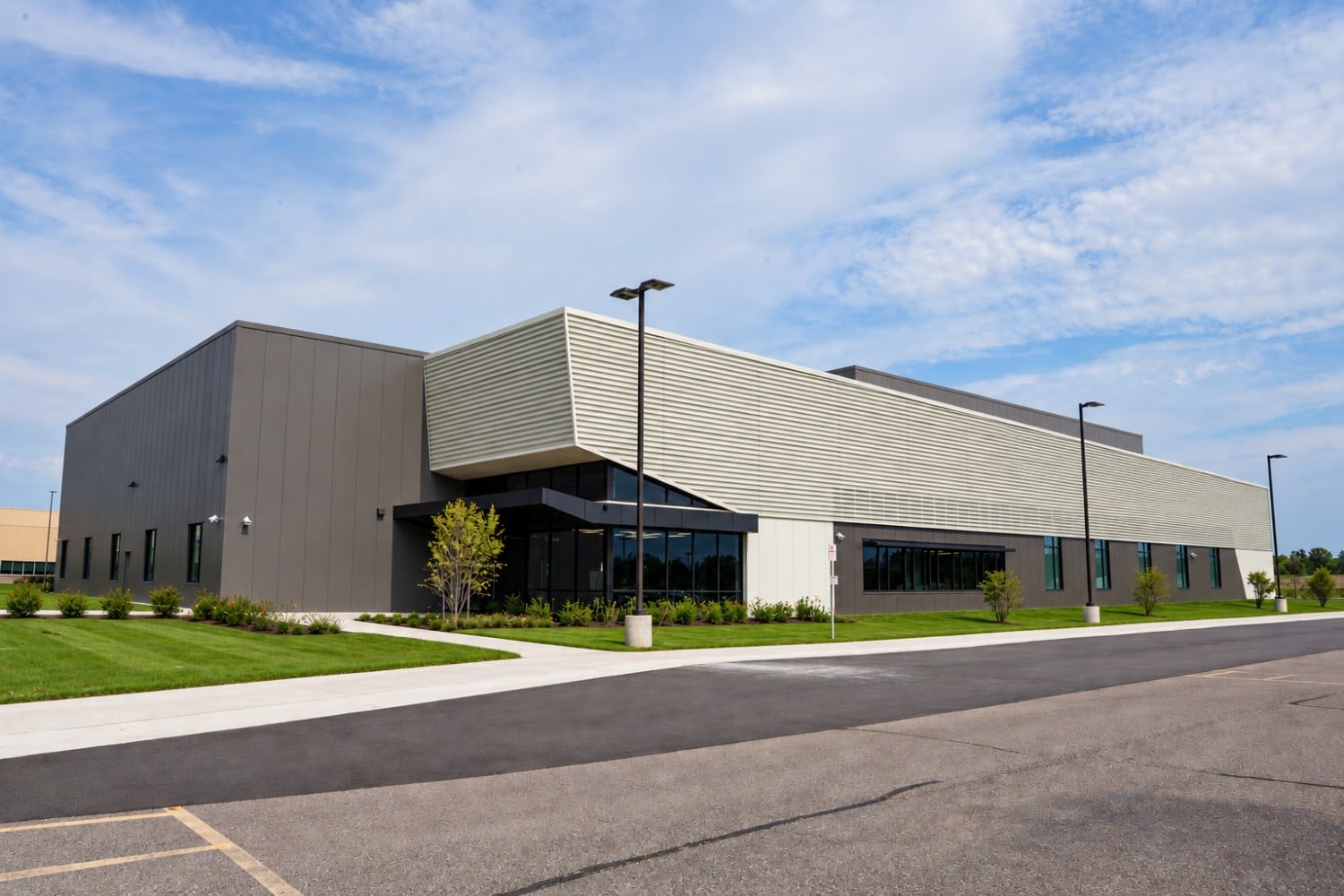
Toyota’s North American operations have gained a new battery evaluation and development site in Saline, Michigan, a facility the automaker is branding as a central hub for its regional battery work. The roughly 2,800-square-metre building gives Michigan-based engineering teams room to assess and refine battery technology at a larger scale than before.
The scope of the work is deliberately broad. Toyota says the centre will follow battery development from the sourcing of raw materials all the way through to customer-facing applications and end-of-life recycling, covering every major chemistry the company works with. That range reflects the automaker’s “Multi-Path Strategy,” under which it continues to sell conventional hybrids, plug-in hybrids, hydrogen fuel cell vehicles and battery-electric models rather than betting on a single powertrain. Each of those categories needs batteries, and the Saline site will evaluate cells for all of them in parallel.
The new development centre sits alongside Toyota’s growing North American manufacturing footprint. The company’s battery plant in North Carolina, near the town of Liberty, began operating in 2025 and was the first such facility Toyota built outside Japan. It is also the twelfth manufacturing site the Japanese giant has established in the United States, with an investment of around 14 billion euros that is expected to create some 5,100 jobs. The Michigan centre is intended to support that production network rather than replace any part of it.
Company executives framed the facility as a way to shorten the distance between engineering and real-world problems. Jordan Choby, Group Vice President of Powertrain, said the site should let Toyota engineers identify and address field issues faster and closer to their source, while also supporting the development of batteries built to last under the driving conditions American customers encounter daily. Keita Moritsu, Senior Vice President and Chief Technology Officer at Toyota Motor North America R&D, described the centre as the point where Toyota’s long-standing battery expertise extends into North America.
Toyota is not keeping the facility entirely in-house. It plans to open it to outside partners and is working with the University of Michigan’s Electric Vehicle Center, where it is a founding member. Through that relationship, the automaker aims to help train the next generation of battery engineers and technicians in the state — a workforce pipeline that will matter as EV and hybrid production expands across the region.
What do you think?