
LG Energy Solution Courts US Commercial EV Startup indiGOtech for 46-Series Battery Deal
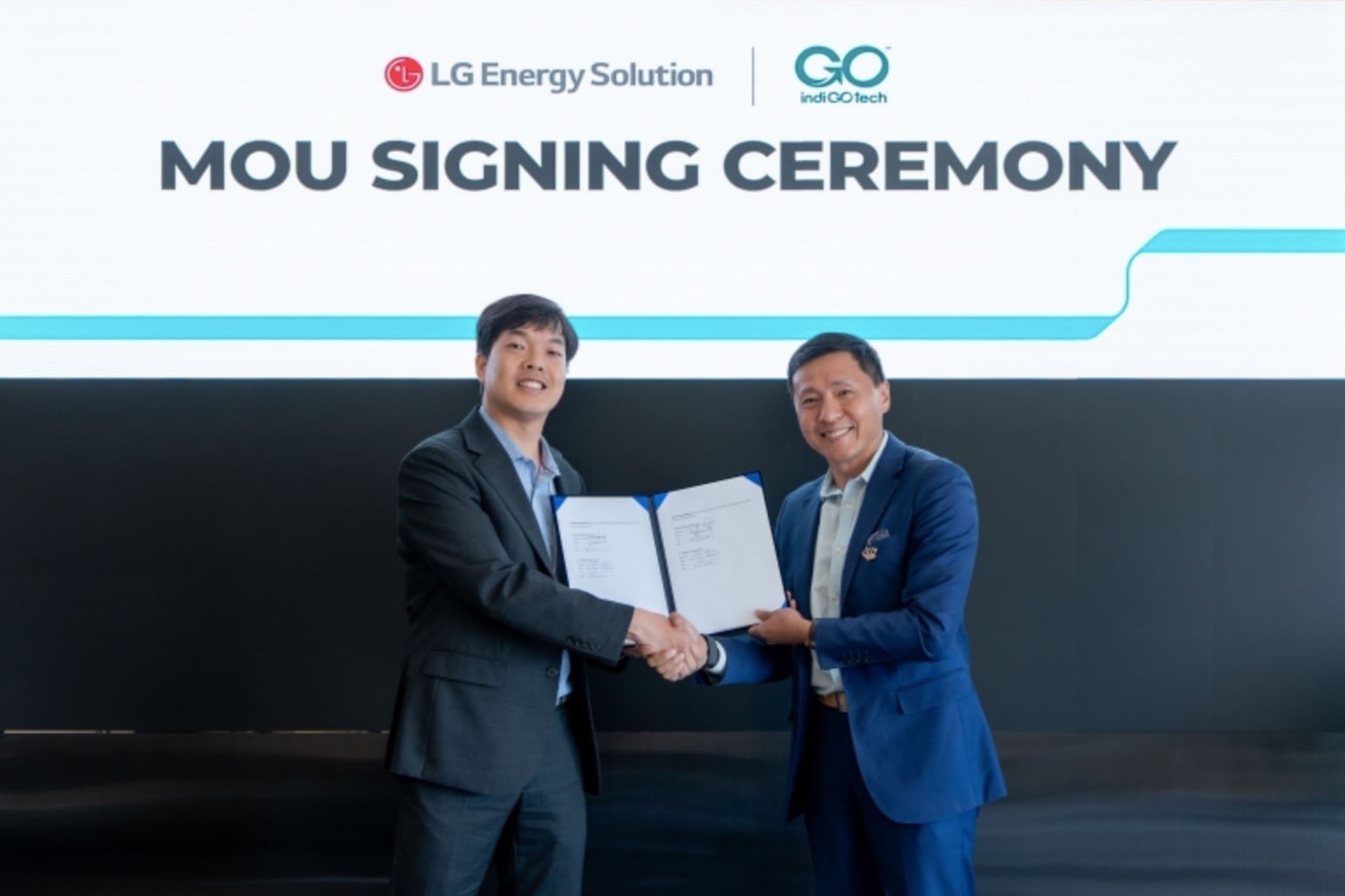
LG Energy Solution has moved a step closer to adding another North American customer for its cylindrical battery line, disclosing a preliminary cooperation framework with indiGOtech, a Massachusetts-based startup focused on commercial electric vans. The arrangement is not yet a binding supply contract; both sides describe it as a memorandum of understanding that would need to be converted into a definitive agreement before any cells change hands.
At the centre of the potential deal are LGES’s 46-series cylindrical NCM cells, which the Korean manufacturer promotes for their high energy density and fast-charging behaviour. If the talks conclude successfully, those cells would be fitted to indiGOtech’s planned “Flow Ride” and “Flow Cargo” vehicles under a supply window spanning 2027 through 2030. The startup, headquartered in Woburn, Massachusetts, is assembling a business that stitches vehicles together with charging hardware and digital services rather than selling vans alone.
The two companies have also sketched out areas for joint business development, including work on integrating battery packs into vehicle platforms and verifying real-world performance. According to LG’s statement, they will examine ways to stretch driving range and shorten charging stops — the two variables that most often determine whether commercial fleets can switch away from combustion power.
indiGOtech’s Chairman and CEO, Will Graylin, framed the partnership as a response to a structural gap in the market. Urban ride-hailing and parcel delivery need to electrify and automate at scale, he argued, yet today’s electric vehicles are not built for the job and remain constrained by sparse local charging infrastructure — which is why the overwhelming majority of rides and deliveries are still handled by petrol and diesel vehicles. A longer-term relationship with LG Energy Solution, he said, would bring advanced battery technology together with durable economic benefits for vehicles, drivers and fleet operators.
For LG Energy Solution, the pending agreement represents another avenue into North America’s commercial vehicle segment, a market the company says it intends to serve more broadly across logistics, last-mile delivery and ride-hailing. Sunghwan Oh, who leads the company’s Mobility & IT Battery Marketing Group, said the collaboration would lean on the 46-series NCM platform to support indiGOtech’s Transportation-as-a-Service ecosystem in the United States. The supplier also noted that its cylindrical battery shipments had grown 1.5-fold year on year as of the second quarter, crediting stable mass production and wider deliveries of the 46-series format. Whether the memorandum becomes a firm order book will depend on the outcome of the coming negotiations.
What do you think?