
Who Really Profits From the EV Boom? A Battery Researcher Maps the Supplier Web Behind Europe's Electric Cars
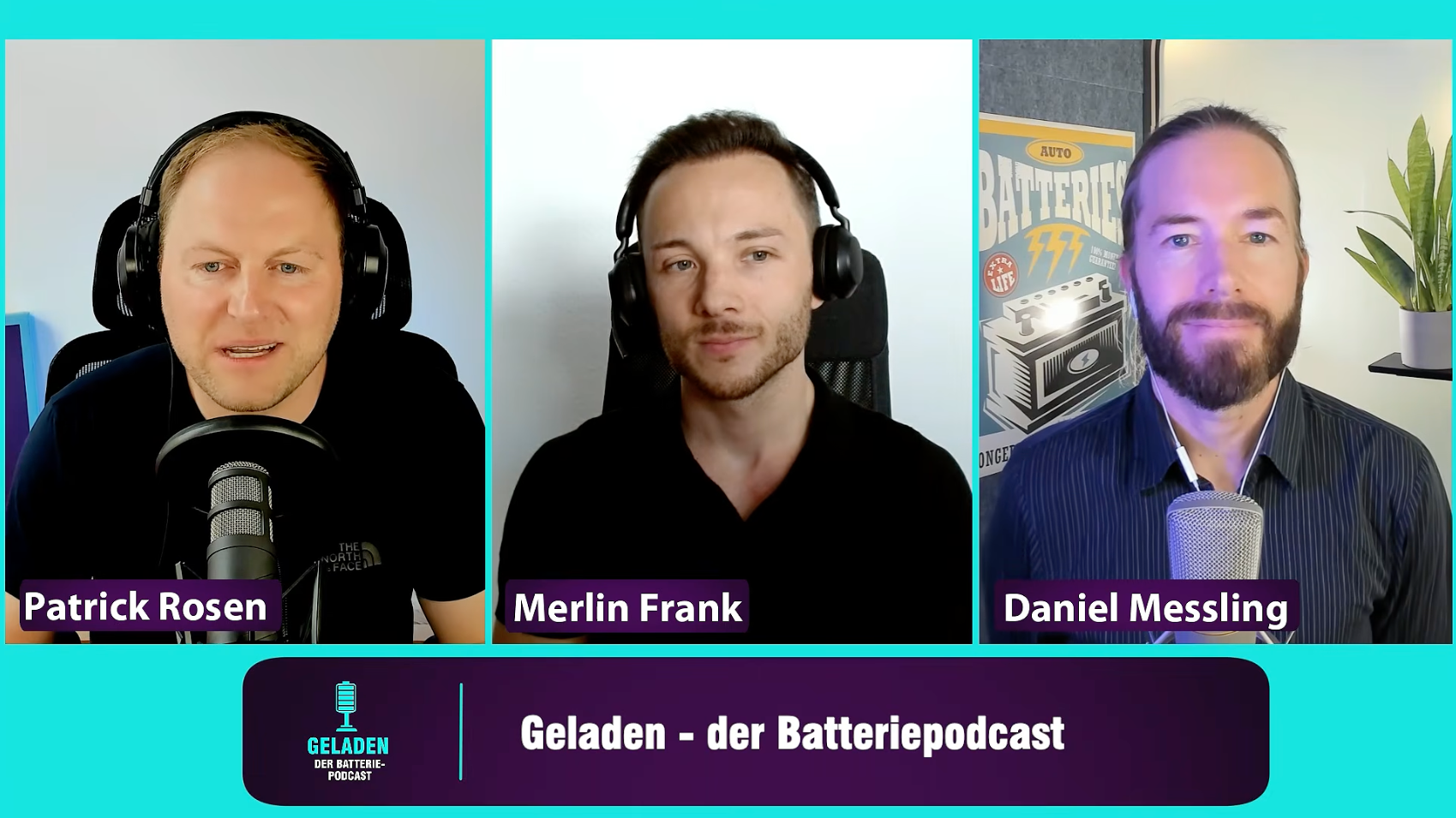
Europe’s electric car market keeps expanding, but the logos on the grille tell only part of the story. Behind a growing number of distinct brands, the same battery suppliers often sit — and that overlap is the focus of a new discussion featuring Merlin Frank, a doctoral battery researcher at PEM at RWTH Aachen, who joined the Geladen podcast to unpack who captures the value as electromobility scales.
At the center of the conversation is the relationship between automakers and their cell suppliers, with Chinese cell manufacturer CATL standing out as a key reference point. Frank draws on a PEM market analysis that links European new-registration data with information on vehicles, battery systems and cell suppliers, turning registration statistics into a map of dependencies. The exercise raises a pointed question for Europe’s auto industry: if multiple brands draw on the same cell makers, where exactly do dependencies form, and which slices of the value chain remain in the hands of the vehicle manufacturers themselves?
The discussion also steps back to ask what battery progress actually means for everyday driving. More range, lower costs and other technical characteristics all compete for attention, and Frank weighs which advances translate into tangible benefits for drivers rather than remaining laboratory milestones. That framing matters for an industry where marketing claims and engineering reality do not always move at the same pace.
Beyond the podcast, Frank is building out his own channel for explaining battery science. Under the banner “Spannungsfeld,” supported by Battery-News, he takes on the connections between batteries, electromobility and the circular economy, with the stated aim of placing technologies in context and showing both their possibilities and their limits. For listeners and readers trying to follow Europe’s battery supply chain, the through-line is a simple one: the electric transition is not only a race between car brands, but a contest over who controls the cells underneath them.
What do you think?