
Toyota Defies Slowing EV Market as New Electric Lineup Fuels Sales Growth
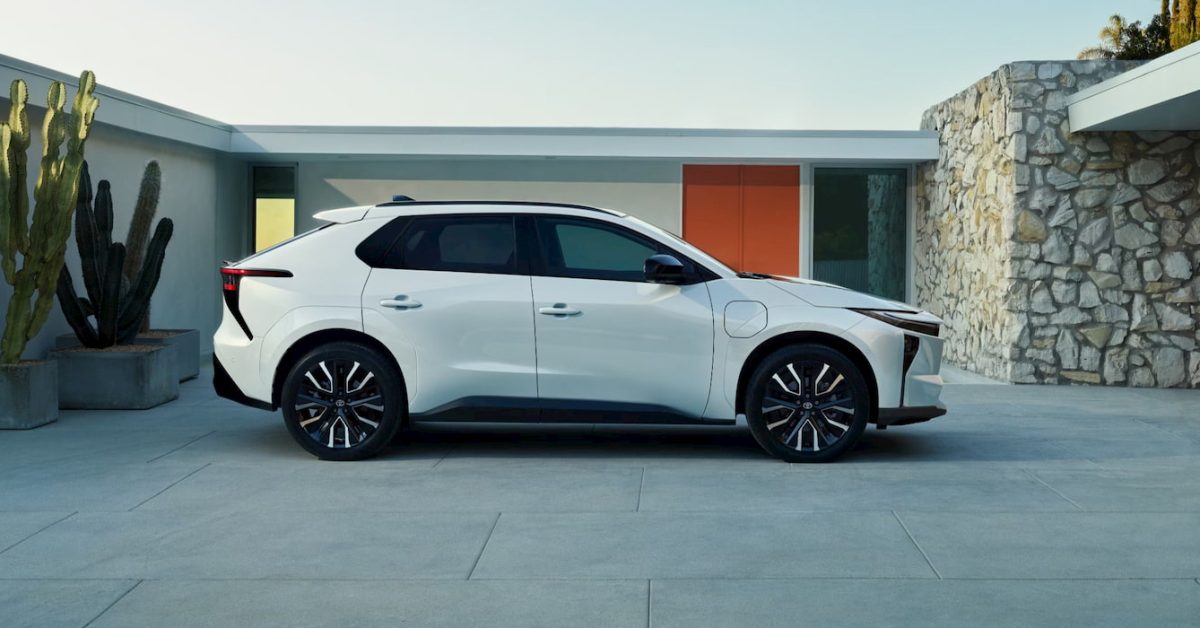
While several automakers are reporting softer electric vehicle demand, Toyota is moving in the opposite direction. The Japanese giant’s growing family of battery-electric models helped push its US sales slightly higher in the third quarter of 2026, with electrified vehicles now making up the majority of its volume.
Toyota Motor North America, which includes Lexus, delivered 633,233 vehicles in the quarter, a modest 0.6% improvement over the same period a year earlier. That result stands out against rival GM, which saw its quarterly sales fall 6% and pointed to a shrinking EV market and discontinued models as the cause. GM’s volume-leading electric model, the Chevy Equinox EV, cratered to just 1,905 units, a fraction of the more than 25,000 it moved a year ago.
Toyota’s electric momentum is led by the bZ, the updated SUV that dropped the old bZ4X nameplate. Through September the bZ has found close to 25,000 US buyers, and it ranked fourth among all EVs in the country during the first half of 2026, trailing two Tesla models and Hyundai’s IONIQ 5. Toyota now fields three fully electric SUVs stateside — the bZ, the C-HR, and the bZ Woodland — while Lexus adds the RZ and the newly introduced ES EV, which is offered in both electric and hybrid form. The bZ starts around $35,000, placing it among the more affordable electric options on the market.
The brand’s electrified mix, spanning EVs, plug-in hybrids, and conventional hybrids, accounted for 57.4% of total third-quarter sales. Toyota also deepened its electric commitment on the manufacturing side, opening a 30,000-square-foot Battery Center of North America in Saline, Michigan, where engineers will develop and refine batteries for its next-generation vehicles. Looking ahead, Lexus plans to launch its first three-row electric SUV, the 2027 TZ, later this year, with a Toyota Highlander BEV to follow in 2027.
What do you think?