
The $7,500 EV Tax Credit Might Return—But the Math Isn't That Simple
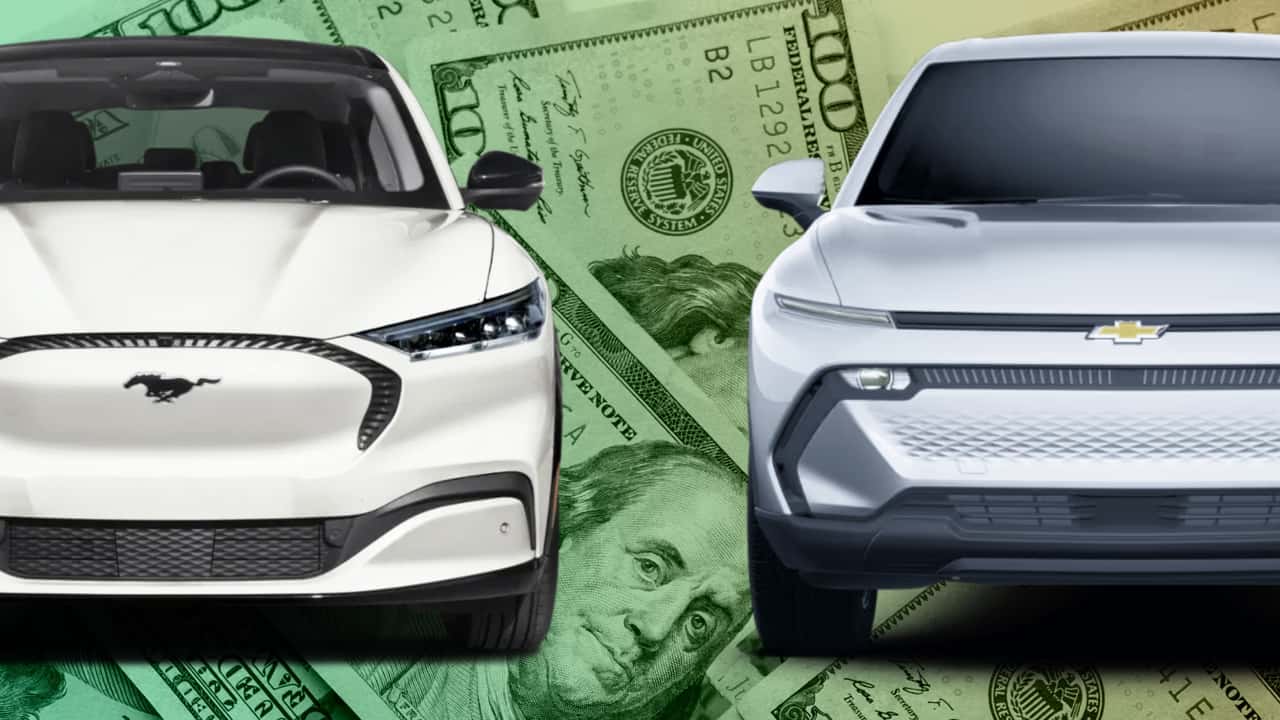
A group of Democratic lawmakers wants to put the $7,500 federal EV tax credit back on the books. Whether they can actually pull it off is another question entirely.
More than 160 House Democrats have signed on to the Cheap Energy Act, a bill from Reps. Mike Levin (California) and Sean Casten (Illinois) that would resurrect the clean energy credits stripped out last year. The proposal targets the Inflation Reduction Act’s tax incentives—EVs included—and would also fund grid upgrades without sticking ordinary ratepayers with the bill for infrastructure that AI data centers need.
So the policy exists, at least on paper. The politics are messier.
A Credit That Lost Its Shine
EV incentives have become awkward territory for Democrats after years of Republican attacks. President Trump has taken repeated shots at electric cars, once claiming they “don’t go far” and “cost a fortune.” His tone shifted somewhat after Tesla CEO Elon Musk bankrolled his 2024 campaign, but clean energy policy has stayed in the crosshairs.
Meanwhile, gas-powered cars are having a moment in the U.S. while Europe, China and much of the developing world keep accelerating toward electrification.
The perception problem runs deeper than Washington. Politico reports that voters may now link the credit to wealthy coastal buyers who never needed the help. And EV interest has cooled across the board—a Pew Research Center survey from April found Americans leaning toward hybrids, with EV enthusiasm down sharply from 2022 levels even among Democrats.
The Real Roadblock Is Inside the Party
The tougher obstacle may be Democratic infighting rather than Republican opposition. Senate Minority Leader Chuck Schumer made a case for reviving clean energy credits at a Washington gala—but pointedly skipped EVs in his remarks. Michigan Sen. Elissa Slotkin has taken a similar hedge, saying she wants “all of the energy” rather than picking winners.
Reality check: The credit carried income caps and was built for low- and middle-income buyers—not the ultra-wealthy. It helped push U.S. EV sales to a record 1.3 million units in 2024.
Even a Democratic sweep in November wouldn’t be enough. Restoring the credit needs a bill through both chambers and a presidential signature. A veto would require two-thirds majorities to override—meaning substantial Republican support that looks unlikely in the current climate.
What’s Actually at Stake
Strip away the rhetoric and the credit’s track record is concrete. It helped seed a domestic battery manufacturing base aimed at cutting dependence on China, with much of that investment landing in Republican-run states like Georgia and South Carolina. Local economies and thousands of jobs came with it.
- Sales impact: 1.3 million new EVs sold in the U.S. in 2024
- Charging buildout: More than 80,000 public fast-charging ports as of Q3
- Range gains: Many new EVs now clear 400 miles on a charge
The cars themselves have also moved on. Software, refinement, efficiency and running costs now favor EVs by a wide margin over combustion models. But technology alone won’t carry the market—policy will decide how fast the U.S. keeps pace, or whether the industry stays hostage to election cycles while rivals pull ahead.
Source: InsideEVs
What do you think?