
ICCT Study: Weakening EU CO₂ Rules Could Cost Up to 185,000 Auto Jobs
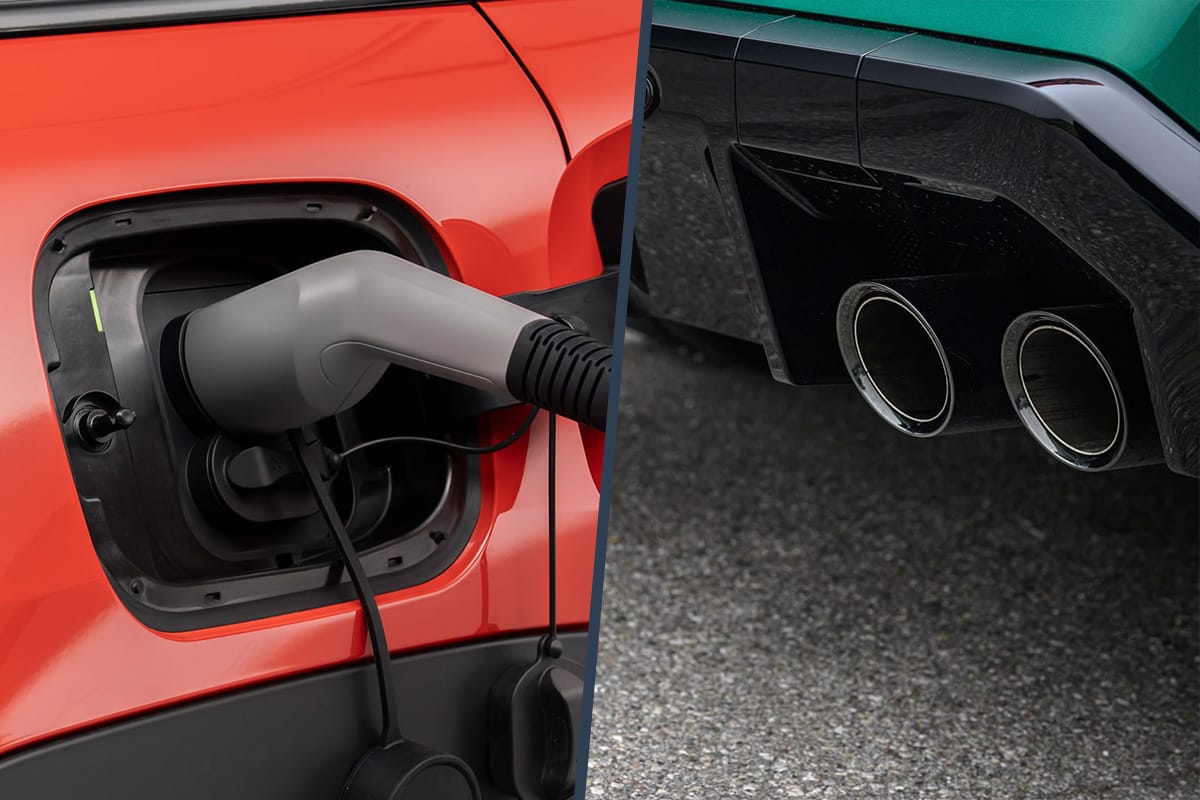
Brussels is inching toward loosening its CO₂ fleet limits for passenger cars, and a new ICCT study argues that move would backfire on the very workers it is meant to protect. The analysis puts the potential damage at up to 185,000 jobs lost across Europe’s auto industry by 2035.
The 58-page report, titled “Powering jobs: employment under the EU’s passenger car CO₂ standards,” models three different regulatory paths and compares what each means for employment. Its conclusion runs against the prevailing political mood in several European capitals.
What the three scenarios show
The ICCT team built its forecast around three cases:
- Current standards: the existing rules stay in place, effectively ending new ICE car sales in 2035.
- Policy measures: the standards hold, but Brussels adds industrial support such as local content rules or targeted production incentives.
- Delayed standards: implementation slips by five years, slowing the shift to electric models.
Until 2030, the employment gap between these paths stays fairly narrow. The picture sharpens after that. Holding the current rules would leave employment in 2035 roughly two percent under 2025 levels.
Add industrial measures on top, and net employment could climb by about ten percent — some 320,000 extra jobs.
Delay the standards, and the numbers flip. Employment could fall as much as six percent below the 2025 baseline, which the authors translate into those 185,000 lost positions.
“Weakening the CO₂ standards is being presented as a way to protect jobs, but our analysis shows the opposite.” — Sandra Wappelhorst, lead author, ICCT
Where the jobs actually shift
Weakening the targets might slow layoffs in combustion engine production for a while. But according to the study, it would also stall hiring in EV assembly, battery manufacturing, recycling and charging infrastructure. The net effect, the authors say, is negative.
Passenger car production accounts for the biggest slice of the divergence between scenarios. Battery production, recycling and the build-out of charging networks grow more important as the timeline stretches out.
The study also notes that gains in those newer fields can offset losses tied to ICE vehicles — depending on which path Europe takes.
The politics behind the study
Current EU rules require a fleet average of 93.6 g CO₂/km for 2025–2027, a 15 percent cut against the 2021 baseline. That tightens to a 55 percent reduction by 2030 and a full 100 percent by 2035.
At the end of 2025, the European Commission’s draft “Auto Package” proposed softening that framework. Several parliamentary committees have since leaned the same way. A majority of MEPs reportedly favour a 95 percent reduction target by 2035, with an extra 7.5-point allowance for manufacturers using lower-carbon European steel. That proposal still has committee stages to clear.
Industry groups, for their part, have argued the opposite of the ICCT: that the strict 2035 target is itself the jobs risk.
Peter Mock, Director of ICCT Europe, framed the choice differently. Keeping the standards, he said, positions European manufacturers at the front of the EV market — while holding onto combustion technology does workers no favours over the long run.
What the study leaves out
The ICCT is upfront about its scope. The authors deliberately isolated CO₂ legislation as the variable and excluded automation, digitalisation, geopolitical shifts and wider economic trends. Workforce reskilling needs were not assessed either.
The five-year delay is described as a “simplifying assumption,” since real-world relaxation could take several forms.
In short: this is a narrow look at one lever. But it is the lever currently under debate in Brussels.
Source: electrive.com
What do you think?